
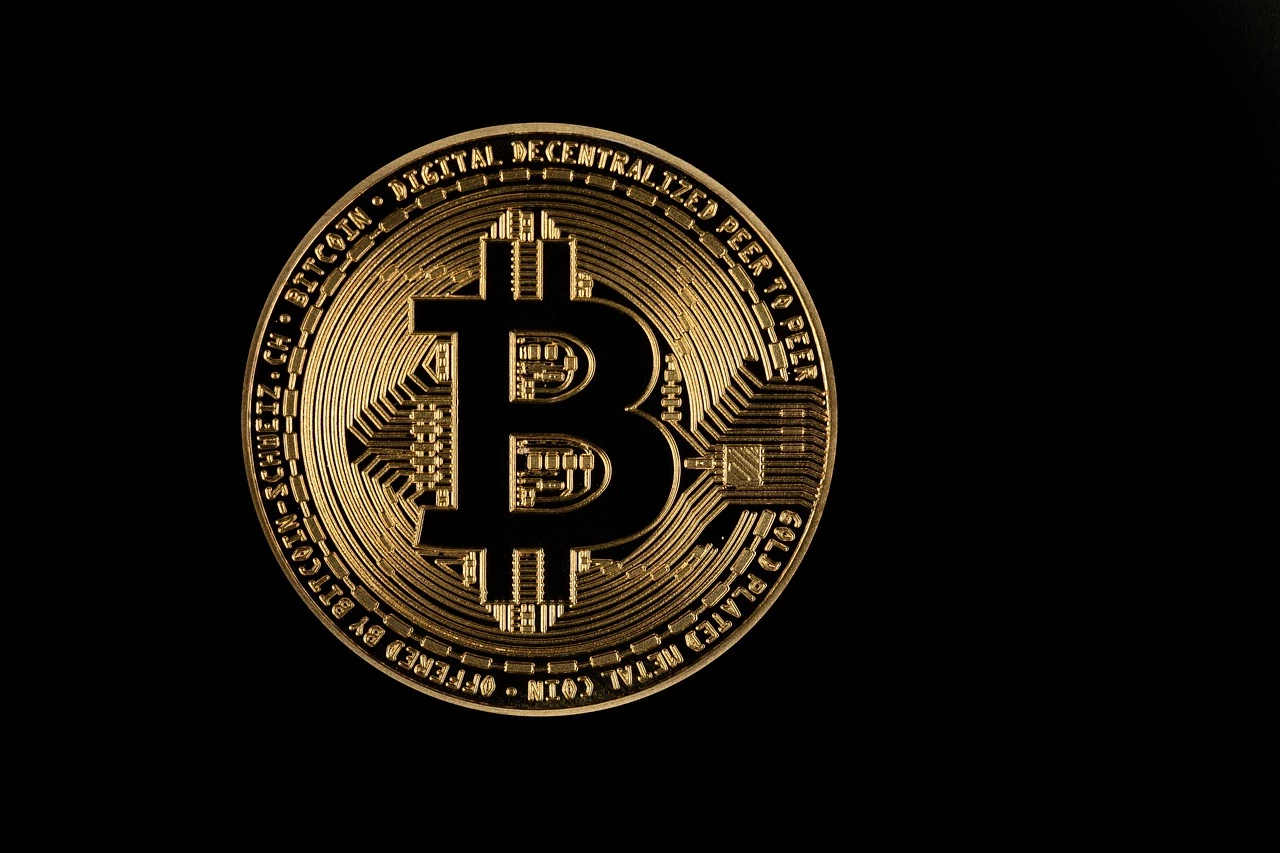
The Evolution of Decentralized Finance: Trends and Innovations
This article covers KULA and related crypto trends with practical context. Decentralized Finance, commonly known as DeFi, has transformed the cryptocurrency landscape over recent years. With innovative protocols and projects emerging regularly, understanding the nuances of DeFi is crucial for investors and enthusiasts alike. In this article, we will delve into the latest trends in DeFi, examining how these innovations are reshaping financial services and creating new opportunities in the crypto ecosystem.
This guide gives you a concise, actionable overview of the topic and why it matters now.
Current Trends in DeFi
Rise of Yield Farming and Liquidity Mining
Yield farming has become a buzzword in the DeFi space, allowing users to earn rewards by providing liquidity to decentralized exchanges (DEXs). This practice has led to unprecedented returns, drawing both seasoned investors and newcomers into the DeFi realm. Liquidity mining, on the other hand, incentivizes users to lock up their assets in smart contracts, further boosting the liquidity of various DeFi protocols.
Decentralized Exchanges vs. Centralized Exchanges
The debate between DEXs and centralized exchanges continues to evolve. DEXs offer users greater control over their funds and enhanced privacy, while centralized exchanges provide user-friendly interfaces and higher liquidity. As more users embrace the ethos of decentralization, DEXs are experiencing significant growth, with platforms like Uniswap and SushiSwap leading the charge.
Interoperability in DeFi
Interoperability among different blockchain networks is becoming increasingly important for the DeFi ecosystem. Projects like Polkadot and Cosmos aim to connect disparate blockchains, facilitating seamless asset transfers and interactions. This interconnectedness not only enhances user experience but also expands the potential for innovative financial products.
Key Innovations Shaping DeFi
Automated Market Makers (AMMs)
AMMs have revolutionized the way liquidity is provided on DEXs. Instead of relying on traditional order books, AMMs use algorithms to set prices based on supply and demand. This innovation allows for continuous trading and minimizes the impact of market fluctuations, making it easier for users to swap tokens without significant slippage.
Flash Loans and Their Impact
Flash loans enable users to borrow assets without collateral for a very short period, typically within a single transaction. This unique feature has given rise to various arbitrage opportunities and has empowered developers to create complex financial instruments. However, the unregulated nature of flash loans has also raised concerns about security and potential exploits.
Non-Fungible Tokens (NFTs) in DeFi
NFTs have found a surprising niche within the DeFi space. From collateralizing loans to representing ownership of unique digital assets, NFTs are bridging the gap between digital art and decentralized finance. Projects like NFTfi allow users to leverage their NFTs as collateral for loans, showcasing the versatility of these tokens.
Challenges Facing DeFi
Security Concerns
Despite its rapid growth, DeFi is not without risks. Smart contract vulnerabilities and hacking incidents have plagued various projects, leading to substantial losses for investors. As DeFi protocols become more complex, the need for rigorous security audits and robust risk management practices is paramount.
Regulatory Scrutiny
As DeFi continues to gain traction, regulatory bodies are taking notice. The lack of oversight in many DeFi projects raises concerns regarding compliance with existing financial regulations. The evolution of DeFi could lead to increased scrutiny and potential regulatory frameworks that might impact innovation in the space.
Future Outlook for DeFi
Integration with Traditional Finance
The future of DeFi likely lies in its integration with traditional financial systems. As institutions begin to recognize the potential of blockchain technology, partnerships between DeFi projects and traditional finance are becoming more common. This convergence could pave the way for a more inclusive financial landscape, merging the best of both worlds.
Focus on liquidity, counterparty risk, and execution quality in The Evolution of Decentralized Finance: Trends and Innovations. Prefer clear fee schedules and avoid hidden slippage. When uncertainty rises, reduce position size and extend review intervals. Builders who last in The Evolution of Decentralized Finance: Trends and Innovations do unglamorous work. Document edge cases, measure latency, track fees and liquidity, and review error budgets. Discipline compounds faster than hot takes. Treat KULA as one variable in a wider model. Clarity in scope and metrics keeps teams aligned in The Evolution of Decentralized Finance: Trends and Innovations. Write crisp definitions of done, instrument the path to green, and audit dependencies. Small, testable changes lower risk and speed up feedback.
Operating in The Evolution of Decentralized Finance: Trends and Innovations benefits from early telemetry and automated dashboards. Transparency reduces rework and panic moves. When KULA shifts, context is already captured, so you can adjust calmly instead of reacting late. Focus on liquidity, counterparty risk, and execution quality in The Evolution of Decentralized Finance: Trends and Innovations. Prefer clear fee schedules and avoid hidden slippage. When uncertainty rises, reduce position size and extend review intervals. Most outcomes in The Evolution of Decentralized Finance: Trends and Innovations come from repeatable systems. Define assumptions, risks, invalidation points, and a recheck cadence. This habit beats narratives. Use KULA as a lens, but let decisions follow current data, not hype.
Sustainability and Scalability
For DeFi to continue thriving, sustainability and scalability must be addressed. Solutions such as layer-2 scaling and eco-friendly protocols are being explored to enhance transaction speeds while reducing the environmental impact of blockchain operations.
Key Takeaways
- DeFi is rapidly transforming traditional finance through innovative protocols and decentralized solutions.
- Yield farming and liquidity mining are key trends driving participation in DeFi markets.
- Decentralized exchanges are gaining popularity due to their user control and privacy benefits.
- Interoperability between blockchains is essential for the growth of the DeFi ecosystem.
- Automated Market Makers have changed the liquidity provision model in decentralized exchanges.
- Flash loans present both opportunities and risks within the DeFi space.
Stay updated on the latest in DeFi by subscribing to our newsletter for insights and analyses.