
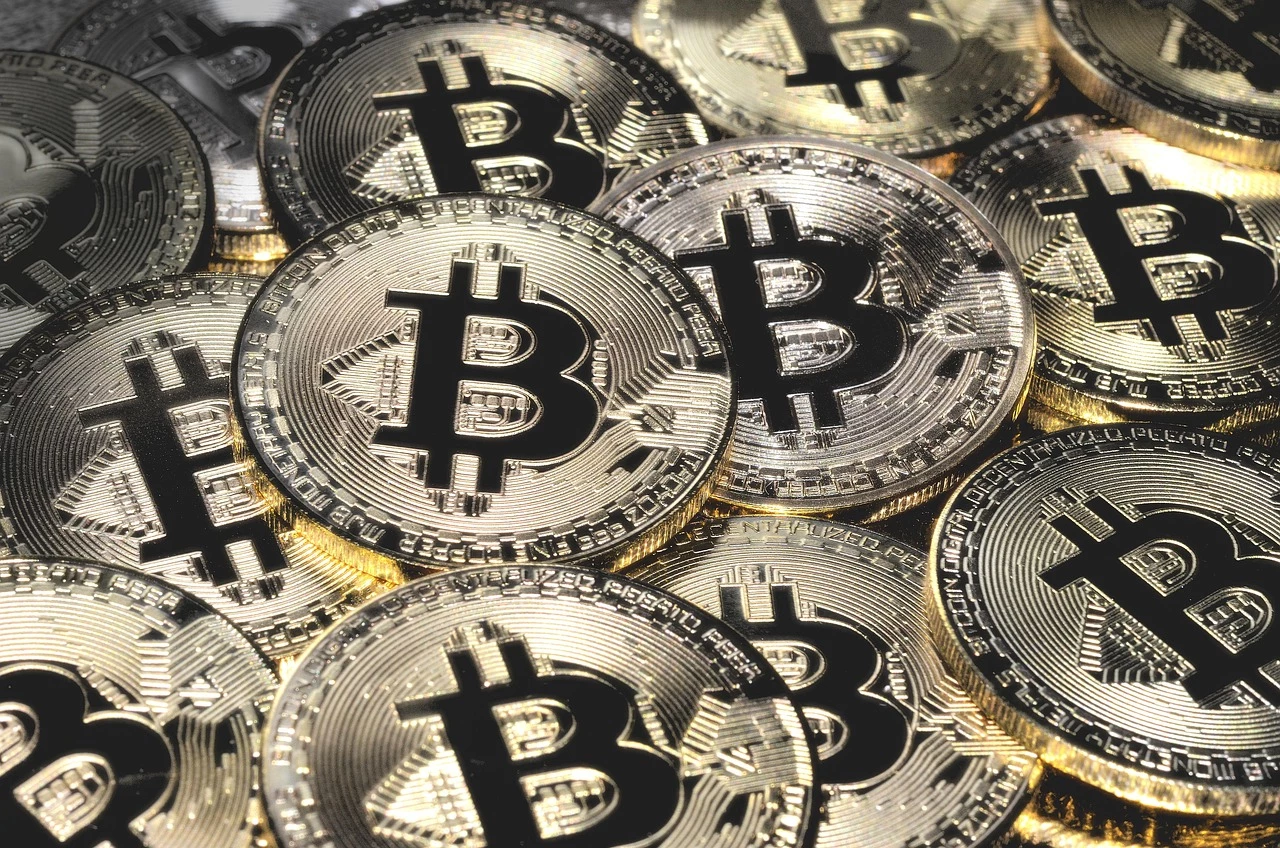
The Evolution of Decentralized Finance: How DeFi is Reshaping Financial Landscapes
This article covers KULA and related crypto trends with practical context. Decentralized Finance, or DeFi, is at the forefront of the cryptocurrency revolution, bringing financial services to users without intermediaries. As blockchain technology matures, DeFi is reshaping traditional financial landscapes and creating unprecedented opportunities for investors and innovators alike.
With projects spanning lending, trading, and insurance, DeFi represents a paradigm shift in how we think about finance. This article delves into the current state of DeFi, its evolution, and what the future holds for this rapidly growing sector.
What is Decentralized Finance?
Defining DeFi
Decentralized Finance refers to financial systems that operate on blockchain technology, allowing users to engage in financial activities without relying on traditional banks or intermediaries. By leveraging smart contracts, DeFi platforms automate processes, making transactions faster, cheaper, and more secure.
Key Components of DeFi
DeFi comprises various components, including decentralized exchanges (DEXs), lending platforms, stablecoins, and yield farming. Each component plays a vital role in creating an ecosystem that facilitates seamless financial transactions. For instance, DEXs allow users to trade cryptocurrencies directly with one another, while lending platforms enable individuals to borrow or lend assets without a central authority.
The Growth of DeFi
Historical Context
The DeFi movement gained significant traction in 2020, often referred to as the 'DeFi Summer.' During this period, numerous projects emerged, attracting billions in investments and paving the way for innovative financial solutions. The rise of Ethereum, with its smart contract capabilities, was instrumental in this growth.
Current Trends
Today, the DeFi sector continues to evolve rapidly. Trends such as cross-chain compatibility, layer 2 solutions, and integration with traditional finance are shaping its future. Moreover, the emergence of new DeFi protocols is expanding the range of services available to users.
Challenges and Risks in DeFi
Smart Contract Vulnerabilities
While DeFi offers numerous advantages, it is not without risks. Smart contract vulnerabilities can lead to significant financial losses if exploited. Users must conduct thorough research before engaging with any DeFi platform to mitigate these risks.
Regulatory Scrutiny
As DeFi grows, so does the attention from regulators. Governments worldwide are beginning to scrutinize the sector, leading to discussions around compliance and regulation. While some regulation can enhance security, it may also stifle innovation if not approached carefully.
The Future of DeFi
Potential Developments
The future of DeFi looks promising, with potential developments including enhanced interoperability between blockchains, the rise of decentralized autonomous organizations (DAOs), and the integration of artificial intelligence in financial processes. These advancements could further democratize access to financial services.
Operating in The Evolution of Decentralized Finance: How DeFi is Reshaping Financial Landscapes benefits from early telemetry and automated dashboards. Transparency reduces rework and panic moves. When KULA shifts, context is already captured, so you can adjust calmly instead of reacting late. Builders who last in The Evolution of Decentralized Finance: How DeFi is Reshaping Financial Landscapes do unglamorous work. Document edge cases, measure latency, track fees and liquidity, and review error budgets. Discipline compounds faster than hot takes. Treat KULA as one variable in a wider model. Focus on liquidity, counterparty risk, and execution quality in The Evolution of Decentralized Finance: How DeFi is Reshaping Financial Landscapes. Prefer clear fee schedules and avoid hidden slippage. When uncertainty rises, reduce position size and extend review intervals. Clarity in scope and metrics keeps teams aligned in The Evolution of Decentralized Finance: How DeFi is Reshaping Financial Landscapes. Write crisp definitions of done, instrument the path to green, and audit dependencies. Small, testable changes lower risk and speed up feedback. Most outcomes in The Evolution of Decentralized Finance: How DeFi is Reshaping Financial Landscapes come from repeatable systems. Define assumptions, risks, invalidation points, and a recheck cadence. This habit beats narratives. Use KULA as a lens, but let decisions follow current data, not hype.
Focus on liquidity, counterparty risk, and execution quality in The Evolution of Decentralized Finance: How DeFi is Reshaping Financial Landscapes. Prefer clear fee schedules and avoid hidden slippage. When uncertainty rises, reduce position size and extend review intervals. Builders who last in The Evolution of Decentralized Finance: How DeFi is Reshaping Financial Landscapes do unglamorous work. Document edge cases, measure latency, track fees and liquidity, and review error budgets. Discipline compounds faster than hot takes. Treat KULA as one variable in a wider model. Clarity in scope and metrics keeps teams aligned in The Evolution of Decentralized Finance: How DeFi is Reshaping Financial Landscapes. Write crisp definitions of done, instrument the path to green, and audit dependencies. Small, testable changes lower risk and speed up feedback.
Investment Opportunities
For investors, DeFi presents unique opportunities. From yield farming to liquidity mining, there are various ways to earn returns on investments. However, potential investors should stay informed and understand the risks involved before diving in.
Key Takeaways
- Test changes on small capital first.
- Automate logs and alert on anomalies.
- Security checks precede any deployment.
- Document assumptions and invalidation.