
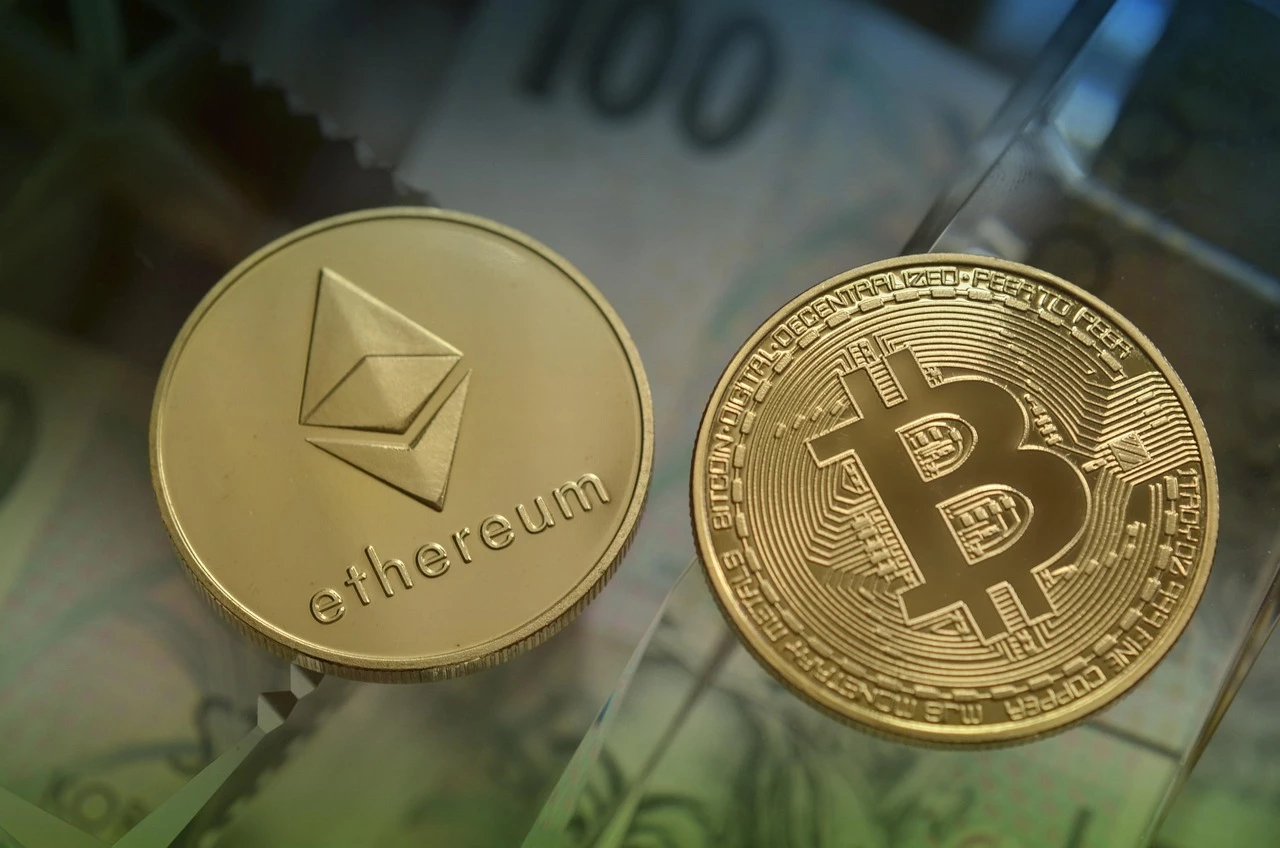
The Evolution of Decentralized Finance: A Look into DeFi's Future
This article covers KULA and related crypto trends with practical context. Decentralized finance, commonly referred to as DeFi, has rapidly transformed the financial landscape by providing open access to financial services through blockchain technology. The rise of DeFi has sparked interest among investors and developers alike, as traditional financial systems face challenges and limitations. As we delve into the intricacies of DeFi, we will uncover the latest trends, innovations, and potential future developments that are set to reshape the way we think about finance.
This guide gives you a concise, actionable overview of the topic and why it matters now.
Understanding DeFi: What You Need to Know
The Basics of DeFi
At its core, decentralized finance refers to a financial ecosystem built on blockchain technology that aims to recreate and improve upon traditional financial services. This includes lending, borrowing, trading, and earning interest without the need for intermediaries like banks. DeFi platforms leverage smart contracts to automate processes, ensuring transparency and security in transactions.
Key Components of the DeFi Ecosystem
Several key components make up the DeFi landscape, including decentralized exchanges (DEXs), lending platforms, stablecoins, and yield farming opportunities. DEXs allow users to trade cryptocurrencies directly with one another, while lending platforms enable users to borrow and lend assets without relying on traditional banks. Stablecoins, pegged to fiat currencies, provide stability in a highly volatile market, and yield farming allows users to earn rewards by providing liquidity to various protocols.
Current Trends in DeFi
The Rise of Layer 2 Solutions
As Ethereum continues to dominate the DeFi space, the increasing demand for transactions has led to high gas fees and congestion. Layer 2 solutions, such as Optimistic Rollups and zk-Rollups, aim to alleviate these issues by allowing for faster and cheaper transactions while maintaining the security of the Ethereum mainnet. These solutions are becoming essential for the scalability of DeFi applications.
Cross-Chain Interoperability
The DeFi landscape is becoming increasingly interconnected as projects focus on cross-chain interoperability. Solutions like bridges allow assets to move seamlessly between different blockchains, enhancing liquidity and user access to various DeFi services. This trend is vital for creating a more inclusive and robust financial ecosystem.
Challenges Facing DeFi
Security Concerns and Hacks
While DeFi offers significant advantages, it is not without its challenges. Security remains a primary concern, as several high-profile hacks have highlighted vulnerabilities within smart contracts and protocols. Ensuring the safety of user funds is crucial for the long-term success of DeFi, prompting developers to prioritize audits and security measures.
Regulatory Scrutiny
As DeFi continues to grow, regulatory bodies are taking a closer look at the space. Governments worldwide are grappling with how to regulate decentralized finance while fostering innovation. The outcome of these regulatory discussions will significantly impact the future of DeFi and its adoption by mainstream users.
Looking Ahead: The Future of DeFi
Potential Innovations
The future of DeFi holds immense potential for innovation, with developments in areas such as decentralized insurance, automated market makers (AMMs), and social tokens. These innovations could further enhance user experience and accessibility, driving greater adoption of DeFi platforms.
Builders who last in The Evolution of Decentralized Finance: A Look into DeFi's Future do unglamorous work. Document edge cases, measure latency, track fees and liquidity, and review error budgets. Discipline compounds faster than hot takes. Treat KULA as one variable in a wider model. Focus on liquidity, counterparty risk, and execution quality in The Evolution of Decentralized Finance: A Look into DeFi's Future. Prefer clear fee schedules and avoid hidden slippage. When uncertainty rises, reduce position size and extend review intervals. Clarity in scope and metrics keeps teams aligned in The Evolution of Decentralized Finance: A Look into DeFi's Future. Write crisp definitions of done, instrument the path to green, and audit dependencies. Small, testable changes lower risk and speed up feedback. Most outcomes in The Evolution of Decentralized Finance: A Look into DeFi's Future come from repeatable systems. Define assumptions, risks, invalidation points, and a recheck cadence. This habit beats narratives. Use KULA as a lens, but let decisions follow current data, not hype.
Operating in The Evolution of Decentralized Finance: A Look into DeFi's Future benefits from early telemetry and automated dashboards. Transparency reduces rework and panic moves. When KULA shifts, context is already captured, so you can adjust calmly instead of reacting late. Most outcomes in The Evolution of Decentralized Finance: A Look into DeFi's Future come from repeatable systems. Define assumptions, risks, invalidation points, and a recheck cadence. This habit beats narratives. Use KULA as a lens, but let decisions follow current data, not hype. Focus on liquidity, counterparty risk, and execution quality in The Evolution of Decentralized Finance: A Look into DeFi's Future. Prefer clear fee schedules and avoid hidden slippage. When uncertainty rises, reduce position size and extend review intervals.
Mainstream Adoption and Integration
For DeFi to reach its full potential, mainstream adoption is essential. This involves integrating DeFi services with traditional financial systems, improving user interfaces, and increasing awareness among potential users. As more individuals recognize the benefits of DeFi, we can expect to see significant growth in this sector.
Key Takeaways
- Test changes on small capital first.
- Cut losers early, let winners work.
- Security checks precede any deployment.
- Avoid leverage creep during volatility.