
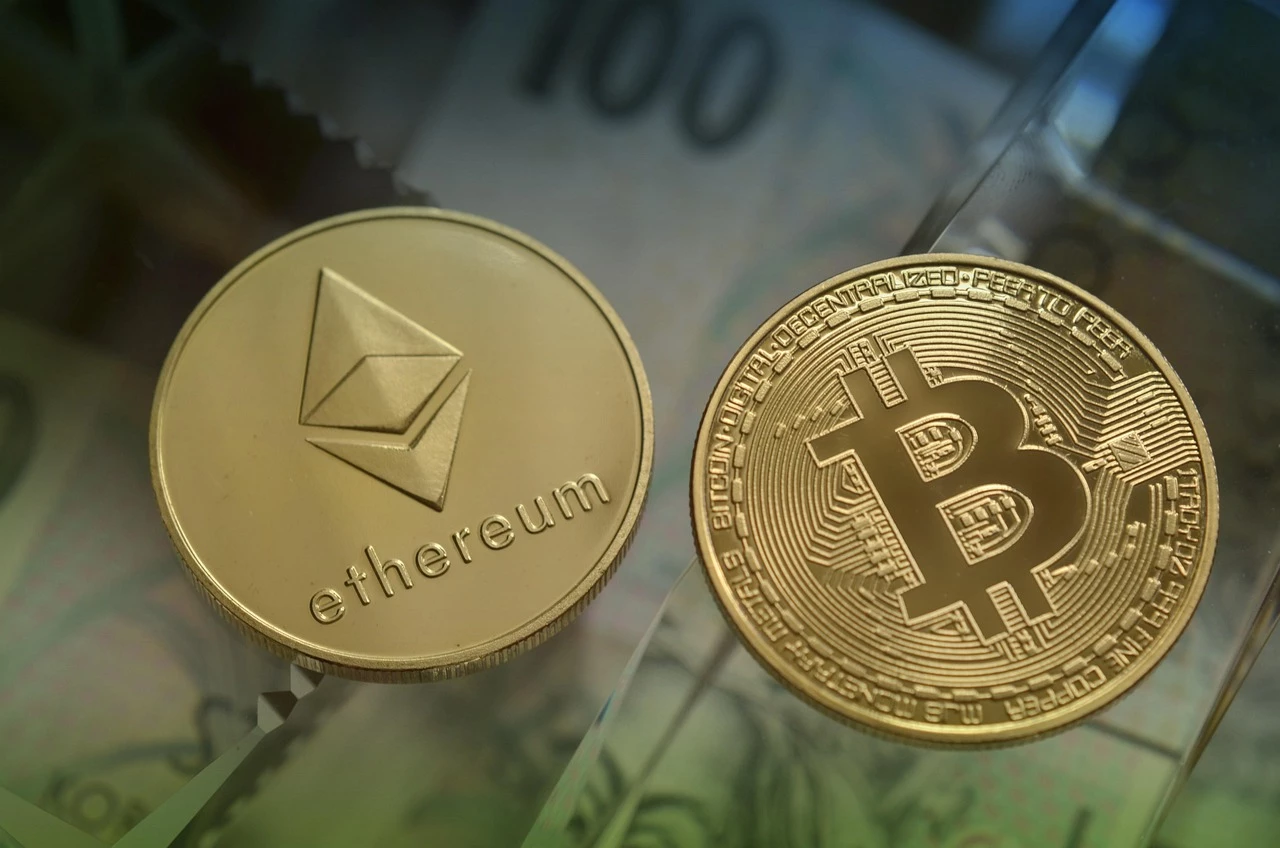
Riding the Wave of DeFi: The Next Evolution in Finance
This article covers KULA and related crypto trends with practical context. Decentralized Finance (DeFi) is rapidly reshaping the landscape of traditional finance, bringing innovative solutions and unprecedented access to financial services.
As we dive deeper into this transformative sector, understanding its mechanics, opportunities, and challenges becomes crucial for investors and enthusiasts alike.
What is DeFi? A Brief Overview
The Core Principles of DeFi
DeFi stands for Decentralized Finance, a movement that leverages blockchain technology to recreate and improve upon traditional financial systems. Unlike conventional finance, which relies on intermediaries like banks and brokers, DeFi aims to provide direct access to financial services through smart contracts and decentralized applications (dApps).
The key principles of DeFi include transparency, accessibility, and programmability. These attributes enable users to engage with financial products without the need for traditional banking infrastructure.
The Rise of DeFi Platforms
Over the past few years, various DeFi platforms have emerged, offering services like lending, borrowing, trading, and yield farming. Protocols such as Aave, Compound, and Uniswap have become household names, attracting millions of users and billions in assets.
The rapid growth of these platforms has not only democratized access to financial services but also introduced new investment opportunities for individuals across the globe.
Opportunities in DeFi
Yield Farming and Liquidity Mining
Yield farming allows users to earn rewards by providing liquidity to DeFi protocols. By locking up their assets in a liquidity pool, users can earn interest and additional tokens, often at significantly higher rates than traditional savings accounts.
Liquidity mining complements yield farming by incentivizing users to contribute liquidity to specific pools, rewarding them with the platform's native tokens. This dual mechanism has attracted a surge of participants seeking high returns on their investments.
Decentralized Exchanges (DEXs)
DEXs have revolutionized the way users trade cryptocurrencies. Unlike centralized exchanges, DEXs allow peer-to-peer trading directly from users' wallets, enhancing privacy and security.
Platforms like Uniswap and SushiSwap enable users to swap tokens without relying on a central authority, leading to lower fees and increased trading flexibility.
Challenges Facing DeFi
Smart Contract Risks
Despite the advantages of DeFi, users must navigate the inherent risks associated with smart contracts. Bugs or vulnerabilities in the code can lead to significant losses, as seen in various high-profile hacks.
Conducting thorough research and using audited protocols can mitigate some of these risks, but the decentralized nature of DeFi means that users must remain vigilant.
Regulatory Hurdles
As DeFi continues to grow, it attracts the attention of regulators worldwide. The lack of clear regulatory frameworks poses challenges for the industry, as authorities seek to protect consumers and prevent illicit activities.
Navigating these regulations will be crucial for the long-term viability of DeFi projects and their adoption by mainstream users.
The Future of DeFi
Interoperability and Cross-Chain Solutions
The future of DeFi will likely hinge on interoperability between different blockchains. As more projects emerge on various networks, the ability to communicate and transact seamlessly will be essential for user experience and liquidity.
Protocols like Polkadot and Cosmos are paving the way for cross-chain functionality, allowing assets to flow freely between different ecosystems.
Clarity in scope and metrics keeps teams aligned in Riding the Wave of DeFi: The Next Evolution in Finance. Write crisp definitions of done, instrument the path to green, and audit dependencies. Small, testable changes lower risk and speed up feedback. Operating in Riding the Wave of DeFi: The Next Evolution in Finance benefits from early telemetry and automated dashboards. Transparency reduces rework and panic moves. When KULA shifts, context is already captured, so you can adjust calmly instead of reacting late. Focus on liquidity, counterparty risk, and execution quality in Riding the Wave of DeFi: The Next Evolution in Finance. Prefer clear fee schedules and avoid hidden slippage. When uncertainty rises, reduce position size and extend review intervals. Builders who last in Riding the Wave of DeFi: The Next Evolution in Finance do unglamorous work. Document edge cases, measure latency, track fees and liquidity, and review error budgets. Discipline compounds faster than hot takes. Treat KULA as one variable in a wider model.
Clarity in scope and metrics keeps teams aligned in Riding the Wave of DeFi: The Next Evolution in Finance. Write crisp definitions of done, instrument the path to green, and audit dependencies. Small, testable changes lower risk and speed up feedback. Most outcomes in Riding the Wave of DeFi: The Next Evolution in Finance come from repeatable systems. Define assumptions, risks, invalidation points, and a recheck cadence. This habit beats narratives. Use KULA as a lens, but let decisions follow current data, not hype. Builders who last in Riding the Wave of DeFi: The Next Evolution in Finance do unglamorous work. Document edge cases, measure latency, track fees and liquidity, and review error budgets. Discipline compounds faster than hot takes. Treat KULA as one variable in a wider model.
Institutional Adoption
As the DeFi space matures, institutional interest is growing. Large financial institutions are beginning to explore DeFi opportunities, recognizing the potential for enhanced efficiency and new revenue streams.
This shift could lead to greater legitimacy for DeFi, attracting more users and capital into the ecosystem.
Key Takeaways
- Size positions small and review weekly.
- Automate logs and alert on anomalies.
- Prefer liquid venues and clear fees.
- Avoid leverage creep during volatility.