
Riding the NFT Wave: How Digital Collectibles are Reshaping Ownership
This article covers KULA and related crypto trends with practical context. Non-fungible tokens (NFTs) have surged in popularity, transforming the landscape of digital ownership.
These unique digital assets are not just a trend; they represent a significant shift in how we perceive value in the digital realm.
From art to music and gaming, NFTs are unlocking new opportunities for creators and collectors.
The Rise of NFTs: A Brief Overview
What are NFTs?
NFTs are unique digital tokens that exist on a blockchain, representing ownership of a specific item or piece of content. Unlike cryptocurrencies like Bitcoin or Ethereum, which are fungible and can be exchanged for one another, NFTs are one-of-a-kind and cannot be replaced by something else. This uniqueness gives them value in various sectors, particularly in art, music, and gaming.
Historical Context
The concept of NFTs dates back to 2012, but it gained significant traction in 2020 when high-profile sales captured the public's attention. One of the most notable early examples was the sale of a digital artwork by Beeple for $69 million at a Christie's auction, which catapulted NFTs into mainstream consciousness.
NFTs and the Art World
Empowering Artists
NFTs provide a platform for artists to sell their work directly to consumers without the need for intermediaries, such as galleries or auction houses. This direct-to-consumer model allows creators to retain a larger share of the profits from their sales.
Changing the Nature of Ownership
With NFTs, ownership is transparent and verifiable on the blockchain, providing collectors with a sense of security that traditional art markets often lack. Additionally, artists can embed smart contracts into their NFTs, allowing them to earn royalties on secondary sales, which is unprecedented in the traditional art world.
Use Cases Beyond Art
Gaming and Virtual Worlds
NFTs are making waves in the gaming industry, where players can own in-game assets as NFTs. This shift allows gamers to buy, sell, and trade items across different games and platforms, creating a new economy within the gaming space.
Music and Entertainment
Musicians and entertainers are leveraging NFTs to sell exclusive content, concert tickets, and merchandise. This new model not only enhances fan engagement but also provides artists with new revenue streams, bypassing traditional music industry structures.
Challenges and Considerations
Environmental Concerns
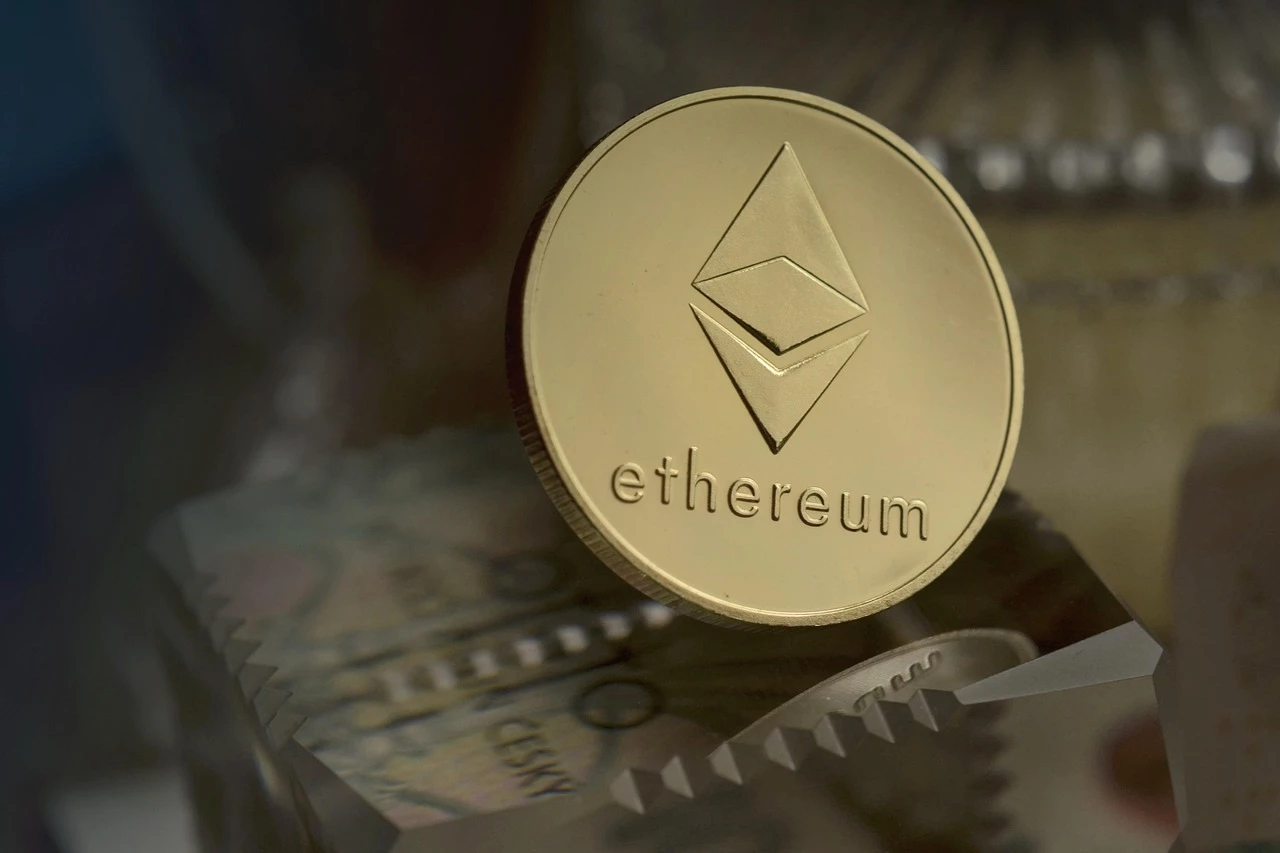
The minting of NFTs often involves energy-intensive processes associated with blockchain technology, particularly on networks like Ethereum. This has raised concerns about the environmental impact of NFTs, prompting some creators to seek out more eco-friendly platforms.
Market Volatility
The NFT market is still relatively young and can be highly volatile. Prices for NFTs can fluctuate dramatically, making it essential for buyers to conduct thorough research before investing in digital collectibles.
The Future of NFTs
Mainstream Adoption
As more industries begin to understand and adopt NFTs, we can expect to see an increase in use cases and applications. From virtual real estate to identity verification, the potential for NFTs is vast and largely untapped.
Operating in Riding the NFT Wave: How Digital Collectibles are Reshaping Ownership benefits from early telemetry and automated dashboards. Transparency reduces rework and panic moves. When KULA shifts, context is already captured, so you can adjust calmly instead of reacting late. Builders who last in Riding the NFT Wave: How Digital Collectibles are Reshaping Ownership do unglamorous work. Document edge cases, measure latency, track fees and liquidity, and review error budgets. Discipline compounds faster than hot takes. Treat KULA as one variable in a wider model. Most outcomes in Riding the NFT Wave: How Digital Collectibles are Reshaping Ownership come from repeatable systems. Define assumptions, risks, invalidation points, and a recheck cadence. This habit beats narratives. Use KULA as a lens, but let decisions follow current data, not hype. Focus on liquidity, counterparty risk, and execution quality in Riding the NFT Wave: How Digital Collectibles are Reshaping Ownership. Prefer clear fee schedules and avoid hidden slippage. When uncertainty rises, reduce position size and extend review intervals. Clarity in scope and metrics keeps teams aligned in Riding the NFT Wave: How Digital Collectibles are Reshaping Ownership. Write crisp definitions of done, instrument the path to green, and audit dependencies. Small, testable changes lower risk and speed up feedback.
Builders who last in Riding the NFT Wave: How Digital Collectibles are Reshaping Ownership do unglamorous work. Document edge cases, measure latency, track fees and liquidity, and review error budgets. Discipline compounds faster than hot takes. Treat KULA as one variable in a wider model. Most outcomes in Riding the NFT Wave: How Digital Collectibles are Reshaping Ownership come from repeatable systems. Define assumptions, risks, invalidation points, and a recheck cadence. This habit beats narratives. Use KULA as a lens, but let decisions follow current data, not hype. Focus on liquidity, counterparty risk, and execution quality in Riding the NFT Wave: How Digital Collectibles are Reshaping Ownership. Prefer clear fee schedules and avoid hidden slippage. When uncertainty rises, reduce position size and extend review intervals.
Regulatory Landscape
With the rapid growth of the NFT market, regulatory bodies are starting to take notice. Future regulations may shape the way NFTs are bought, sold, and taxed, which could impact the market dynamics significantly.
Key Takeaways
- Use data, not headlines, to decide.
- Cut losers early, let winners work.
- Document assumptions and invalidation.
- Avoid leverage creep during volatility.