
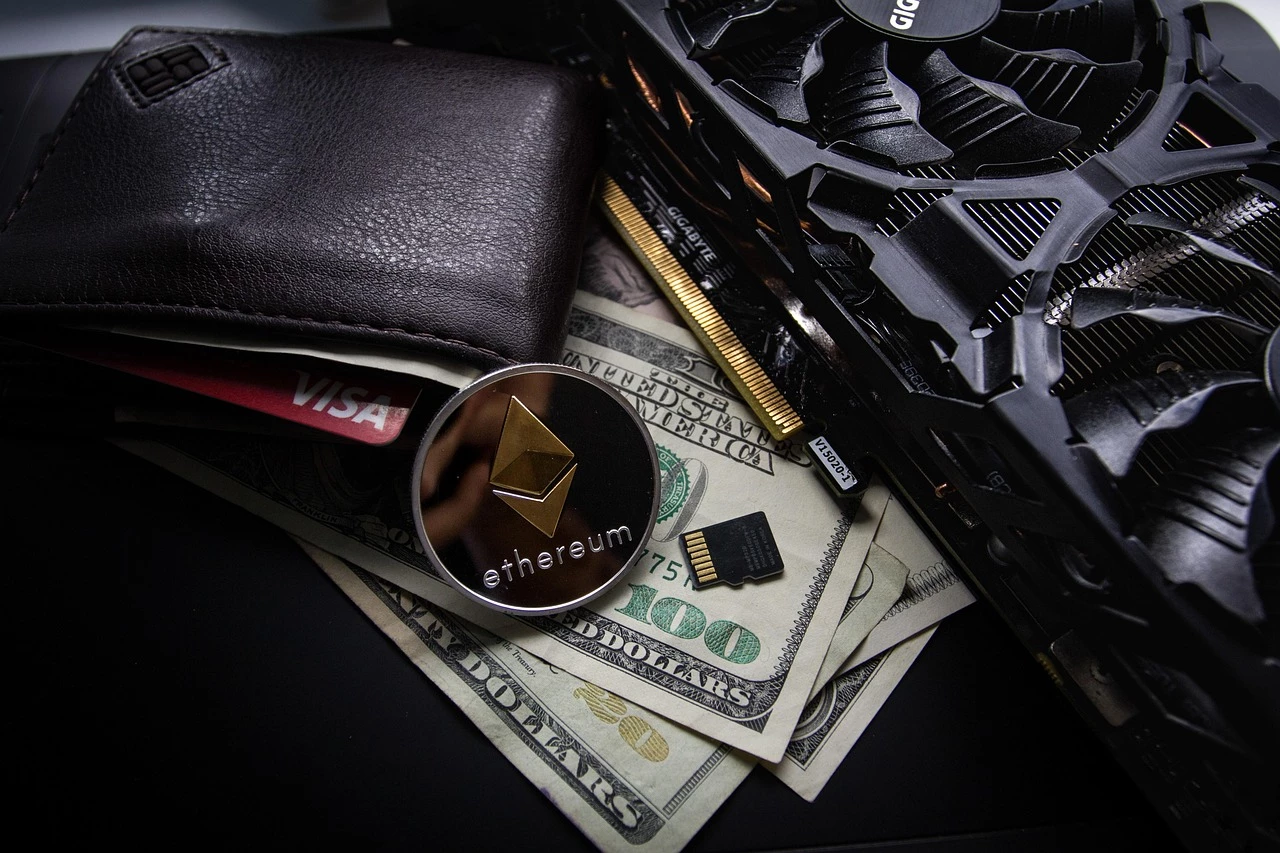
Revolutionizing Ownership: The Rise of NFTs in Digital Assets
This article covers KULA and related crypto trends with practical context. Non-fungible tokens (NFTs) have surged to prominence, reshaping the landscape of digital ownership and transforming various industries. As unique digital assets, NFTs offer creators and collectors unprecedented opportunities for monetization and engagement. In this article, we delve into the intricacies of NFTs, their applications, and what the future holds for this revolutionary technology.
This guide gives you a concise, actionable overview of the topic and why it matters now.
What Are NFTs?
Defining Non-Fungible Tokens
Non-fungible tokens are digital assets that represent ownership of a unique item or piece of content on the blockchain. Unlike cryptocurrencies such as Bitcoin or Ethereum, which are fungible and can be exchanged for one another, NFTs are distinct and cannot be replaced with something else. This uniqueness is what gives NFTs their value, as they can represent anything from digital art and music to virtual real estate and collectibles.
How NFTs Work
NFTs are created using smart contracts on blockchain platforms like Ethereum. These smart contracts provide a transparent way to verify ownership and provenance. When an NFT is created, it is minted, and a unique identifier is assigned to it, ensuring its distinctiveness. Buyers can purchase NFTs using cryptocurrency, and transactions are recorded on the blockchain, providing an immutable record of ownership.
The Growing Popularity of NFTs
NFTs in Art and Music
Artists have found a new avenue for revenue through NFTs, allowing them to sell their work directly to collectors without intermediaries. Notable sales have made headlines, with digital artworks fetching millions at auctions. Musicians are also leveraging NFTs to provide exclusive content and experiences to fans, creating new revenue streams and fostering deeper connections.
NFTs in Gaming and Virtual Worlds
In the gaming industry, NFTs are changing how players interact with in-game assets. Players can truly own their items, trade them, and even earn real money through gameplay. Virtual worlds are integrating NFTs to allow users to buy, sell, and trade virtual real estate, further enhancing the immersive experience.
Challenges and Considerations
Environmental Concerns
One significant criticism of NFTs is their environmental impact due to the energy-intensive nature of blockchain transactions. Many platforms are exploring more sustainable alternatives, such as proof-of-stake systems, to mitigate these concerns.
Market Volatility and Speculation
The NFT market is highly volatile, with prices fluctuating dramatically based on trends and hype. This speculative nature can pose risks for investors, making it crucial to conduct thorough research before entering the space.
The Future of NFTs
Potential Innovations
As the technology matures, we can expect to see innovative applications of NFTs beyond art and gaming. Industries such as real estate, fashion, and sports are beginning to explore the potential of NFTs for tokenizing ownership and enhancing consumer engagement.
Clarity in scope and metrics keeps teams aligned in Revolutionizing Ownership: The Rise of NFTs in Digital Assets. Write crisp definitions of done, instrument the path to green, and audit dependencies. Small, testable changes lower risk and speed up feedback. Most outcomes in Revolutionizing Ownership: The Rise of NFTs in Digital Assets come from repeatable systems. Define assumptions, risks, invalidation points, and a recheck cadence. This habit beats narratives. Use KULA as a lens, but let decisions follow current data, not hype. Builders who last in Revolutionizing Ownership: The Rise of NFTs in Digital Assets do unglamorous work. Document edge cases, measure latency, track fees and liquidity, and review error budgets. Discipline compounds faster than hot takes. Treat KULA as one variable in a wider model. Operating in Revolutionizing Ownership: The Rise of NFTs in Digital Assets benefits from early telemetry and automated dashboards. Transparency reduces rework and panic moves. When KULA shifts, context is already captured, so you can adjust calmly instead of reacting late. Focus on liquidity, counterparty risk, and execution quality in Revolutionizing Ownership: The Rise of NFTs in Digital Assets. Prefer clear fee schedules and avoid hidden slippage. When uncertainty rises, reduce position size and extend review intervals.
Clarity in scope and metrics keeps teams aligned in Revolutionizing Ownership: The Rise of NFTs in Digital Assets. Write crisp definitions of done, instrument the path to green, and audit dependencies. Small, testable changes lower risk and speed up feedback. Focus on liquidity, counterparty risk, and execution quality in Revolutionizing Ownership: The Rise of NFTs in Digital Assets. Prefer clear fee schedules and avoid hidden slippage. When uncertainty rises, reduce position size and extend review intervals. Operating in Revolutionizing Ownership: The Rise of NFTs in Digital Assets benefits from early telemetry and automated dashboards. Transparency reduces rework and panic moves. When KULA shifts, context is already captured, so you can adjust calmly instead of reacting late.
Regulatory Considerations
With the rise of NFTs, regulatory scrutiny is increasing. Governments are beginning to establish frameworks to address issues related to taxation, intellectual property, and consumer protection. Staying informed about these developments will be crucial for participants in the NFT ecosystem.
Key Takeaways
- Document assumptions and invalidation.
- Cut losers early, let winners work.
- Prefer liquid venues and clear fees.
- Measure risk before return in Revolutionizing Ownership: The Rise of NFTs in Digital Assets.