
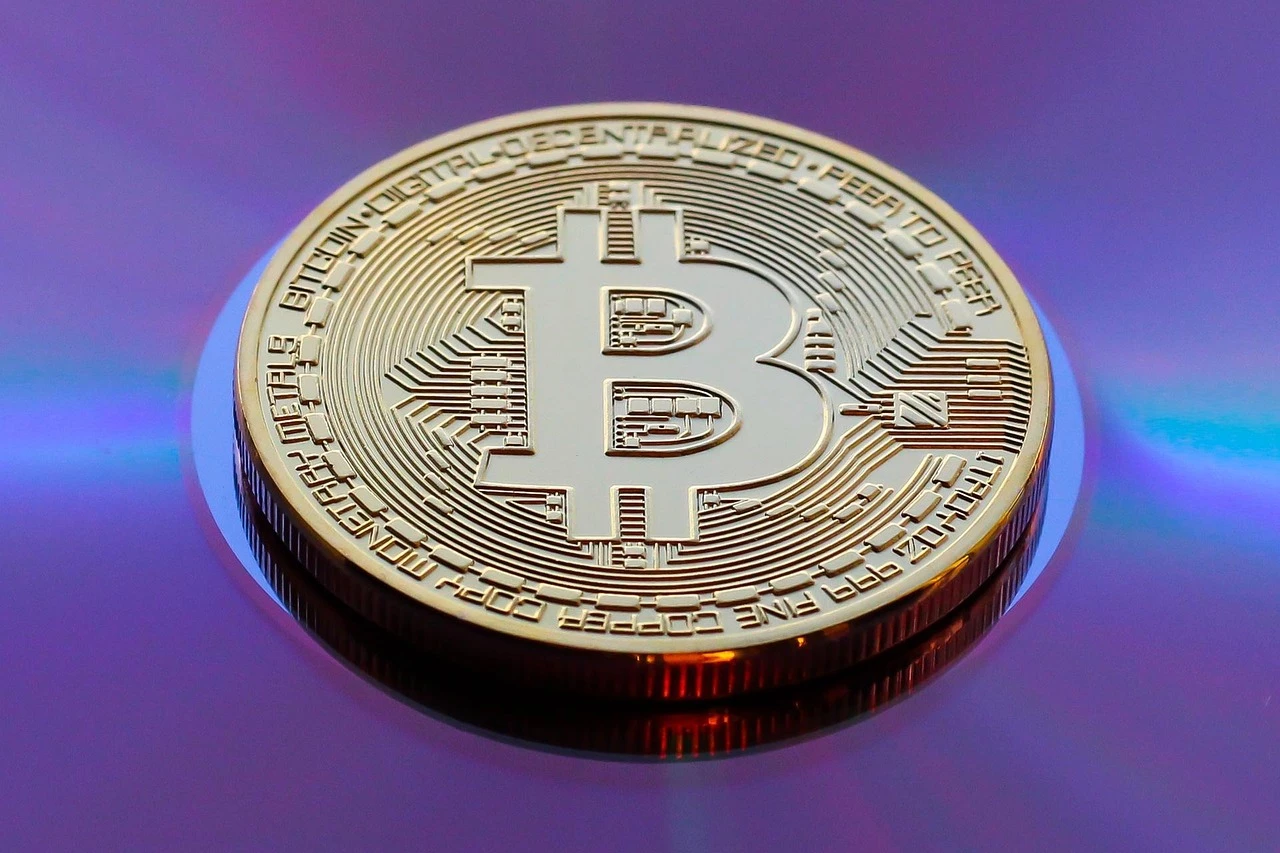
Revolutionizing Finance: The Rise of Tokenization in the Crypto Landscape
This article covers KULA and related crypto trends with practical context. The world of finance is undergoing a radical transformation, driven by advancements in blockchain technology and the concept of tokenization. Tokenization involves converting real-world assets into digital tokens on a blockchain, allowing for easier transfer, ownership, and trading. This innovative approach is gaining traction among investors and businesses alike, as it opens up new avenues for investment and liquidity in various sectors.
As traditional financial systems face challenges, tokenization presents a viable alternative, enabling fractional ownership and democratizing access to assets that were once reserved for a select few. With the rise of decentralized finance (DeFi) and the growing interest from institutional players, understanding the implications of tokenization is essential for anyone involved in the crypto space.
What is Tokenization?
Defining Tokenization
Tokenization is the process of creating digital representations of real-world assets on a blockchain. These digital tokens can represent anything from real estate and art to stocks and bonds, making them easily tradable and transferable without the need for intermediaries.
This process not only enhances liquidity but also allows for fractional ownership, where multiple investors can own a share of a high-value asset, thus lowering the barrier to entry for investment.
Benefits of Tokenization
One of the primary benefits of tokenization is increased liquidity. Traditional assets often require significant time and resources to buy or sell, while tokenized assets can be traded on blockchain platforms almost instantly.
Additionally, tokenization provides enhanced transparency and security, as all transactions are recorded on an immutable ledger, reducing the risk of fraud and improving trust among participants.
The Role of Smart Contracts in Tokenization
Automating Transactions
Smart contracts are self-executing contracts with the terms of the agreement directly written into code. In the context of tokenization, they facilitate automated transactions, ensuring that when conditions are met, ownership of tokens is transferred without the need for a third party.
This automation not only speeds up transactions but also reduces costs associated with traditional contract enforcement.
Enabling Complex Financial Instruments
Smart contracts can also enable the creation of complex financial instruments such as derivatives and options on tokenized assets. This flexibility allows for innovative investment strategies and risk management solutions that were previously difficult to implement in traditional finance.
Tokenization and DeFi: A Perfect Match
Unlocking New Opportunities
The intersection of tokenization and decentralized finance (DeFi) is one of the most exciting developments in the crypto space. By tokenizing assets, DeFi platforms can offer new financial products that leverage these assets for lending, borrowing, and yield generation.
For instance, tokenized real estate can be used as collateral for loans, providing liquidity to asset owners while also generating income for lenders.
Risks and Challenges
Despite its potential, tokenization is not without risks. Regulatory uncertainty remains a significant challenge, as governments around the world grapple with how to classify and regulate tokenized assets. Additionally, the technology itself must continue to evolve to address scalability and security concerns.
Real-World Applications of Tokenization
Tokenizing Real Estate
Real estate is one of the most promising sectors for tokenization. By creating digital tokens representing shares in a property, investors can access a market that was previously limited to high-net-worth individuals. This democratization of real estate investment is already being seen through various platforms that allow for fractional ownership of properties.
Art and Collectibles
The art world is also embracing tokenization, with platforms emerging that enable artists to tokenize their work. This not only allows for fractional ownership but also ensures that artists can receive royalties on future sales of their work, creating a sustainable revenue stream.
The Future of Tokenization
Trends to Watch
As the tokenization trend continues to grow, several key areas will shape its future. Increased institutional adoption, advancements in regulatory frameworks, and the development of more sophisticated tokenization platforms are all likely to play a crucial role.
Furthermore, the integration of artificial intelligence and machine learning may enhance the capabilities of tokenized assets, allowing for smarter investment strategies and risk assessment.
Builders who last in Revolutionizing Finance: The Rise of Tokenization in the Crypto Landscape do unglamorous work. Document edge cases, measure latency, track fees and liquidity, and review error budgets. Discipline compounds faster than hot takes. Treat KULA as one variable in a wider model. Operating in Revolutionizing Finance: The Rise of Tokenization in the Crypto Landscape benefits from early telemetry and automated dashboards. Transparency reduces rework and panic moves. When KULA shifts, context is already captured, so you can adjust calmly instead of reacting late. Most outcomes in Revolutionizing Finance: The Rise of Tokenization in the Crypto Landscape come from repeatable systems. Define assumptions, risks, invalidation points, and a recheck cadence. This habit beats narratives. Use KULA as a lens, but let decisions follow current data, not hype.
Conclusion
Tokenization is poised to revolutionize finance, making it more accessible, efficient, and transparent. As blockchain technology matures and the regulatory landscape evolves, we can expect to see an increasing number of assets tokenized, opening up a world of opportunities for investors and businesses alike.
Key Takeaways
- Automate logs and alert on anomalies.
- Cut losers early, let winners work.
- Document assumptions and invalidation.
- Use data, not headlines, to decide.