
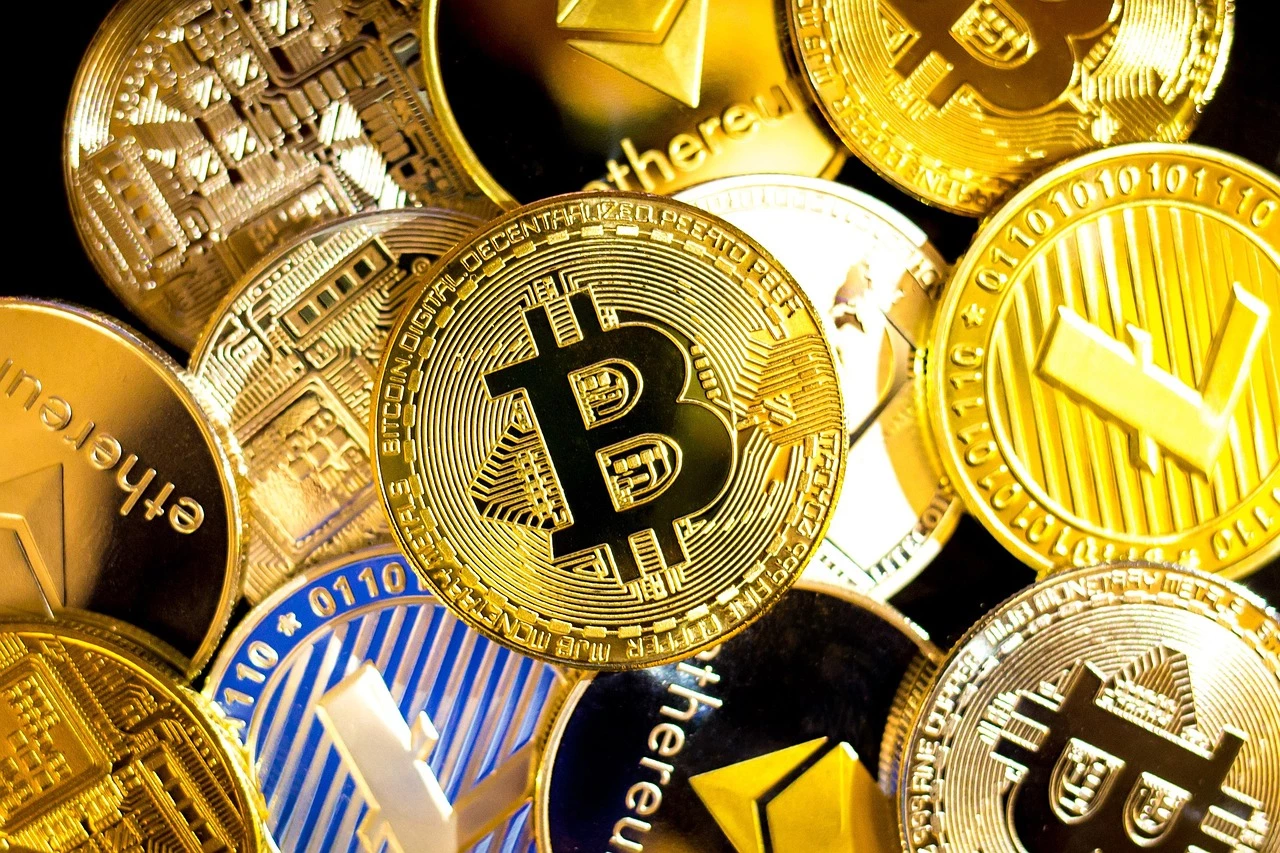
Revolutionizing Finance: The Rise of Decentralized Finance (DeFi) in 2023
This article covers KULA and related crypto trends with practical context. In 2023, Decentralized Finance (DeFi) has emerged as a transformative force in the cryptocurrency landscape, fundamentally altering how we perceive traditional finance. With its promise of transparency, accessibility, and efficiency, DeFi is attracting a growing number of investors and developers alike.
As cryptocurrencies gain mainstream acceptance, the DeFi sector is poised to redefine financial services, from lending to trading, all powered by blockchain technology. This article delves into the current state of DeFi, its key players, and the opportunities it presents for both seasoned investors and newcomers.
What is Decentralized Finance (DeFi)?
Defining DeFi
Decentralized Finance, or DeFi, refers to a system of financial applications built on blockchain technology that aims to recreate and improve upon traditional financial systems. Unlike centralized finance, where intermediaries like banks control transactions, DeFi platforms operate on decentralized protocols, allowing users to engage directly with one another.
Key Components of DeFi
The DeFi ecosystem consists of various components including decentralized exchanges (DEXs), lending platforms, stablecoins, and yield farming opportunities. Each of these elements plays a critical role in creating a more accessible financial system.
For instance, DEXs like Uniswap and SushiSwap enable users to trade cryptocurrencies without the need for a central authority, while lending platforms such as Aave and Compound allow individuals to lend and borrow assets in a peer-to-peer manner.
Current Trends in the DeFi Space
Increased Institutional Interest
In recent months, there has been a noticeable uptick in institutional interest in DeFi. Major financial institutions are exploring ways to integrate DeFi solutions into their existing infrastructures, recognizing the potential for increased efficiency and reduced costs.
This trend indicates a shift in perception, as DeFi moves from being a niche segment to a more recognized and respected part of the financial ecosystem.
Layer 2 Solutions and Scalability
Scalability remains a significant challenge for DeFi platforms, especially during periods of high demand. Layer 2 solutions, such as Optimism and Arbitrum, are gaining traction as they aim to enhance transaction speeds and reduce costs without compromising security.
By leveraging these technologies, DeFi platforms can accommodate a growing user base and ensure smoother experiences for all participants.
Risks and Challenges in DeFi
Smart Contract Vulnerabilities
While DeFi offers numerous advantages, it is not without risks. One of the primary concerns is the security of smart contracts, which can be susceptible to bugs and vulnerabilities. Hackers have exploited these weaknesses, leading to significant losses for investors.
Users must conduct thorough research and utilize platforms with audited smart contracts to mitigate these risks.
Regulatory Uncertainty
As DeFi continues to evolve, so does the regulatory landscape. Governments around the world are grappling with how to classify and regulate DeFi projects, which creates uncertainty for developers and investors alike.
Staying informed about regulatory developments is crucial for anyone involved in the DeFi space, as changes can impact project viability and user experience.
Investing in DeFi: Opportunities and Strategies
Yield Farming and Liquidity Mining
One of the most attractive aspects of DeFi is the ability to earn passive income through yield farming and liquidity mining. By providing liquidity to DeFi protocols, users can earn rewards in the form of tokens, offering an appealing return on investment.
However, it's essential to understand the risks associated with these strategies, including impermanent loss and the volatility of reward tokens.
Clarity in scope and metrics keeps teams aligned in Revolutionizing Finance: The Rise of Decentralized Finance (DeFi) in 2023. Write crisp definitions of done, instrument the path to green, and audit dependencies. Small, testable changes lower risk and speed up feedback. Focus on liquidity, counterparty risk, and execution quality in Revolutionizing Finance: The Rise of Decentralized Finance (DeFi) in 2023. Prefer clear fee schedules and avoid hidden slippage. When uncertainty rises, reduce position size and extend review intervals. Operating in Revolutionizing Finance: The Rise of Decentralized Finance (DeFi) in 2023 benefits from early telemetry and automated dashboards. Transparency reduces rework and panic moves. When KULA shifts, context is already captured, so you can adjust calmly instead of reacting late. Most outcomes in Revolutionizing Finance: The Rise of Decentralized Finance (DeFi) in 2023 come from repeatable systems. Define assumptions, risks, invalidation points, and a recheck cadence. This habit beats narratives. Use KULA as a lens, but let decisions follow current data, not hype.
Focus on liquidity, counterparty risk, and execution quality in Revolutionizing Finance: The Rise of Decentralized Finance (DeFi) in 2023. Prefer clear fee schedules and avoid hidden slippage. When uncertainty rises, reduce position size and extend review intervals. Operating in Revolutionizing Finance: The Rise of Decentralized Finance (DeFi) in 2023 benefits from early telemetry and automated dashboards. Transparency reduces rework and panic moves. When KULA shifts, context is already captured, so you can adjust calmly instead of reacting late. Most outcomes in Revolutionizing Finance: The Rise of Decentralized Finance (DeFi) in 2023 come from repeatable systems. Define assumptions, risks, invalidation points, and a recheck cadence. This habit beats narratives. Use KULA as a lens, but let decisions follow current data, not hype.
Diversification and Risk Management
As with any investment strategy, diversification is key when navigating the DeFi landscape. Investors should consider spreading their assets across various DeFi platforms and protocols to mitigate risk.
Additionally, employing robust risk management practices can help protect investments from the inherent volatility of the cryptocurrency market.
Key Takeaways
- Use data, not headlines, to decide.
- Security checks precede any deployment.
- Cut losers early, let winners work.
- Size positions small and review weekly.