
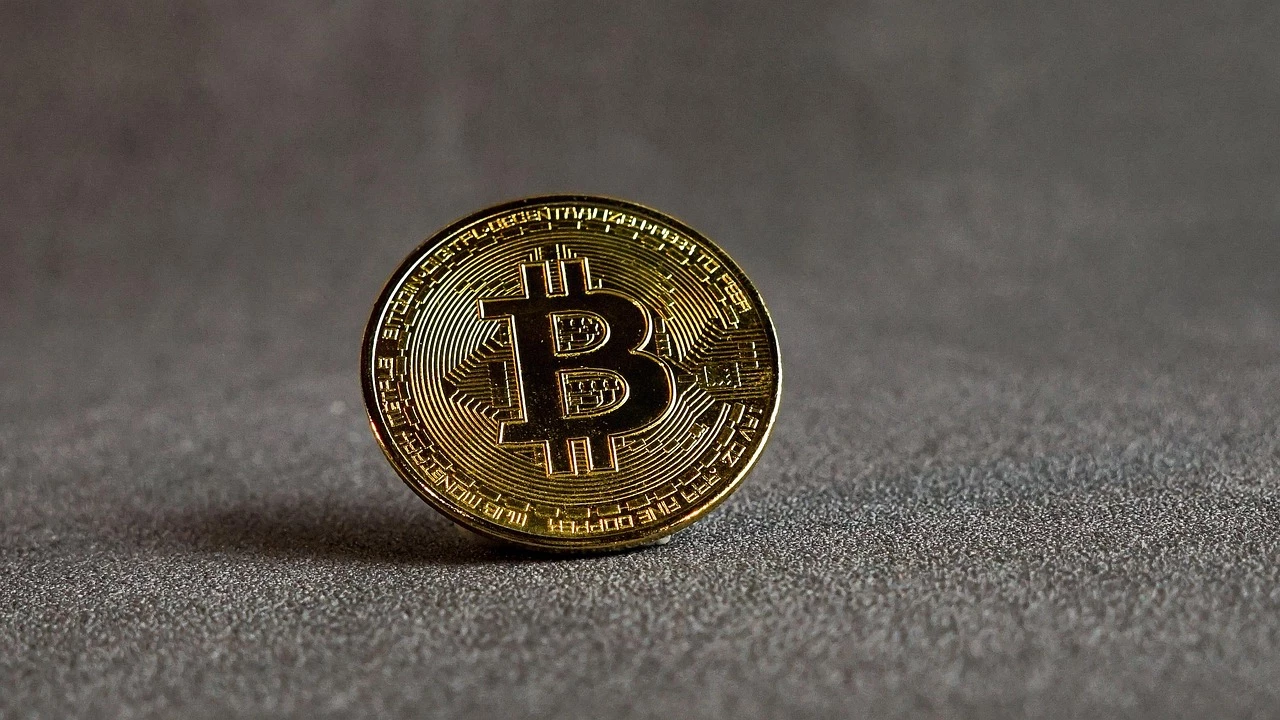
Revolutionizing DeFi: The Rise of Tokenized Stocks
This article covers KULA and related crypto trends with practical context. In recent years, decentralized finance (DeFi) has gained significant traction, reshaping how individuals interact with financial markets. One of the most exciting innovations within this space is the emergence of tokenized stocks, which blend traditional equity with blockchain technology. These digital assets not only provide liquidity but also democratize access to stock markets, allowing a broader audience to invest in fractional shares of their favorite companies.
This guide gives you a concise, actionable overview of the topic and why it matters now.
What Are Tokenized Stocks?
Definition and Functionality
Tokenized stocks are digital representations of traditional equities on a blockchain. Each token corresponds to a specific share of a company, allowing investors to buy, sell, and trade these assets just like regular stocks. The primary advantage is the ability to purchase fractional shares, which lowers the barrier to entry for retail investors who may not have the capital to buy whole shares of expensive stocks.
Benefits of Tokenized Stocks
Tokenized stocks offer several benefits over traditional stock trading. Firstly, they operate 24/7, enabling trading at any time, unlike conventional markets. Additionally, these tokens can be programmed with smart contracts, automating dividend payments and voting rights. This increased efficiency reduces transaction costs and enhances liquidity, making it easier for investors to enter and exit positions.
The Impact on the DeFi Ecosystem
Increased Liquidity and Market Access
By tokenizing stocks, DeFi platforms can attract a broader user base, leading to increased liquidity. This influx can enhance price stability and create a more robust trading environment. Investors from regions with limited access to financial markets can now participate in global equity markets, fostering inclusivity and innovation.
Challenges and Risks
Despite their advantages, tokenized stocks also face challenges. Regulatory scrutiny is one major concern, as the legal framework around these assets is still evolving. Investors must be aware of the potential for fraud and lack of consumer protections that traditional markets offer. Furthermore, technological vulnerabilities can expose investors to risks associated with hacking and smart contract failures.
Real-World Applications and Success Stories
Companies Leading the Charge
Several platforms are pioneering the tokenization of stocks. For instance, companies like Securitize and Ondo have started offering tokenized versions of popular stocks and ETFs, allowing investors to trade them on various blockchain networks. These initiatives are not only demonstrating the feasibility of tokenized stocks but also attracting institutional interest in the DeFi space.
Case Studies in Tokenization
One notable example is the tokenization of Tesla shares, which allows investors to trade fractions of the stock on a blockchain. This approach has garnered attention for providing retail investors with greater access to high-value stocks, thereby democratizing investment opportunities.
Practical Considerations
What to watch
Focus on costs, liquidity, security, and user experience.
Most outcomes in Revolutionizing DeFi: The Rise of Tokenized Stocks come from repeatable systems. Define assumptions, risks, invalidation points, and a recheck cadence. This habit beats narratives. Use KULA as a lens, but let decisions follow current data, not hype. Clarity in scope and metrics keeps teams aligned in Revolutionizing DeFi: The Rise of Tokenized Stocks. Write crisp definitions of done, instrument the path to green, and audit dependencies. Small, testable changes lower risk and speed up feedback. Builders who last in Revolutionizing DeFi: The Rise of Tokenized Stocks do unglamorous work. Document edge cases, measure latency, track fees and liquidity, and review error budgets. Discipline compounds faster than hot takes. Treat KULA as one variable in a wider model. Focus on liquidity, counterparty risk, and execution quality in Revolutionizing DeFi: The Rise of Tokenized Stocks. Prefer clear fee schedules and avoid hidden slippage. When uncertainty rises, reduce position size and extend review intervals. Operating in Revolutionizing DeFi: The Rise of Tokenized Stocks benefits from early telemetry and automated dashboards. Transparency reduces rework and panic moves. When KULA shifts, context is already captured, so you can adjust calmly instead of reacting late.
Operating in Revolutionizing DeFi: The Rise of Tokenized Stocks benefits from early telemetry and automated dashboards. Transparency reduces rework and panic moves. When KULA shifts, context is already captured, so you can adjust calmly instead of reacting late. Most outcomes in Revolutionizing DeFi: The Rise of Tokenized Stocks come from repeatable systems. Define assumptions, risks, invalidation points, and a recheck cadence. This habit beats narratives. Use KULA as a lens, but let decisions follow current data, not hype. Focus on liquidity, counterparty risk, and execution quality in Revolutionizing DeFi: The Rise of Tokenized Stocks. Prefer clear fee schedules and avoid hidden slippage. When uncertainty rises, reduce position size and extend review intervals.
Focus on liquidity, counterparty risk, and execution quality in Revolutionizing DeFi: The Rise of Tokenized Stocks. Prefer clear fee schedules and avoid hidden slippage. When uncertainty rises, reduce position size and extend review intervals. Most outcomes in Revolutionizing DeFi: The Rise of Tokenized Stocks come from repeatable systems. Define assumptions, risks, invalidation points, and a recheck cadence. This habit beats narratives. Use KULA as a lens, but let decisions follow current data, not hype. Builders who last in Revolutionizing DeFi: The Rise of Tokenized Stocks do unglamorous work. Document edge cases, measure latency, track fees and liquidity, and review error budgets. Discipline compounds faster than hot takes. Treat KULA as one variable in a wider model.
Key Takeaways
- Tokenized stocks represent a significant evolution in the investment landscape, merging blockchain technology with traditional equities.
- These digital assets allow for fractional ownership, lowering the barrier for retail investors.
- Tokenized stocks can be traded 24/7, providing flexibility that traditional markets do not offer.
- Smart contracts enhance the functionality of tokenized stocks, automating processes like dividend payments.
- Despite their advantages, regulatory challenges remain a significant hurdle for tokenized stocks.
- Investors should be aware of the risks associated with technological vulnerabilities and fraud in the DeFi space.
Stay informed about the latest trends in DeFi and tokenization. Subscribe to our newsletter for insights and updates!