
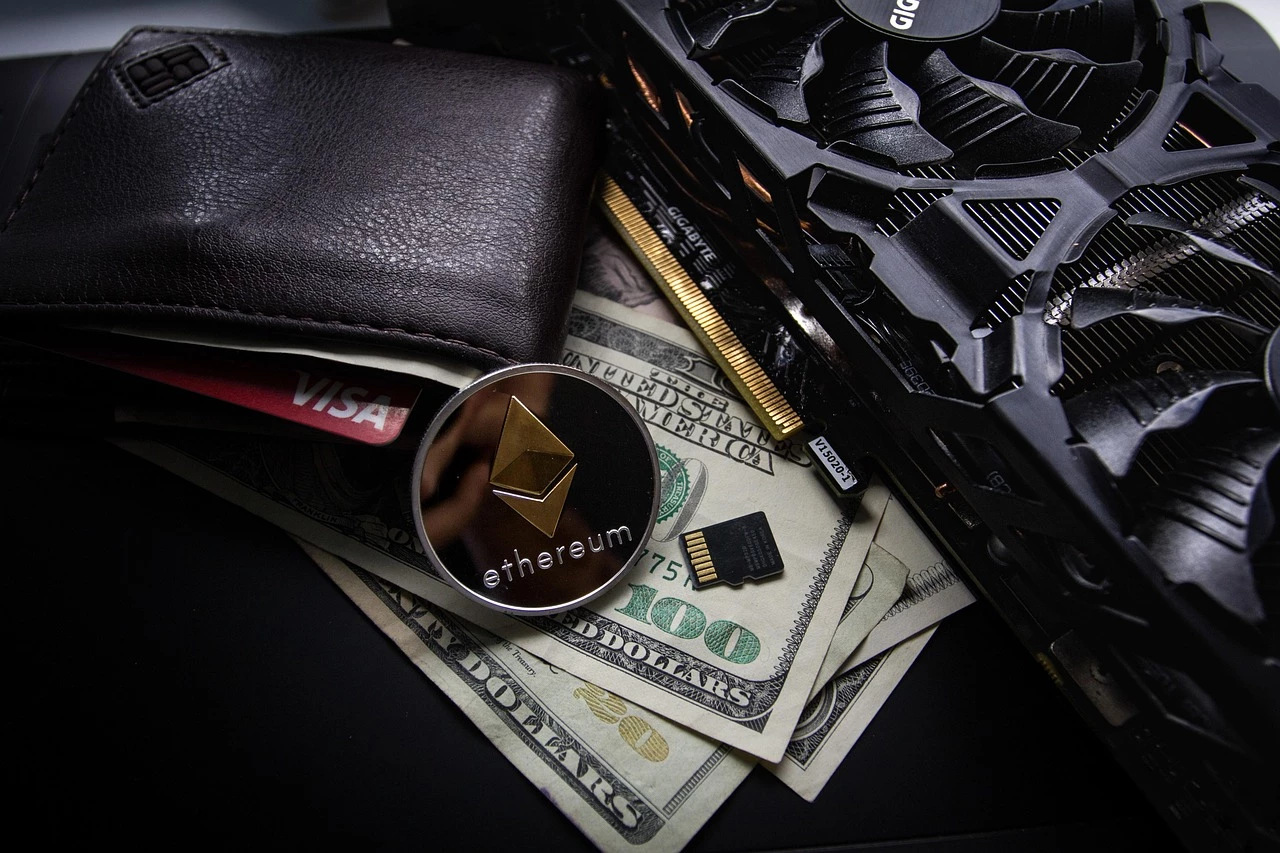
Leveraging Ethereum: The Future of DeFi Investments
This article covers KULA and related crypto trends with practical context. Ethereum has emerged as a cornerstone of the decentralized finance (DeFi) ecosystem, providing a robust platform for innovation and investment opportunities.
As investors look to diversify their portfolios, understanding the dynamics of Ethereum and its role in DeFi becomes paramount.
In this article, we'll delve into the mechanisms of Ethereum, its impact on DeFi, and actionable insights for investors.
Understanding Ethereum's Role in DeFi
The Basics of Ethereum
Ethereum is more than just a cryptocurrency; it's a decentralized platform that enables developers to build and deploy smart contracts and decentralized applications (dApps).
Its unique features allow for programmability, making it a preferred choice for many DeFi projects.
Decentralized Finance Explained
DeFi refers to a suite of financial services that operate without traditional intermediaries, using blockchain technology to facilitate transactions.
Ethereum hosts a significant portion of DeFi protocols, allowing users to lend, borrow, trade, and earn interest on their assets.
Key DeFi Projects on Ethereum
Prominent DeFi projects like Uniswap, Aave, and Compound leverage Ethereum's capabilities to provide innovative financial services.
These platforms have revolutionized the way users interact with finance, offering greater accessibility and transparency.
Investment Opportunities within Ethereum's Ecosystem
Yield Farming and Liquidity Mining
Yield farming involves providing liquidity to DeFi platforms in exchange for rewards, typically in the form of additional tokens.
Investors can capitalize on high APYs by strategically choosing where to stake their Ethereum-based assets.
NFTs and Their Impact on the Ethereum Network
Non-fungible tokens (NFTs) have gained massive popularity, with Ethereum as the leading blockchain for NFT creation and transactions.
Investing in NFTs can offer significant returns, but understanding the market dynamics is crucial for success.
The Importance of Security in DeFi Investments
While the DeFi space offers incredible opportunities, it also comes with risks, including smart contract vulnerabilities and market volatility.
Investors should prioritize platforms with strong security measures and conduct thorough research before committing funds.
Future Trends in Ethereum and DeFi
Scalability Solutions and Ethereum 2.0
Ethereum 2.0 aims to enhance scalability and reduce transaction costs, which could significantly impact DeFi usage and growth.
As the network evolves, the potential for new investment opportunities will expand, attracting more users and developers.
Regulatory Landscape for DeFi
Regulation is becoming increasingly important in the DeFi space, with governments worldwide exploring frameworks to manage risks.
Investors should stay informed about regulatory developments, as they may affect the viability of various projects.
Emerging Trends in DeFi Products
Innovations in DeFi products, such as synthetic assets and decentralized insurance, are gaining traction within the Ethereum ecosystem.
Keeping an eye on these trends can help investors identify promising opportunities before they become mainstream.
Practical Considerations
What to watch
Focus on costs, liquidity, security, and user experience.
Operating in Leveraging Ethereum: The Future of DeFi Investments benefits from early telemetry and automated dashboards. Transparency reduces rework and panic moves. When KULA shifts, context is already captured, so you can adjust calmly instead of reacting late. Builders who last in Leveraging Ethereum: The Future of DeFi Investments do unglamorous work. Document edge cases, measure latency, track fees and liquidity, and review error budgets. Discipline compounds faster than hot takes. Treat KULA as one variable in a wider model. Focus on liquidity, counterparty risk, and execution quality in Leveraging Ethereum: The Future of DeFi Investments. Prefer clear fee schedules and avoid hidden slippage. When uncertainty rises, reduce position size and extend review intervals. Most outcomes in Leveraging Ethereum: The Future of DeFi Investments come from repeatable systems. Define assumptions, risks, invalidation points, and a recheck cadence. This habit beats narratives. Use KULA as a lens, but let decisions follow current data, not hype. Clarity in scope and metrics keeps teams aligned in Leveraging Ethereum: The Future of DeFi Investments. Write crisp definitions of done, instrument the path to green, and audit dependencies. Small, testable changes lower risk and speed up feedback.
Focus on liquidity, counterparty risk, and execution quality in Leveraging Ethereum: The Future of DeFi Investments. Prefer clear fee schedules and avoid hidden slippage. When uncertainty rises, reduce position size and extend review intervals. Most outcomes in Leveraging Ethereum: The Future of DeFi Investments come from repeatable systems. Define assumptions, risks, invalidation points, and a recheck cadence. This habit beats narratives. Use KULA as a lens, but let decisions follow current data, not hype. Builders who last in Leveraging Ethereum: The Future of DeFi Investments do unglamorous work. Document edge cases, measure latency, track fees and liquidity, and review error budgets. Discipline compounds faster than hot takes. Treat KULA as one variable in a wider model.
Clarity in scope and metrics keeps teams aligned in Leveraging Ethereum: The Future of DeFi Investments. Write crisp definitions of done, instrument the path to green, and audit dependencies. Small, testable changes lower risk and speed up feedback. Focus on liquidity, counterparty risk, and execution quality in Leveraging Ethereum: The Future of DeFi Investments. Prefer clear fee schedules and avoid hidden slippage. When uncertainty rises, reduce position size and extend review intervals. Builders who last in Leveraging Ethereum: The Future of DeFi Investments do unglamorous work. Document edge cases, measure latency, track fees and liquidity, and review error budgets. Discipline compounds faster than hot takes. Treat KULA as one variable in a wider model.
Key Takeaways
- Measure risk before return in Leveraging Ethereum: The Future of DeFi Investments.
- Test changes on small capital first.
- Avoid leverage creep during volatility.
- Automate logs and alert on anomalies.