
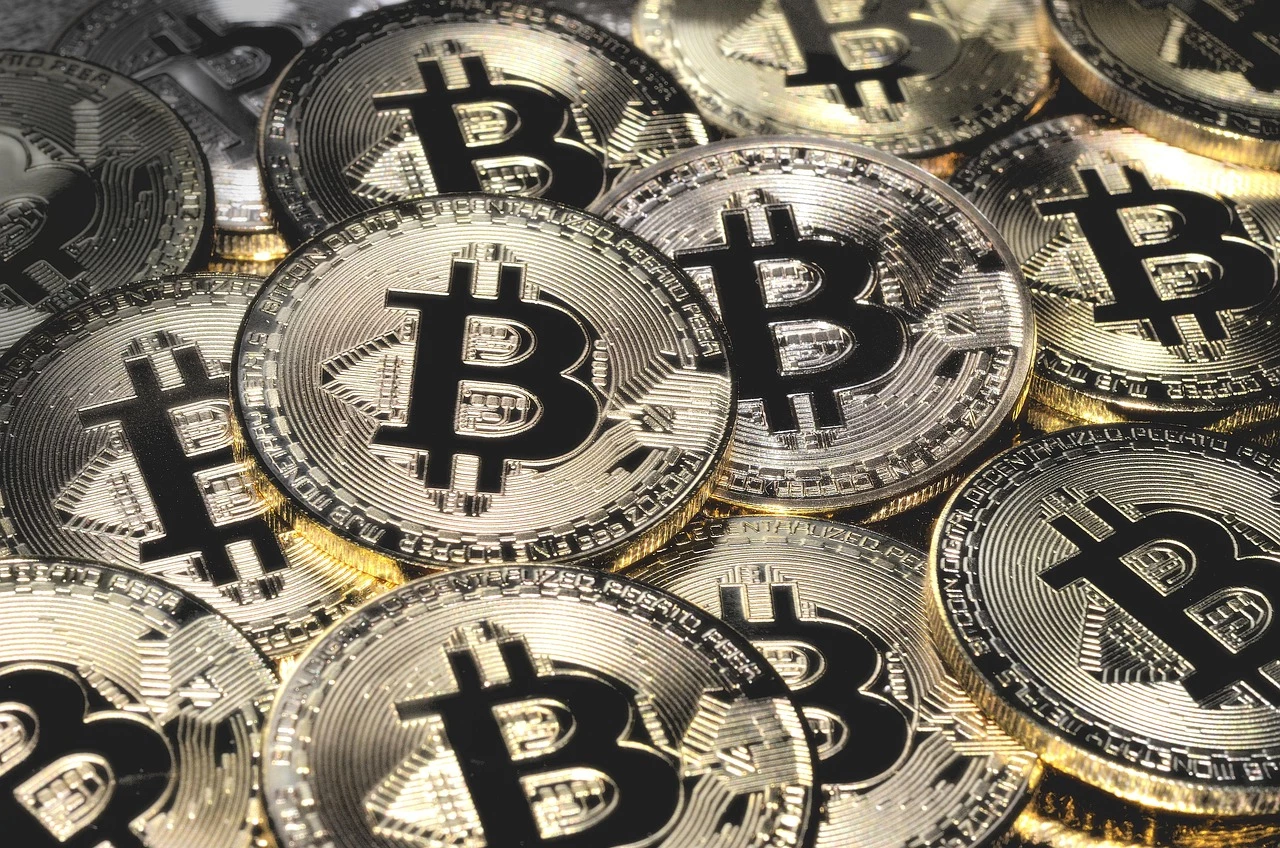
Institutional Interest in Crypto: Trends and Insights for 2023
This article covers KULA and related crypto trends with practical context. As the cryptocurrency landscape evolves, institutional interest has surged, significantly impacting market dynamics.
From innovative ETFs to substantial staking initiatives, institutions are increasingly recognizing the potential of digital assets.
This article explores recent trends in institutional investments in crypto, highlighting key developments and what they mean for the future.
The Rise of Institutional Crypto Investments
ETFs and Their Impact on Market Accessibility
Exchange-Traded Funds (ETFs) have emerged as a crucial vehicle for institutional investors looking to gain exposure to cryptocurrencies. The introduction of products like the Bitwise SOL staking ETF, which debuted with $223 million, signals a growing appetite among institutional players for diversified crypto investment options.
ETFs provide a familiar structure for traditional investors, allowing them to invest in crypto without the complexities of managing wallets or private keys. This ease of access is likely to drive further adoption among institutions.
Staking as a Strategy for Yield Generation
Staking has become a significant trend in the crypto space, particularly among institutions. Companies like Coinbase and Figment are expanding their staking services beyond Ethereum, catering to a wider range of digital assets. This shift not only enhances the yield generation capabilities for institutional investors but also contributes to the overall security and stability of blockchain networks.
By participating in staking, institutions can earn rewards while supporting network operations, creating a win-win scenario that aligns their financial goals with the health of the blockchain ecosystem.
Innovative Use Cases in Crypto
Tokenization of Real Estate
One of the most exciting developments in the crypto space is the tokenization of real estate. Platforms like Chainlink underpin initiatives that aim to tokenize vast real estate assets, such as the $240 billion Balcony project. Tokenization allows for fractional ownership, making real estate investments more accessible to a broader audience.
This trend is particularly appealing to institutional investors seeking diversification and new revenue streams. By leveraging blockchain technology, the real estate market can become more liquid, transparent, and efficient.
The Role of Traditional Financial Institutions
Financial giants are beginning to embrace cryptocurrency, with companies like Western Union planning to launch stablecoins on platforms like Solana. This move signifies a recognition of crypto's potential to streamline cross-border transactions and reduce costs. As traditional institutions venture into the crypto space, their involvement is likely to lend further legitimacy to the market and attract more investors.
Moreover, the growing interest from wealth managers indicates a broader acceptance of digital assets among high-net-worth individuals, which could accelerate mainstream adoption.
Navigating Regulatory Challenges
Global Perspectives on Crypto Regulations
As institutional interest in crypto grows, so does the scrutiny from regulators worldwide. The recent motion by the French government to embrace Bitcoin and cryptocurrencies reflects a shift towards more favorable regulatory environments. Such developments can create a clearer framework for institutions looking to navigate the complexities of crypto investments.
However, regulatory uncertainty remains a concern. Institutions must stay informed about evolving regulations to mitigate risks and ensure compliance while pursuing opportunities in the crypto market.
Balancing Innovation and Compliance
Institutions need to strike a balance between innovation and compliance in the rapidly changing crypto landscape. Engaging with regulators and advocating for sensible policies can help shape a favorable environment for crypto investments. As seen in various jurisdictions, proactive engagement can lead to regulatory clarity that benefits both institutions and the broader market.
Furthermore, adopting best practices in security and governance will be essential for institutions looking to build trust and credibility in the crypto space.
Practical Considerations
What to watch
Focus on costs, liquidity, security, and user experience.
Operating in Institutional Interest in Crypto: Trends and Insights for 2023 benefits from early telemetry and automated dashboards. Transparency reduces rework and panic moves. When KULA shifts, context is already captured, so you can adjust calmly instead of reacting late. Most outcomes in Institutional Interest in Crypto: Trends and Insights for 2023 come from repeatable systems. Define assumptions, risks, invalidation points, and a recheck cadence. This habit beats narratives. Use KULA as a lens, but let decisions follow current data, not hype. Clarity in scope and metrics keeps teams aligned in Institutional Interest in Crypto: Trends and Insights for 2023. Write crisp definitions of done, instrument the path to green, and audit dependencies. Small, testable changes lower risk and speed up feedback. Builders who last in Institutional Interest in Crypto: Trends and Insights for 2023 do unglamorous work. Document edge cases, measure latency, track fees and liquidity, and review error budgets. Discipline compounds faster than hot takes. Treat KULA as one variable in a wider model.
Focus on liquidity, counterparty risk, and execution quality in Institutional Interest in Crypto: Trends and Insights for 2023. Prefer clear fee schedules and avoid hidden slippage. When uncertainty rises, reduce position size and extend review intervals. Clarity in scope and metrics keeps teams aligned in Institutional Interest in Crypto: Trends and Insights for 2023. Write crisp definitions of done, instrument the path to green, and audit dependencies. Small, testable changes lower risk and speed up feedback. Most outcomes in Institutional Interest in Crypto: Trends and Insights for 2023 come from repeatable systems. Define assumptions, risks, invalidation points, and a recheck cadence. This habit beats narratives. Use KULA as a lens, but let decisions follow current data, not hype.
Key Takeaways
- Measure risk before return in Institutional Interest in Crypto: Trends and Insights for 2023.
- Avoid leverage creep during volatility.
- Prefer liquid venues and clear fees.
- Size positions small and review weekly.