
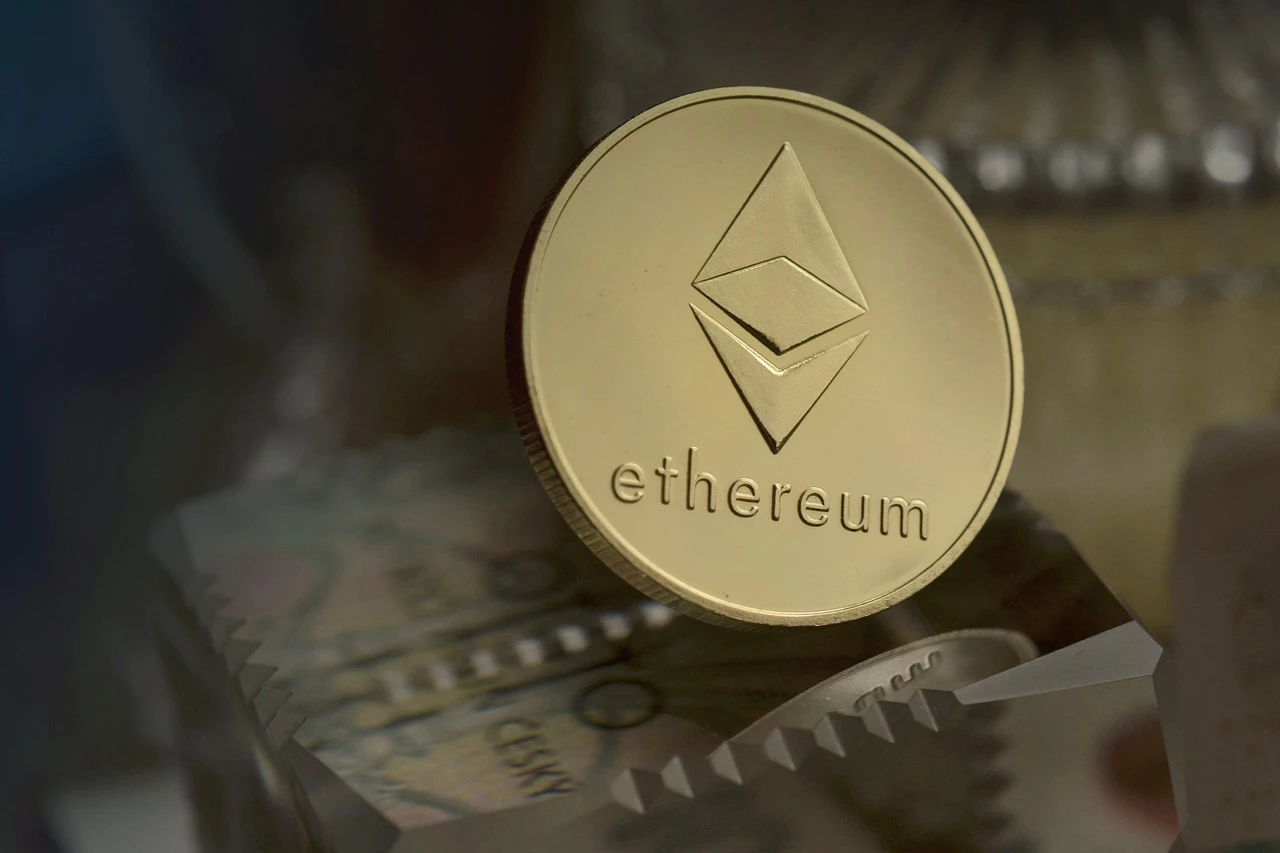
Innovative Use Cases in Blockchain: Beyond Cryptocurrency
Blockchain technology has evolved far beyond its initial use as the backbone of cryptocurrencies like Bitcoin and Ethereum. Today, it is being adopted across various sectors, showcasing its potential to revolutionize industries.
From supply chain management to healthcare, blockchain offers solutions that enhance transparency, security, and efficiency. This article delves into some of the most promising and innovative use cases of blockchain technology, illustrating how it is reshaping the landscape of business and governance.
As we explore these transformative applications, it becomes clear that the future of blockchain is not just about digital currencies but a broader array of functionalities that can enhance everyday life.
Supply Chain Management: Enhancing Transparency and Efficiency
Real-Time Tracking of Goods
Blockchain allows for real-time tracking of products as they move through the supply chain. This transparency can reduce fraud, ensure authenticity, and streamline logistics. Companies can monitor the journey of goods from the manufacturer to the retailer, providing stakeholders with invaluable insights.
For example, retailers can verify the origin of food products, ensuring they meet safety standards and ethical sourcing requirements.
Smart Contracts for Automation
Smart contracts on blockchain platforms can automate various processes within the supply chain. These self-executing contracts trigger actions based on predefined conditions, reducing the need for intermediaries and enhancing operational efficiency. For instance, a smart contract could automatically release payment once goods are delivered and verified, minimizing delays and disputes.
Healthcare: Securing Patient Data and Streamlining Processes
Immutable Medical Records
In the healthcare sector, blockchain can secure patient data, ensuring it is immutable and accessible only to authorized personnel. This can significantly improve patient privacy and trust, as patients can control who has access to their information.
Moreover, the ability to share verified medical records across different healthcare providers can enhance coordination of care, reduce errors, and facilitate better health outcomes.
Supply Chain Integrity for Pharmaceuticals
Blockchain can also track pharmaceuticals throughout the supply chain, helping to combat counterfeit drugs. By providing a transparent ledger of transactions, stakeholders can verify the authenticity of medications, ensuring that patients receive safe and effective treatments.
Finance: Beyond Cryptocurrencies
Decentralized Finance (DeFi) Innovations
DeFi platforms leverage blockchain to offer financial services without traditional intermediaries. This includes lending, borrowing, and trading, all executed through smart contracts. DeFi democratizes access to financial resources, allowing anyone with an internet connection to participate.
For instance, users can earn interest on their crypto holdings by lending them out, or access loans without going through lengthy application processes.
Cross-Border Payments and Remittances
Blockchain technology can facilitate faster and cheaper cross-border transactions. By eliminating the need for banks and other intermediaries, blockchain can reduce transaction fees and settlement times, making it an attractive option for remittances and international trade.
Digital Identity: Empowering Individuals
Self-Sovereign Identity Solutions
Blockchain enables the creation of self-sovereign identities, allowing individuals to own and control their personal data. This shifts the power dynamics away from centralized authorities, granting users the ability to share only what they choose with trusted entities.
For example, individuals can verify their identity for services like banking or healthcare without the need to repeatedly provide sensitive information, enhancing privacy and security.
Verification of Credentials
Educational institutions and employers can use blockchain to verify credentials easily. This can reduce fraud and streamline the hiring process, as candidates can provide verifiable evidence of their qualifications without the need for extensive background checks.
Energy Sector: Promoting Sustainability
Peer-to-Peer Energy Trading
Blockchain can enable peer-to-peer energy trading, allowing consumers to buy and sell excess energy generated from renewable sources. This decentralized approach promotes sustainability and can lead to more efficient energy distribution.
For instance, homeowners with solar panels can sell their surplus energy to neighbors, creating a community-based energy economy.
Tracking Carbon Credits
Blockchain technology can enhance the transparency and integrity of carbon credit trading. By providing a secure and immutable record of transactions, companies can ensure that their carbon credits are legitimate and traceable, promoting accountability in sustainability efforts.
Conclusion: The Expanding Horizons of Blockchain
A Multi-Faceted Technology
As we have explored, blockchain technology holds immense potential beyond cryptocurrency. Its applications in supply chain management, healthcare, finance, digital identity, and energy illustrate its versatility and transformative power.
The ongoing evolution of blockchain will likely unveil even more innovative use cases, driving efficiency, transparency, and trust across various industries.
Builders who last in Innovative Use Cases in Blockchain: Beyond Cryptocurrency do unglamorous work. Document edge cases, measure latency, track fees and liquidity, and review error budgets. Discipline compounds faster than hot takes. Treat KULA as one variable in a wider model. Clarity in scope and metrics keeps teams aligned in Innovative Use Cases in Blockchain: Beyond Cryptocurrency. Write crisp definitions of done, instrument the path to green, and audit dependencies. Small, testable changes lower risk and speed up feedback. Focus on liquidity, counterparty risk, and execution quality in Innovative Use Cases in Blockchain: Beyond Cryptocurrency. Prefer clear fee schedules and avoid hidden slippage. When uncertainty rises, reduce position size and extend review intervals.
Key Takeaways
- Blockchain technology is revolutionizing industries beyond cryptocurrencies.
- In supply chains, it enhances transparency and automates processes with smart contracts.
- Healthcare applications focus on securing patient data and combating counterfeit drugs.
- DeFi innovations democratize access to financial services and streamline transactions.
- Self-sovereign identities empower individuals to control their personal data.
- Blockchain promotes sustainability in the energy sector through peer-to-peer trading.
Discover more about how blockchain technology is shaping the future of various industries and stay updated with the latest developments.