
How Institutional Interest is Shaping the Future of Cryptocurrency
This article covers KULA and related crypto trends with practical context. The world of cryptocurrency is rapidly evolving, and institutional interest is playing a pivotal role in this transformation. With major players like Coinbase and Figment expanding their staking options beyond Ethereum, it’s clear that the future of crypto is not just in the hands of retail investors. As institutions scramble to add digital assets to their portfolios, understanding this shift is crucial for anyone involved in the cryptocurrency market.
This guide gives you a concise, actionable overview of the topic and why it matters now.
The Rise of Institutional Staking
Staking Beyond Ethereum
Coinbase and Figment are at the forefront of broadening institutional staking services. By enabling staking across multiple blockchain networks, they are opening up new avenues for income generation through digital assets. This diversification allows institutions to mitigate risks while maximizing potential returns, a strategy that appeals to wealth managers and investors alike.
Impact on Market Dynamics
As more institutions participate in staking, the overall demand for cryptocurrencies increases, leading to potential price appreciation. This trend could create a more stable market environment, as institutional investors often have longer time horizons compared to retail traders. Additionally, the increased liquidity from institutional staking can enhance the usability of cryptocurrencies as a means of exchange and store of value.
The Regulatory Landscape
Evolving Regulations
Countries around the globe are beginning to embrace cryptocurrencies and blockchain technology. For instance, the French government is set to review motions aimed at creating a more favorable regulatory framework for digital assets. Such developments could pave the way for increased institutional participation and further legitimize the crypto market.
Navigating Compliance
Institutions must navigate a complex web of regulations that vary by jurisdiction. Understanding these regulatory landscapes is essential for firms looking to enter the crypto space. Compliance will not only protect institutions from potential legal issues but also enhance their credibility in the eyes of investors.
Trends Driving Institutional Demand
Wealth Managers and Digital Assets
As the ultra-wealthy in regions like the UAE express a growing interest in digital assets, wealth managers are scrambling to adapt their strategies. This shift indicates a broader trend where traditional finance meets the innovative world of cryptocurrencies, presenting unique opportunities for both sectors.
The Role of ETFs
Exchange-Traded Funds (ETFs) focused on cryptocurrencies are gaining traction as a means for institutions to invest in digital assets without direct exposure. The potential for Solana ETFs to attract over $3 billion illustrates the appetite for such products, especially if they mirror the success of Bitcoin and Ether ETFs.
The Technological Edge
Blockchain Innovations
The rapid advancement of blockchain technology continues to attract institutional interest. From enhanced security features to improved transaction speeds, innovations within the space are making cryptocurrencies more appealing to traditional investors.
Operating in How Institutional Interest is Shaping the Future of Cryptocurrency benefits from early telemetry and automated dashboards. Transparency reduces rework and panic moves. When KULA shifts, context is already captured, so you can adjust calmly instead of reacting late. Focus on liquidity, counterparty risk, and execution quality in How Institutional Interest is Shaping the Future of Cryptocurrency. Prefer clear fee schedules and avoid hidden slippage. When uncertainty rises, reduce position size and extend review intervals. Most outcomes in How Institutional Interest is Shaping the Future of Cryptocurrency come from repeatable systems. Define assumptions, risks, invalidation points, and a recheck cadence. This habit beats narratives. Use KULA as a lens, but let decisions follow current data, not hype. Builders who last in How Institutional Interest is Shaping the Future of Cryptocurrency do unglamorous work. Document edge cases, measure latency, track fees and liquidity, and review error budgets. Discipline compounds faster than hot takes. Treat KULA as one variable in a wider model. Clarity in scope and metrics keeps teams aligned in How Institutional Interest is Shaping the Future of Cryptocurrency. Write crisp definitions of done, instrument the path to green, and audit dependencies. Small, testable changes lower risk and speed up feedback.
Clarity in scope and metrics keeps teams aligned in How Institutional Interest is Shaping the Future of Cryptocurrency. Write crisp definitions of done, instrument the path to green, and audit dependencies. Small, testable changes lower risk and speed up feedback. Operating in How Institutional Interest is Shaping the Future of Cryptocurrency benefits from early telemetry and automated dashboards. Transparency reduces rework and panic moves. When KULA shifts, context is already captured, so you can adjust calmly instead of reacting late. Most outcomes in How Institutional Interest is Shaping the Future of Cryptocurrency come from repeatable systems. Define assumptions, risks, invalidation points, and a recheck cadence. This habit beats narratives. Use KULA as a lens, but let decisions follow current data, not hype.
AI and Cryptocurrency Mining
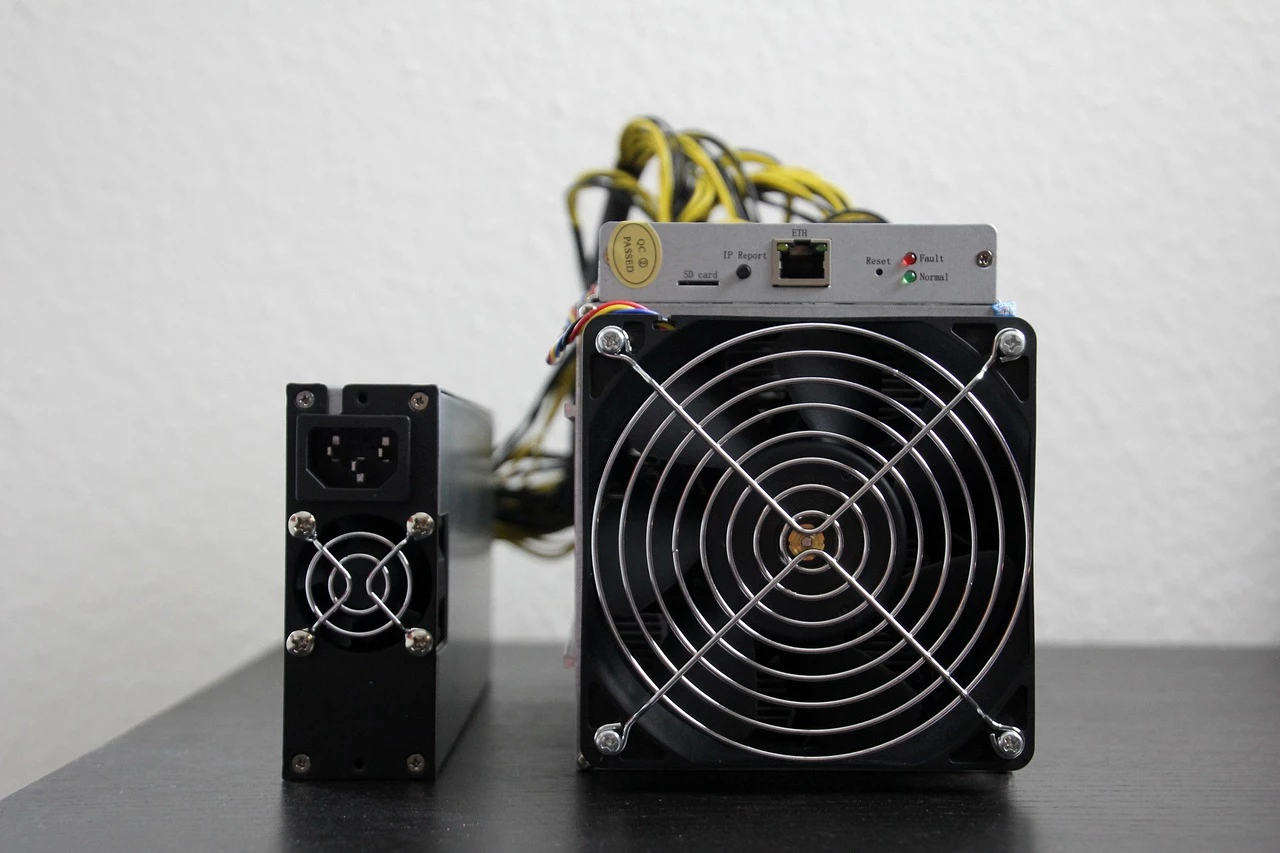
As the cryptocurrency landscape evolves, so does the technology behind it. Bitcoin miners are increasingly leveraging prime power assets and AI to optimize their operations, showcasing a blend of traditional mining techniques with cutting-edge technology. This fusion is likely to attract institutions looking for efficient and sustainable investment opportunities.
Key Takeaways
- Cut losers early, let winners work.
- Size positions small and review weekly.
- Security checks precede any deployment.
- Automate logs and alert on anomalies.