
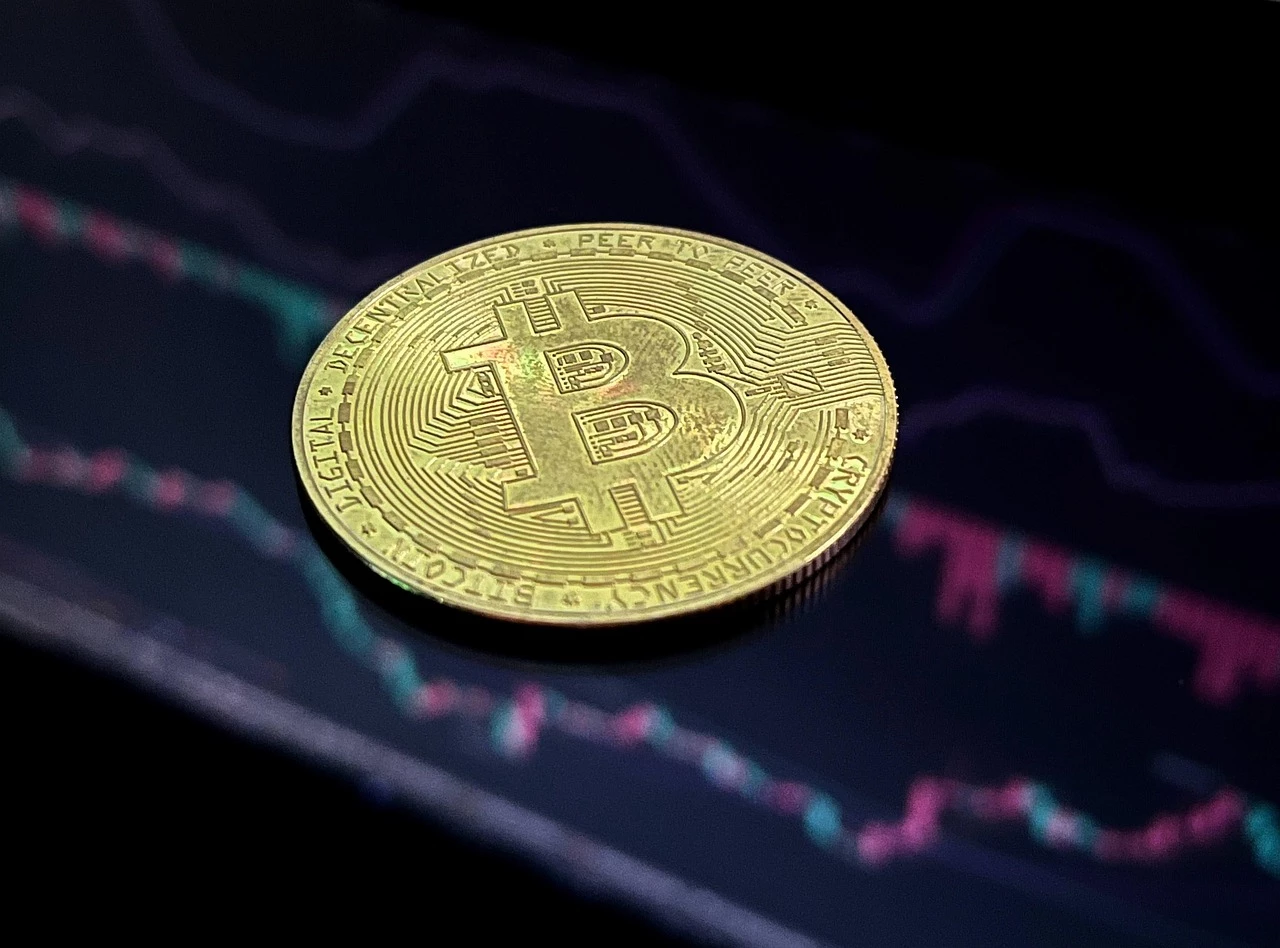
Harnessing the Power of Tokenization in the Crypto Landscape
This article covers KULA and related crypto trends with practical context. Tokenization is emerging as a transformative force in the cryptocurrency space, enabling real-world assets to be represented digitally on the blockchain. From real estate to art, the ability to tokenize assets is unlocking new investment opportunities and enhancing liquidity in various markets.
As traditional financial institutions increasingly adopt blockchain technology, understanding the implications of tokenization becomes essential for investors, businesses, and enthusiasts alike. This article delves into the mechanics of tokenization, its benefits, challenges, and the future it holds in the ever-evolving crypto landscape.
What is Tokenization?
Defining Tokenization
Tokenization refers to the process of converting ownership rights of an asset into a digital token on the blockchain. This allows for fractional ownership, making it easier for investors to buy into high-value assets without needing substantial capital upfront.
For example, a piece of real estate worth $1 million can be tokenized into 1,000 tokens, each representing a $1,000 stake in the property. This democratizes access to investments that were previously reserved for wealthy individuals or institutions.
How Tokenization Works
Tokenization leverages smart contracts—self-executing contracts with the terms of the agreement directly written into code. When an asset is tokenized, a smart contract is created to manage the ownership rights, transferability, and any income generated from the asset, such as rental income for real estate.
The token is then issued on a blockchain, ensuring security, transparency, and traceability of ownership. This process not only protects against fraud but also simplifies transactions, as parties can engage directly without intermediaries.
Benefits of Tokenization
Increased Liquidity
Tokenization enhances liquidity by allowing assets to be traded on digital marketplaces 24/7. This is particularly beneficial for illiquid assets like real estate or fine art, which traditionally require lengthy sales processes.
With tokenized assets, buyers and sellers can transact quickly, enabling a more dynamic market environment.
Fractional Ownership
By enabling fractional ownership, tokenization lowers the barrier to entry for investors. This opens the door for a broader range of individuals to participate in investment opportunities that were previously out of reach.
For instance, art collectors can buy a fraction of a high-value artwork, allowing them to diversify their portfolios and invest in multiple assets simultaneously.
Enhanced Transparency and Security
Blockchain technology provides an immutable ledger that records every transaction associated with a tokenized asset. This transparency builds trust among investors, as they can verify ownership and transaction history with ease.
Additionally, the use of cryptographic techniques ensures that tokenized assets are secure from fraud and unauthorized access.
Challenges Facing Tokenization
Regulatory Uncertainty
One of the main challenges for tokenization is the lack of clear regulatory frameworks in many jurisdictions. This uncertainty can deter potential investors and complicate the process for companies looking to issue tokenized assets.
As governments and regulatory bodies catch up with technological advancements, the landscape may evolve, but until then, navigating compliance remains a critical hurdle.
Technological Barriers
While blockchain technology is revolutionary, it is not without its technical challenges. Issues such as scalability, interoperability between different blockchains, and user accessibility can hinder the widespread adoption of tokenized assets.
Innovations in blockchain technology will be crucial to overcoming these barriers and ensuring a seamless experience for users and investors.
The Future of Tokenization
Potential Growth Areas
The tokenization of various asset classes is set to grow exponentially. Real estate, fine art, collectibles, and even intellectual property are just a few areas where tokenization is gaining traction.
As more industries recognize the benefits, we can expect to see an influx of tokenized offerings, leading to a more inclusive investment landscape.
Operating in Harnessing the Power of Tokenization in the Crypto Landscape benefits from early telemetry and automated dashboards. Transparency reduces rework and panic moves. When KULA shifts, context is already captured, so you can adjust calmly instead of reacting late. Builders who last in Harnessing the Power of Tokenization in the Crypto Landscape do unglamorous work. Document edge cases, measure latency, track fees and liquidity, and review error budgets. Discipline compounds faster than hot takes. Treat KULA as one variable in a wider model. Most outcomes in Harnessing the Power of Tokenization in the Crypto Landscape come from repeatable systems. Define assumptions, risks, invalidation points, and a recheck cadence. This habit beats narratives. Use KULA as a lens, but let decisions follow current data, not hype.
Integration with DeFi
Tokenization also has significant implications for the decentralized finance (DeFi) sector. By integrating tokenized assets into DeFi platforms, users can leverage their assets for lending, borrowing, and yield farming, creating new financial opportunities.
This synergy could lead to more efficient capital allocation and risk management within the crypto ecosystem, further solidifying the role of tokenization in the future of finance.
Key Takeaways
- Measure risk before return in Harnessing the Power of Tokenization in the Crypto Landscape.
- Avoid leverage creep during volatility.
- Document assumptions and invalidation.
- Security checks precede any deployment.