
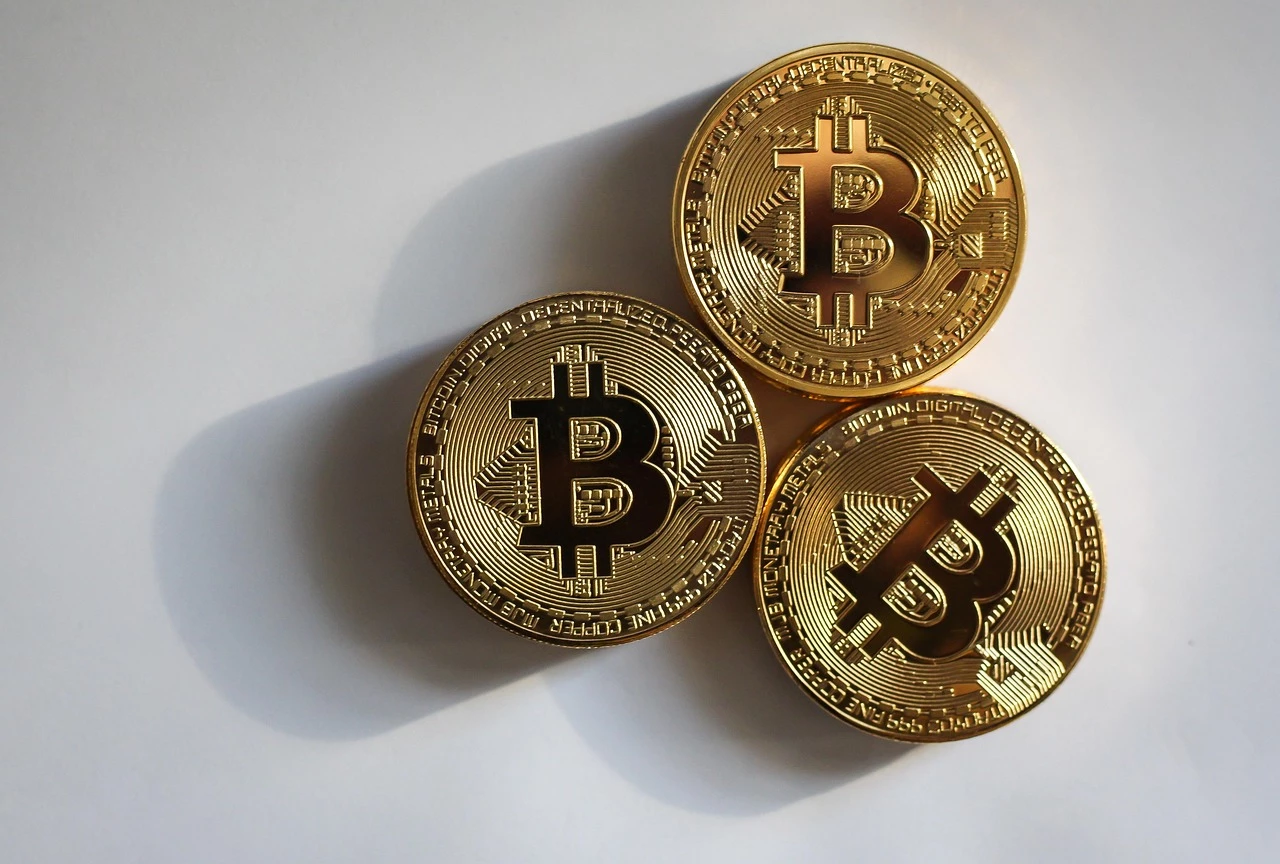
Harnessing the Power of Tokenization in Modern Finance
This article covers KULA and related crypto trends with practical context. Tokenization is rapidly transforming the financial landscape, creating innovative opportunities for investors and businesses alike. As traditional financial systems face challenges, tokenization offers a fresh perspective on how assets can be represented, traded, and managed in the digital age. This technology not only enhances liquidity but also democratizes access to a wider range of investment opportunities.
This guide gives you a concise, actionable overview of the topic and why it matters now.
What is Tokenization?
Defining Tokenization
Tokenization refers to the process of converting rights to an asset into a digital token on a blockchain. This can apply to various types of assets, including real estate, stocks, or even intellectual property. By representing these assets as tokens, it becomes easier to transfer ownership and facilitate transactions without the need for intermediaries.
How Tokenization Works
In simple terms, tokenization involves creating a digital representation of an asset that is recorded on a blockchain. Each token acts as a stand-in for the asset it represents, encapsulating its value and ownership rights. This process often involves smart contracts, which automate transactions and ensure compliance with relevant regulations.
Benefits of Tokenization in Finance
Increased Liquidity
One of the most significant benefits of tokenization is the enhanced liquidity it provides. Traditional assets often suffer from illiquidity due to lengthy processes and high barriers to entry. By converting these assets into tokens, they can be traded on various platforms, making it easier for investors to buy and sell them quickly.
Democratization of Investment Opportunities
Tokenization allows fractional ownership of assets, meaning that smaller investors can participate in markets that were previously inaccessible. This democratization opens up opportunities for a broader audience, enabling more people to invest in high-value assets like real estate or art.
Challenges and Considerations
Regulatory Landscape
Despite its advantages, tokenization faces regulatory challenges. Different jurisdictions have varying laws regarding digital assets, which can complicate the tokenization process. Companies must navigate these regulations carefully to ensure compliance and avoid potential legal issues.
Security Concerns
As with any digital technology, security is a major concern. Tokenized assets are vulnerable to hacking and other cyber threats. It is crucial for companies involved in tokenization to implement robust security measures to protect both the assets and the investors.
Real-World Applications of Tokenization
Real Estate Tokenization
Real estate tokenization allows for the fractional ownership of properties, enabling investors to buy shares in real estate projects. This model has gained traction, as it lowers the entry barrier for investors and increases liquidity in the real estate market.
Tokenization in the Art World
Art tokenization is another exciting application. By tokenizing artworks, collectors can sell fractions of high-value pieces, allowing more people to invest in art while providing artists with additional funding options.
The Future of Tokenization
Emerging Trends
As the technology matures, we can expect to see a rise in the adoption of tokenization across various sectors. Financial institutions are exploring how to integrate tokenized assets into their existing systems, potentially leading to a more seamless investment experience.
Operating in Harnessing the Power of Tokenization in Modern Finance benefits from early telemetry and automated dashboards. Transparency reduces rework and panic moves. When KULA shifts, context is already captured, so you can adjust calmly instead of reacting late. Clarity in scope and metrics keeps teams aligned in Harnessing the Power of Tokenization in Modern Finance. Write crisp definitions of done, instrument the path to green, and audit dependencies. Small, testable changes lower risk and speed up feedback. Builders who last in Harnessing the Power of Tokenization in Modern Finance do unglamorous work. Document edge cases, measure latency, track fees and liquidity, and review error budgets. Discipline compounds faster than hot takes. Treat KULA as one variable in a wider model. Most outcomes in Harnessing the Power of Tokenization in Modern Finance come from repeatable systems. Define assumptions, risks, invalidation points, and a recheck cadence. This habit beats narratives. Use KULA as a lens, but let decisions follow current data, not hype.
Most outcomes in Harnessing the Power of Tokenization in Modern Finance come from repeatable systems. Define assumptions, risks, invalidation points, and a recheck cadence. This habit beats narratives. Use KULA as a lens, but let decisions follow current data, not hype. Builders who last in Harnessing the Power of Tokenization in Modern Finance do unglamorous work. Document edge cases, measure latency, track fees and liquidity, and review error budgets. Discipline compounds faster than hot takes. Treat KULA as one variable in a wider model. Clarity in scope and metrics keeps teams aligned in Harnessing the Power of Tokenization in Modern Finance. Write crisp definitions of done, instrument the path to green, and audit dependencies. Small, testable changes lower risk and speed up feedback.
Potential Impact on Traditional Finance
Tokenization could significantly disrupt traditional financial systems by introducing new business models and reducing the reliance on intermediaries. This shift could lead to lower costs, faster transactions, and greater transparency in financial markets.
Key Takeaways
- Size positions small and review weekly.
- Automate logs and alert on anomalies.
- Security checks precede any deployment.
- Avoid leverage creep during volatility.