
Harnessing the Power of DeFi: A Deep Dive into Decentralized Finance Innovations
This article covers KULA and related crypto trends with practical context. Decentralized Finance (DeFi) is revolutionizing the traditional financial landscape by offering a range of innovative protocols and decentralized applications (dApps) that enable users to engage in financial transactions without intermediaries.
As the world increasingly embraces blockchain technology, DeFi stands out as a pivotal area attracting attention from both seasoned investors and newcomers alike. By leveraging smart contracts and decentralized platforms, users can access lending, borrowing, trading, and yield farming opportunities that were once confined to centralized institutions.
What is DeFi?
Defining DeFi and Its Importance
DeFi, short for Decentralized Finance, refers to a movement within the cryptocurrency ecosystem that aims to recreate traditional financial systems using blockchain technology. It encompasses a wide array of financial services, including lending, borrowing, trading, and insurance, all executed through decentralized protocols without the need for traditional banks or financial institutions.
The importance of DeFi lies in its ability to provide open access to financial services, especially in regions where traditional banking is limited or non-existent. By removing intermediaries, DeFi not only reduces costs but also increases efficiency, transparency, and security.
How DeFi Works
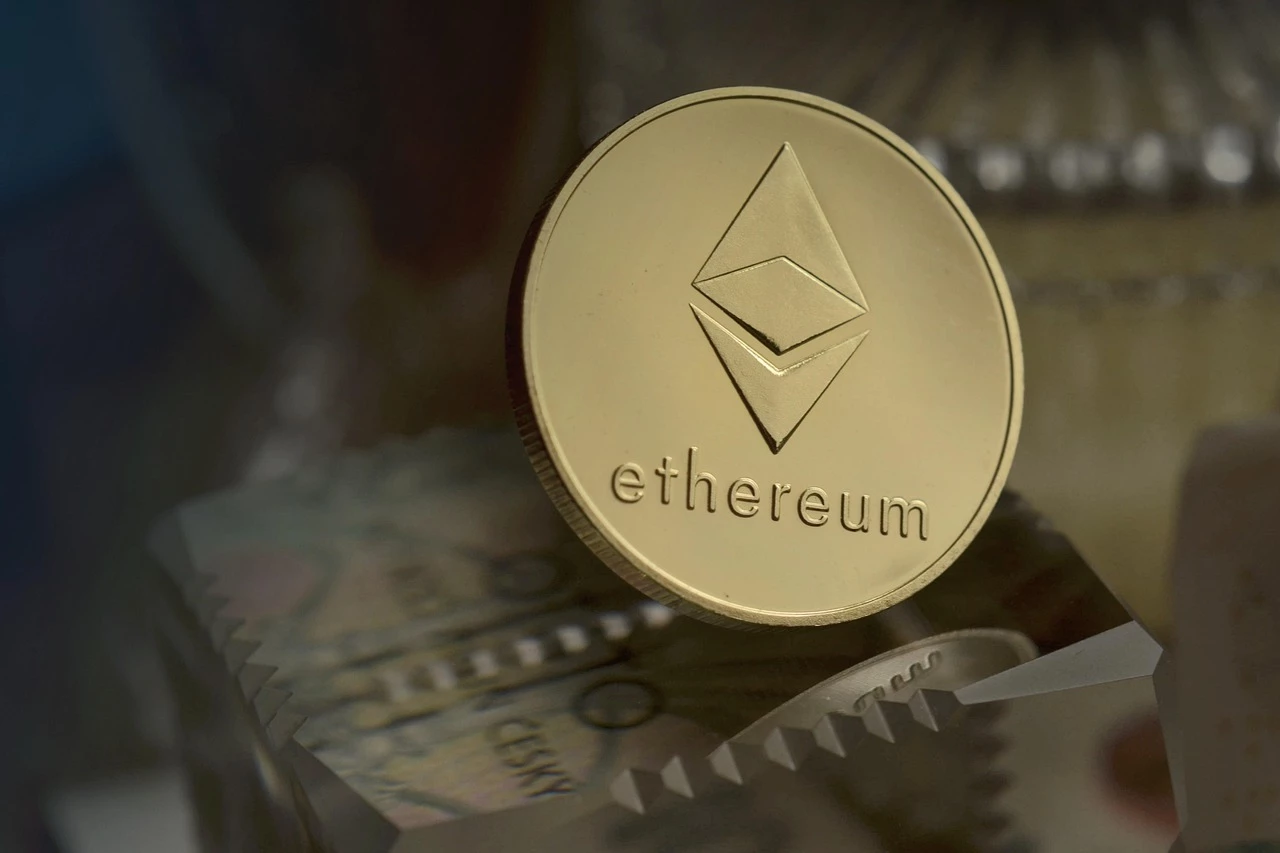
At the heart of DeFi are smart contracts, self-executing contracts with the terms of the agreement directly written into code. These contracts run on blockchain networks, primarily Ethereum, ensuring that transactions are secure and tamper-proof.
Users interact with DeFi applications through wallets, allowing them to lend, borrow, or trade assets directly on the blockchain. The use of automated market makers (AMMs) and liquidity pools enables users to provide liquidity in exchange for rewards, making participation in DeFi both accessible and potentially lucrative.
Key Components of DeFi
Decentralized Exchanges (DEXs)
Decentralized exchanges, or DEXs, facilitate peer-to-peer trading of cryptocurrencies without the need for a central authority. Unlike traditional exchanges, DEXs allow users to maintain control of their funds, reducing the risk of hacks and theft. Popular DEXs like Uniswap and SushiSwap enable users to swap tokens directly from their wallets, enhancing privacy and security.
The rise of DEXs has transformed how individuals trade assets, providing greater flexibility and lower fees compared to centralized platforms.
Lending and Borrowing Platforms
DeFi lending platforms allow users to lend their assets to others in exchange for interest, while borrowers can obtain loans without the need for credit checks. Protocols such as Aave and Compound have gained popularity, enabling users to earn interest on their cryptocurrency holdings while simultaneously providing liquidity to the market.
This decentralized model not only democratizes access to credit but also offers competitive interest rates, making it an attractive alternative to traditional lending institutions.
Yield Farming and Liquidity Mining
Yield farming involves strategically moving assets across different DeFi platforms to maximize returns, while liquidity mining incentivizes users to provide liquidity to a protocol in exchange for tokens. These practices have become essential for many investors seeking to optimize their DeFi portfolios.
By participating in yield farming and liquidity mining, users can unlock significant earnings, although they must also be aware of the risks associated with impermanent loss and smart contract vulnerabilities.
Risks and Challenges in DeFi
Smart Contract Vulnerabilities
While DeFi offers numerous advantages, it is not without its risks. Smart contracts, being code, can have bugs or vulnerabilities that may lead to exploitation or loss of funds. Users should exercise caution and conduct thorough research before engaging with any DeFi protocol.
Auditing smart contracts and using established platforms can mitigate some risks, but the decentralized nature of DeFi means that users must take personal responsibility for their investments.
Regulatory Uncertainty
As DeFi continues to grow, regulatory scrutiny is increasing. Governments worldwide are grappling with how to regulate these decentralized platforms, which may lead to future challenges for DeFi projects. Understanding the regulatory landscape is crucial for investors to navigate potential changes and their implications.
The evolving nature of regulations may create both opportunities and obstacles for DeFi, underscoring the need for adaptability and vigilance in this rapidly changing environment.
The Future of DeFi
Innovations and Trends to Watch
The DeFi space is continuously evolving, with new innovations emerging regularly. Trends such as cross-chain interoperability, layer-2 solutions, and the integration of traditional finance with DeFi are set to shape the future landscape.
Investors should stay informed about these developments, as they could present unique opportunities for growth and diversification within their portfolios.
Clarity in scope and metrics keeps teams aligned in Harnessing the Power of DeFi: A Deep Dive into Decentralized Finance Innovations. Write crisp definitions of done, instrument the path to green, and audit dependencies. Small, testable changes lower risk and speed up feedback. Operating in Harnessing the Power of DeFi: A Deep Dive into Decentralized Finance Innovations benefits from early telemetry and automated dashboards. Transparency reduces rework and panic moves. When KULA shifts, context is already captured, so you can adjust calmly instead of reacting late. Most outcomes in Harnessing the Power of DeFi: A Deep Dive into Decentralized Finance Innovations come from repeatable systems. Define assumptions, risks, invalidation points, and a recheck cadence. This habit beats narratives. Use KULA as a lens, but let decisions follow current data, not hype.
The Role of Community and Governance
Decentralized governance models are becoming increasingly important in DeFi, allowing token holders to vote on protocol changes and developments. This community-driven approach fosters transparency and inclusivity, empowering users to have a say in the direction of their chosen platforms.
As DeFi matures, the emphasis on community governance will likely continue to grow, further enhancing the appeal of decentralized finance.
Key Takeaways
- Prefer liquid venues and clear fees.
- Avoid leverage creep during volatility.
- Automate logs and alert on anomalies.
- Security checks precede any deployment.