
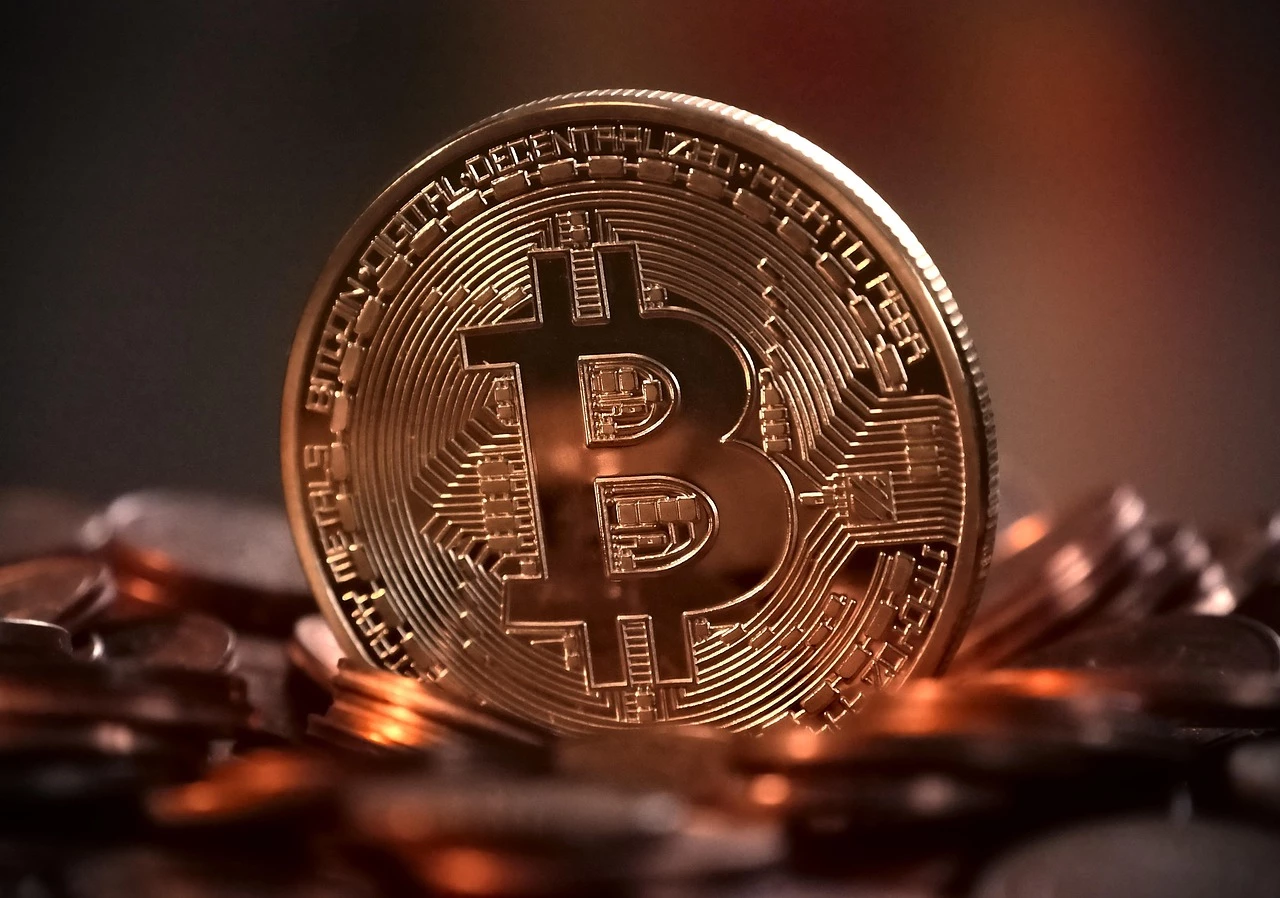
Harnessing the Power of Decentralized Finance: Transforming Investment Landscapes
This article covers KULA and related crypto trends with practical context. Decentralized Finance, or DeFi, is reshaping how we think about investments, lending, and financial services. This innovative sector leverages blockchain technology to create a more open, efficient, and inclusive financial ecosystem. As traditional finance faces numerous challenges, DeFi emerges as a compelling alternative, attracting both retail and institutional investors.
With a range of decentralized applications (dApps) and protocols, DeFi empowers users by removing intermediaries and enhancing transparency. In this article, we'll delve into the various facets of DeFi, its potential impact on the financial landscape, and actionable insights for leveraging these opportunities.
Understanding Decentralized Finance (DeFi)
What is DeFi?
DeFi stands for decentralized finance, a movement that aims to recreate and improve upon traditional financial systems using blockchain technology. Unlike conventional finance, which relies on centralized authorities such as banks and financial institutions, DeFi operates on decentralized networks. This shift enables greater accessibility, lower costs, and increased transparency for users.
In essence, DeFi encompasses a variety of financial services, including lending, borrowing, trading, and insurance, all facilitated by smart contracts on blockchain platforms. By eliminating intermediaries, users can engage directly with financial services, unlocking new levels of efficiency and control.
Key Components of DeFi
The DeFi ecosystem consists of various components that work together to provide financial services. Some of the key elements include:
1. **Decentralized Exchanges (DEXs)**: Platforms that allow users to trade cryptocurrencies directly without the need for a central authority. Examples include Uniswap and SushiSwap.
2. **Lending Protocols**: Services that enable users to lend or borrow assets using smart contracts, such as Aave and Compound. These protocols often use over-collateralization to mitigate risk.
3. **Stablecoins**: While we won't delve into stablecoins here, it's essential to acknowledge their role in providing liquidity and stability within the DeFi space.
4. **Yield Farming and Liquidity Mining**: Strategies that allow users to earn rewards by providing liquidity to DeFi protocols, often resulting in high returns on investment.
The Benefits of DeFi
Accessibility and Inclusivity
One of the most significant advantages of DeFi is its ability to provide financial services to individuals who are often excluded from traditional banking systems. With just an internet connection and a compatible digital wallet, anyone can access DeFi platforms, regardless of their geographical location or financial status. This inclusivity is particularly beneficial for underserved populations in developing countries, where access to banking services is limited.
Moreover, DeFi platforms typically require minimal documentation, allowing users to retain their privacy while participating in financial activities.
Lower Costs and Fees
DeFi eliminates intermediaries, which significantly reduces costs associated with transactions and services. Traditional finance often incurs high fees for services like international remittances, loans, and trading. In contrast, DeFi platforms operate with lower fees, enabling users to retain more of their funds. Additionally, the competitive nature of the DeFi ecosystem encourages innovation and efficiency, further driving down costs.
Challenges Facing DeFi
Security Risks
While DeFi offers numerous benefits, it also presents security challenges. Smart contracts, which power DeFi applications, can be vulnerable to bugs and exploits. Additionally, the rapid growth of DeFi has led to an increase in scams and phishing attacks targeting users. It is crucial for investors to conduct thorough research and prioritize security measures when engaging with DeFi platforms.
The decentralized nature of DeFi means that users are often responsible for their own security, making education and awareness critical components for safe participation.
Regulatory Uncertainty
As DeFi continues to gain traction, regulatory bodies around the world are grappling with how to approach this burgeoning sector. The lack of clear regulations can lead to uncertainty for investors and developers alike. Striking a balance between innovation and consumer protection will be essential for the long-term success of DeFi.
Actionable Insights for Investors
Research and Due Diligence
Before investing in any DeFi project, it's vital to conduct thorough research. Understand the project's fundamentals, including its team, technology, and use cases. Evaluate its community engagement and track record to gauge potential risks and rewards.
Clarity in scope and metrics keeps teams aligned in Harnessing the Power of Decentralized Finance: Transforming Investment Landscapes. Write crisp definitions of done, instrument the path to green, and audit dependencies. Small, testable changes lower risk and speed up feedback. Focus on liquidity, counterparty risk, and execution quality in Harnessing the Power of Decentralized Finance: Transforming Investment Landscapes. Prefer clear fee schedules and avoid hidden slippage. When uncertainty rises, reduce position size and extend review intervals. Operating in Harnessing the Power of Decentralized Finance: Transforming Investment Landscapes benefits from early telemetry and automated dashboards. Transparency reduces rework and panic moves. When KULA shifts, context is already captured, so you can adjust calmly instead of reacting late.
Diversify Your Portfolio
As with any investment strategy, diversification is key to managing risk. Consider spreading your investments across various DeFi projects to mitigate exposure to any single asset or protocol. This approach can enhance your overall portfolio resilience while capitalizing on the growth of the DeFi sector.
Key Takeaways
- Decentralized Finance (DeFi) is transforming the financial landscape by leveraging blockchain technology.
- DeFi offers increased accessibility, allowing anyone with an internet connection to participate in financial services.
- The elimination of intermediaries in DeFi leads to lower costs and fees for users.
- Investors should be aware of security risks associated with smart contracts and DeFi platforms.
- Regulatory uncertainty remains a challenge for the DeFi sector as it continues to evolve.
- Conducting thorough research and due diligence is crucial before investing in DeFi projects.
Ready to dive into the world of decentralized finance? Start exploring DeFi platforms today and discover how you can leverage these innovative solutions for your investment strategy.