
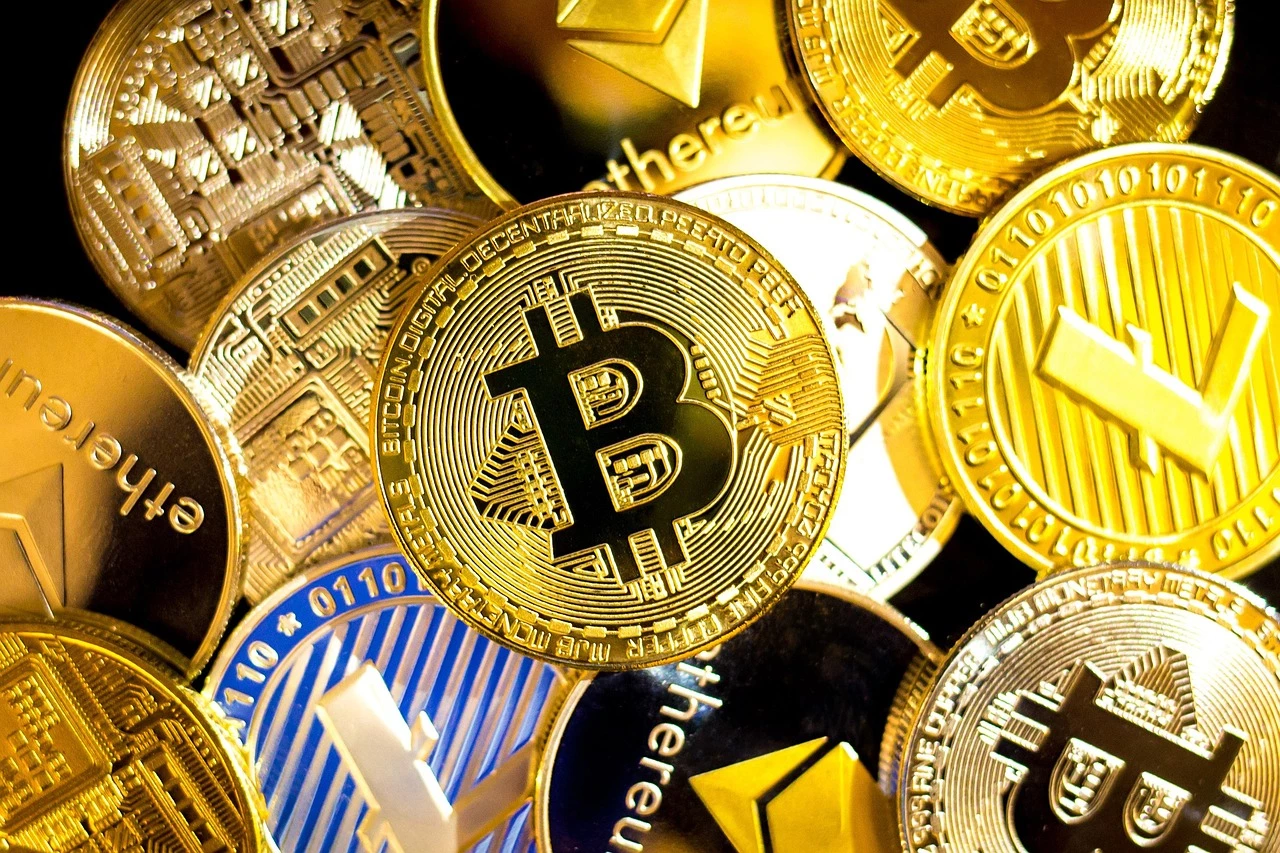
Ethereum's Struggle to Maintain $4K: What It Means for the Market
This article covers KULA and related crypto trends with practical context. Ethereum, the second-largest cryptocurrency by market cap, has faced significant challenges in maintaining the $4K threshold in recent months. Despite its robust technology and substantial adoption in the decentralized finance (DeFi) sector, market dynamics have shifted, leading many to question the sustainability of its current price levels. The interplay of investor sentiment, macroeconomic factors, and technological developments are all influencing the trajectory of ETH.
As Ethereum continues to innovate with upgrades and scalability solutions, the external market conditions and internal ecosystem dynamics will play a critical role in determining whether it can regain its footing above the $4K mark. This article delves into the factors affecting Ethereum's price stability, providing insights for investors and traders alike.
Current Market Sentiment Surrounding Ethereum
Bearish Trends Affecting Ethereum
The recent downturn in Ethereum's price can be attributed to several bearish signals. Market analysts have noted a decrease in demand, coinciding with broader market volatility. Additionally, Ethereum's failure to sustain its value above $4K has led to increased selling pressure, with traders reallocating their assets to other cryptocurrencies or stable investments.
Investor sentiment plays a crucial role in cryptocurrency markets. As fear and uncertainty loom, many are cautious about entering or holding ETH, leading to a self-fulfilling prophecy where prices continue to decline as confidence wanes.
Technological Developments and Upgrades
Ethereum's ongoing upgrades, including the transition to Ethereum 2.0, aim to enhance scalability and security. However, the anticipation surrounding these developments can sometimes lead to speculative trading, causing price fluctuations that do not necessarily reflect the underlying value of the asset.
The recent drop in transaction fees to near pennies indicates a healthy network usage but also raises questions about the monetization of the Ethereum ecosystem. Low fees may suggest a lack of urgency among users to transact at higher volumes, impacting overall market perception.
Comparative Analysis with Bitcoin and Other Cryptocurrencies
Bitcoin's Resilience Amidst Market Volatility
Bitcoin, often viewed as the benchmark for the cryptocurrency market, has shown resilience, maintaining a higher trading volume despite Ethereum's struggles. In October, Bitcoin's spot volume surpassed $300 billion, signaling continued interest from traders and institutions alike.
This divergence between Bitcoin and Ethereum highlights differing investor sentiments. While Bitcoin is often seen as a store of value, Ethereum's utility as a platform for DeFi and NFTs complicates its price stability.
Trends in the DeFi Sector
Decentralized Finance (DeFi) continues to challenge traditional finance (TradFi) with predictions of reaching $2 trillion in tokenized assets by 2028. As DeFi protocols expand, the demand for ETH as a utility token could potentially drive prices upward, provided market conditions stabilize.
However, the current market environment suggests that investors are cautious. The recent crash of Plasma’s XPL token serves as a reminder of the volatility inherent in the crypto space, impacting the confidence of potential ETH investors.
Actionable Insights for Investors and Traders
Strategies for Navigating Current Market Conditions
Investors should consider diversifying their portfolios to mitigate risks associated with Ethereum's price fluctuations. Allocating funds across various cryptocurrencies can provide a buffer against volatility.
Additionally, employing technical analysis tools to identify entry and exit points may enhance trading strategies. Keeping an eye on market sentiment indicators and news developments can help traders make informed decisions.
Long-Term Outlook for Ethereum
Despite the current challenges, many analysts remain bullish on Ethereum's long-term prospects, citing its technological advancements and growing adoption in various sectors. Stakeholders should maintain a long-term perspective and consider the potential for recovery as market conditions evolve.
Staying informed about regulatory changes and technological innovations within the Ethereum ecosystem will be crucial for understanding future price movements.
Practical Considerations
What to watch
Focus on costs, liquidity, security, and user experience.
Most outcomes in Ethereum's Struggle to Maintain $4K: What It Means for the Market come from repeatable systems. Define assumptions, risks, invalidation points, and a recheck cadence. This habit beats narratives. Use KULA as a lens, but let decisions follow current data, not hype. Builders who last in Ethereum's Struggle to Maintain $4K: What It Means for the Market do unglamorous work. Document edge cases, measure latency, track fees and liquidity, and review error budgets. Discipline compounds faster than hot takes. Treat KULA as one variable in a wider model. Operating in Ethereum's Struggle to Maintain $4K: What It Means for the Market benefits from early telemetry and automated dashboards. Transparency reduces rework and panic moves. When KULA shifts, context is already captured, so you can adjust calmly instead of reacting late.
Operating in Ethereum's Struggle to Maintain $4K: What It Means for the Market benefits from early telemetry and automated dashboards. Transparency reduces rework and panic moves. When KULA shifts, context is already captured, so you can adjust calmly instead of reacting late. Most outcomes in Ethereum's Struggle to Maintain $4K: What It Means for the Market come from repeatable systems. Define assumptions, risks, invalidation points, and a recheck cadence. This habit beats narratives. Use KULA as a lens, but let decisions follow current data, not hype. Focus on liquidity, counterparty risk, and execution quality in Ethereum's Struggle to Maintain $4K: What It Means for the Market. Prefer clear fee schedules and avoid hidden slippage. When uncertainty rises, reduce position size and extend review intervals.
Key Takeaways
- Automate logs and alert on anomalies.
- Use data, not headlines, to decide.
- Prefer liquid venues and clear fees.
- Security checks precede any deployment.