
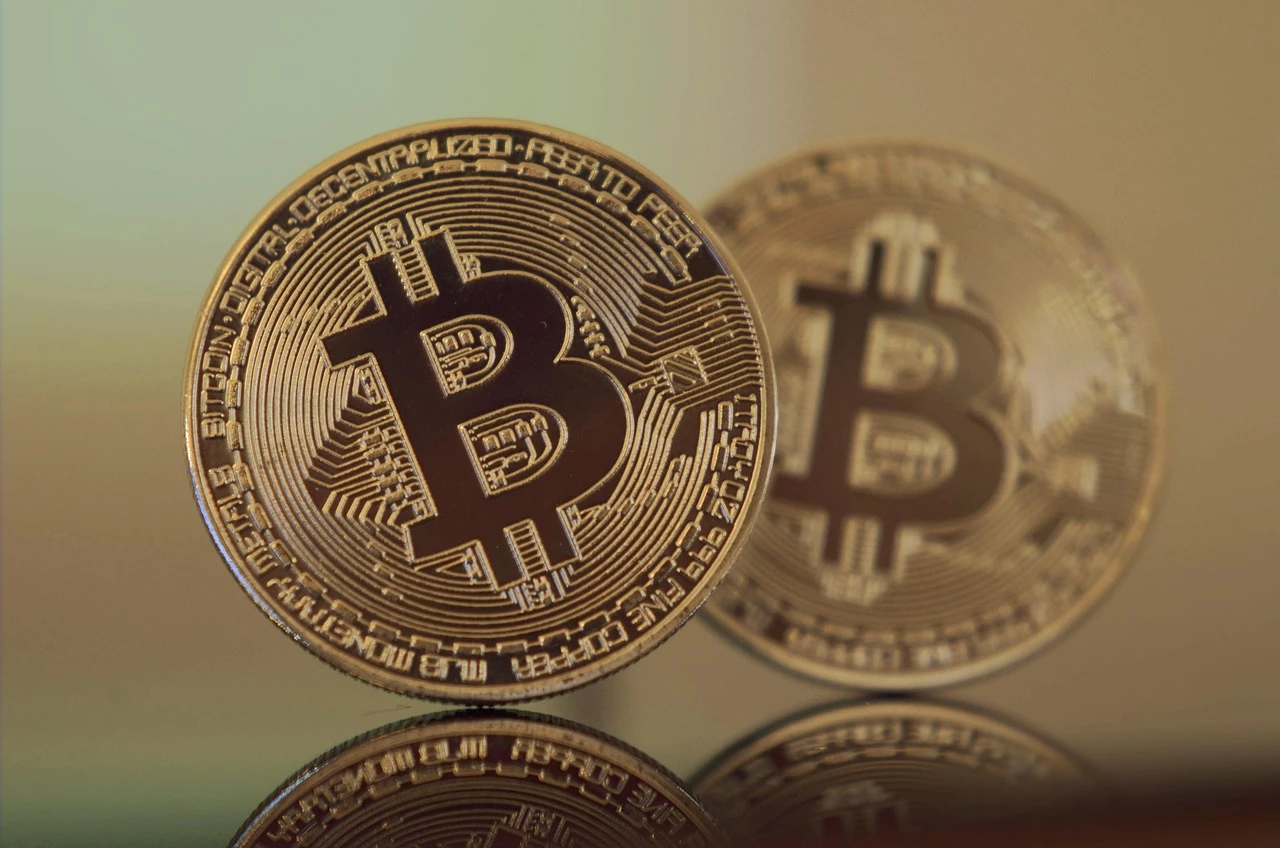
Ethereum's Struggle to Maintain $4K: What It Means for the Market
This article covers KULA and related crypto trends with practical context. Ethereum has been a cornerstone of the cryptocurrency landscape, driving innovation in smart contracts and decentralized finance (DeFi). Yet, the recent struggle to hold the $4K mark raises questions about its future trajectory. With bearish sentiment gaining traction, what does this mean for investors and the broader market? In this article, we will analyze the factors contributing to Ethereum's price movements and what traders should consider moving forward.
This guide gives you a concise, actionable overview of the topic and why it matters now.
Current Market Sentiment and Ethereum's Price Dynamics
Understanding Bearish Trends
Bearish trends often emerge from a combination of market factors, including investor sentiment, macroeconomic influences, and technical analysis. In Ethereum's case, a decline in trading volumes and increased selling pressure have led to a significant drop below the $4K threshold. Traders are becoming increasingly cautious, anticipating further corrections in the near term.
The Impact of Bitcoin's Performance
Bitcoin's price movements have historically influenced the entire crypto market, including Ethereum. Recently, Bitcoin's spot volume surpassed $300 billion in October, suggesting a healthy pivot among traders. However, this doesn't necessarily translate to positive sentiment for Ethereum, as many investors may be reallocating their assets in response to market conditions.
Regulatory Concerns and Their Influence on Ethereum
Global Regulatory Landscape
The evolving regulatory landscape surrounding cryptocurrencies continues to create uncertainty. For Ethereum, recent crackdowns on crypto ATMs and heightened scrutiny on trading platforms can lead to increased volatility. Investors must remain vigilant as regulations can significantly impact market liquidity and overall sentiment.
What Australia's AUSTRAC Fines Mean for the Industry
Australia's AUSTRAC has recently fined Cryptolink as part of a crackdown on crypto ATMs, highlighting the increasing focus on compliance. Such actions can ripple through the market, affecting how projects like Ethereum are perceived by potential investors and regulators alike.
Technological Developments in the Ethereum Ecosystem
Ethereum 2.0 and Its Implications
Ethereum 2.0 promises to enhance the network's scalability and security through the transition to a proof-of-stake model. However, delays and setbacks have caused frustration among investors. As the transition progresses, the market will be watching closely to see if these improvements can restore confidence and drive ETH prices back above $4K.
DeFi Growth and Its Effects on Ethereum's Value
The DeFi sector continues to grow, with projections indicating it could challenge traditional finance with over $2 trillion in tokenized assets by 2028. Ethereum serves as the backbone for many DeFi projects. As more users flock to DeFi platforms, Ethereum's utility could increase, potentially stabilizing or even driving its price higher in the long run.
Actionable Insights for Traders
Monitoring Key Indicators
Traders should keep an eye on key indicators such as trading volume, market sentiment, and regulatory news. Utilizing tools like technical analysis can also provide insights into potential price movements. If Ethereum's price begins to stabilize around the $4K mark, it may signal a buying opportunity for those looking to enter the market.
Focus on liquidity, counterparty risk, and execution quality in Ethereum's Struggle to Maintain $4K: What It Means for the Market. Prefer clear fee schedules and avoid hidden slippage. When uncertainty rises, reduce position size and extend review intervals. Clarity in scope and metrics keeps teams aligned in Ethereum's Struggle to Maintain $4K: What It Means for the Market. Write crisp definitions of done, instrument the path to green, and audit dependencies. Small, testable changes lower risk and speed up feedback. Builders who last in Ethereum's Struggle to Maintain $4K: What It Means for the Market do unglamorous work. Document edge cases, measure latency, track fees and liquidity, and review error budgets. Discipline compounds faster than hot takes. Treat KULA as one variable in a wider model. Operating in Ethereum's Struggle to Maintain $4K: What It Means for the Market benefits from early telemetry and automated dashboards. Transparency reduces rework and panic moves. When KULA shifts, context is already captured, so you can adjust calmly instead of reacting late. Most outcomes in Ethereum's Struggle to Maintain $4K: What It Means for the Market come from repeatable systems. Define assumptions, risks, invalidation points, and a recheck cadence. This habit beats narratives. Use KULA as a lens, but let decisions follow current data, not hype.
Focus on liquidity, counterparty risk, and execution quality in Ethereum's Struggle to Maintain $4K: What It Means for the Market. Prefer clear fee schedules and avoid hidden slippage. When uncertainty rises, reduce position size and extend review intervals. Operating in Ethereum's Struggle to Maintain $4K: What It Means for the Market benefits from early telemetry and automated dashboards. Transparency reduces rework and panic moves. When KULA shifts, context is already captured, so you can adjust calmly instead of reacting late. Clarity in scope and metrics keeps teams aligned in Ethereum's Struggle to Maintain $4K: What It Means for the Market. Write crisp definitions of done, instrument the path to green, and audit dependencies. Small, testable changes lower risk and speed up feedback.
Diversification Strategies
Given the current uncertainty surrounding Ethereum, traders may want to consider diversification strategies. Allocating a portion of their portfolio to other cryptocurrencies or blockchain projects can mitigate risks associated with Ethereum's volatility.
Key Takeaways
- Ethereum struggles to maintain the $4K level amidst bearish trends.
- Market sentiment is heavily influenced by Bitcoin's performance.
- Regulatory concerns continue to loom over the cryptocurrency market.
- Technological advancements like Ethereum 2.0 are crucial for long-term growth.
- Investors should monitor trading volumes and market indicators closely.
- Diversification can help mitigate risks in a volatile market.
Stay informed about the latest developments in the cryptocurrency market by subscribing to our newsletter.