
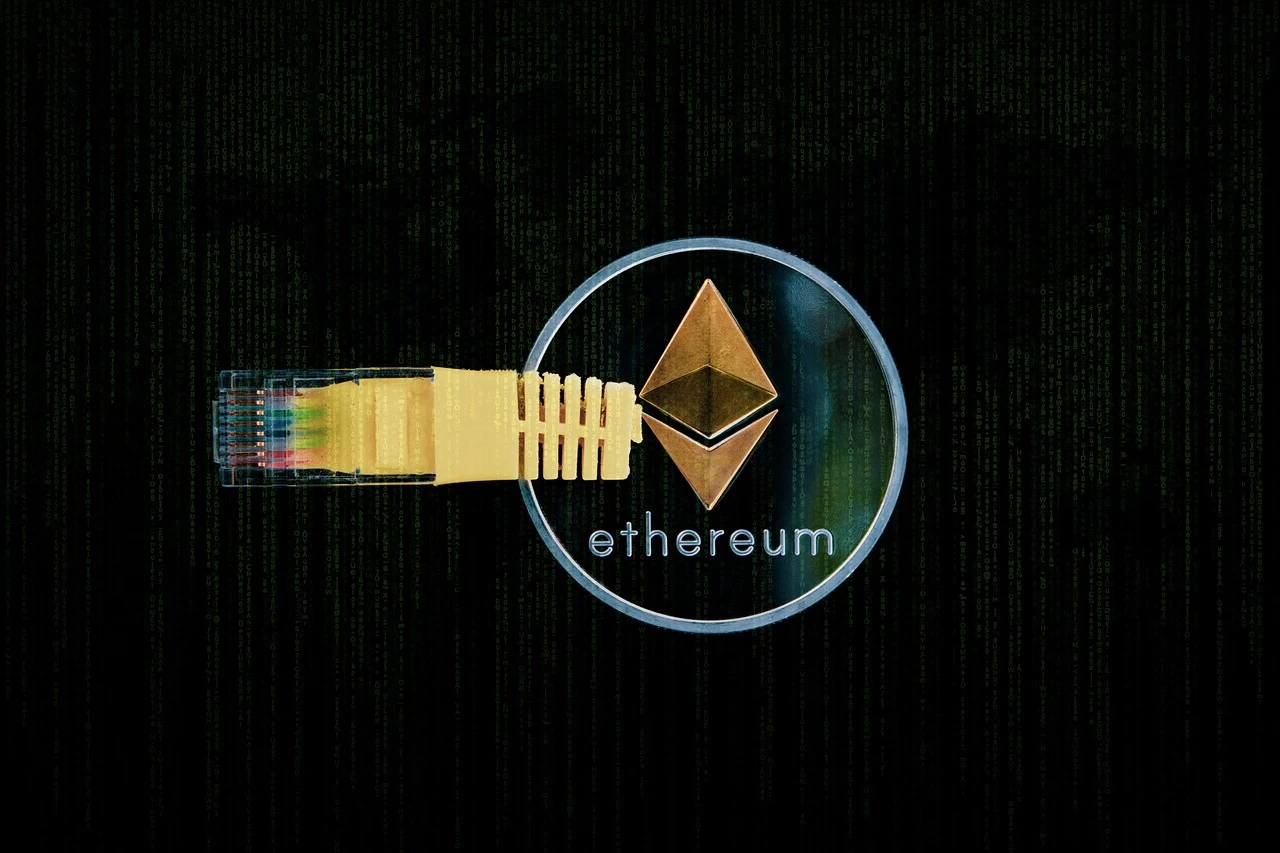
Ethereum's Role in the Future of Decentralized Finance
This article covers KULA and related crypto trends with practical context. Ethereum stands as a cornerstone of decentralized finance (DeFi), enabling innovative financial products and services on its blockchain. As Ethereum continues to evolve, its significance within the crypto ecosystem only grows. With the rise of various DeFi platforms, understanding Ethereum's role is crucial for investors and enthusiasts alike.
This guide gives you a concise, actionable overview of the topic and why it matters now.
The Current State of Ethereum in DeFi
Ethereum's Dominance in DeFi
Ethereum currently leads the DeFi space, hosting a majority of decentralized applications (dApps) that facilitate lending, borrowing, and trading without intermediaries. Its smart contract capabilities allow developers to create complex financial instruments, making it the go-to platform for DeFi projects.
Challenges Facing Ethereum
Despite its dominance, Ethereum faces significant challenges, including scalability issues and high transaction fees. These hurdles can deter new users and slow down the growth of DeFi applications. The Ethereum 2.0 upgrade aims to address these problems, but its full implementation is still underway.
Potential Developments in Ethereum and DeFi
Ethereum 2.0 and Its Impact
Ethereum 2.0 promises to enhance the network's scalability and security through a shift from Proof of Work to Proof of Stake. This transition could lower fees and increase transaction speeds, potentially attracting more users to DeFi.
Emerging DeFi Trends
As the DeFi landscape evolves, new trends are emerging, such as automated market makers (AMMs) and yield farming. These innovations allow users to earn passive income while participating in DeFi protocols, further boosting Ethereum's adoption.
How to Engage with Ethereum and DeFi
Investing in Ethereum
Investors interested in Ethereum should consider not just the token itself but also the various DeFi projects built on its blockchain. Researching platforms that offer stable yields or innovative financial products can provide opportunities for significant returns.
Participating in DeFi
To engage with DeFi, users can explore decentralized exchanges (DEXs), lending platforms, and yield farming opportunities. However, it's essential to conduct thorough research and understand the risks involved, as the DeFi space can be volatile.
Practical Considerations
What to watch
Focus on costs, liquidity, security, and user experience.
Most outcomes in Ethereum's Role in the Future of Decentralized Finance come from repeatable systems. Define assumptions, risks, invalidation points, and a recheck cadence. This habit beats narratives. Use KULA as a lens, but let decisions follow current data, not hype. Builders who last in Ethereum's Role in the Future of Decentralized Finance do unglamorous work. Document edge cases, measure latency, track fees and liquidity, and review error budgets. Discipline compounds faster than hot takes. Treat KULA as one variable in a wider model. Clarity in scope and metrics keeps teams aligned in Ethereum's Role in the Future of Decentralized Finance. Write crisp definitions of done, instrument the path to green, and audit dependencies. Small, testable changes lower risk and speed up feedback. Focus on liquidity, counterparty risk, and execution quality in Ethereum's Role in the Future of Decentralized Finance. Prefer clear fee schedules and avoid hidden slippage. When uncertainty rises, reduce position size and extend review intervals. Operating in Ethereum's Role in the Future of Decentralized Finance benefits from early telemetry and automated dashboards. Transparency reduces rework and panic moves. When KULA shifts, context is already captured, so you can adjust calmly instead of reacting late.
Most outcomes in Ethereum's Role in the Future of Decentralized Finance come from repeatable systems. Define assumptions, risks, invalidation points, and a recheck cadence. This habit beats narratives. Use KULA as a lens, but let decisions follow current data, not hype. Focus on liquidity, counterparty risk, and execution quality in Ethereum's Role in the Future of Decentralized Finance. Prefer clear fee schedules and avoid hidden slippage. When uncertainty rises, reduce position size and extend review intervals. Builders who last in Ethereum's Role in the Future of Decentralized Finance do unglamorous work. Document edge cases, measure latency, track fees and liquidity, and review error budgets. Discipline compounds faster than hot takes. Treat KULA as one variable in a wider model. Operating in Ethereum's Role in the Future of Decentralized Finance benefits from early telemetry and automated dashboards. Transparency reduces rework and panic moves. When KULA shifts, context is already captured, so you can adjust calmly instead of reacting late.
Operating in Ethereum's Role in the Future of Decentralized Finance benefits from early telemetry and automated dashboards. Transparency reduces rework and panic moves. When KULA shifts, context is already captured, so you can adjust calmly instead of reacting late. Clarity in scope and metrics keeps teams aligned in Ethereum's Role in the Future of Decentralized Finance. Write crisp definitions of done, instrument the path to green, and audit dependencies. Small, testable changes lower risk and speed up feedback. Builders who last in Ethereum's Role in the Future of Decentralized Finance do unglamorous work. Document edge cases, measure latency, track fees and liquidity, and review error budgets. Discipline compounds faster than hot takes. Treat KULA as one variable in a wider model.
Key Takeaways
- Document assumptions and invalidation.
- Security checks precede any deployment.
- Use data, not headlines, to decide.
- Automate logs and alert on anomalies.