
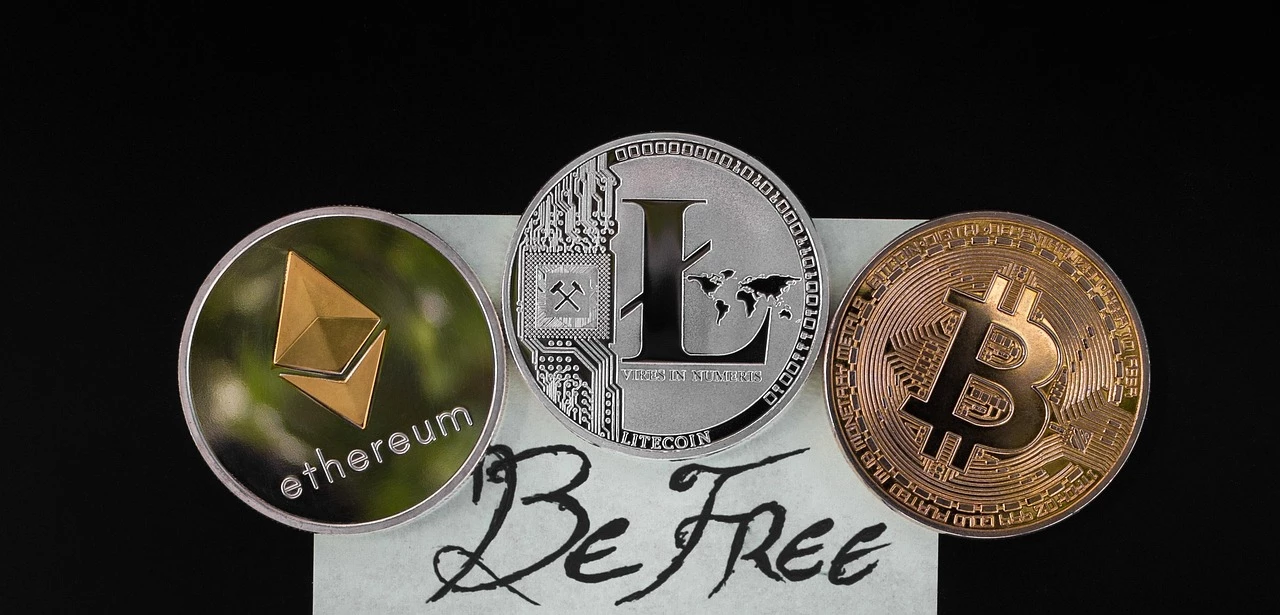
Ethereum's Role in the Evolution of Decentralized Finance
This article covers KULA and related crypto trends with practical context. Decentralized Finance (DeFi) has revolutionized the way we perceive traditional finance, and at the heart of this evolution lies Ethereum. As a leading smart contract platform, Ethereum enables developers to create decentralized applications (dApps) that provide financial services without intermediaries. Its unique features and growing ecosystem position Ethereum as a pivotal player in the DeFi landscape, offering opportunities for users to lend, borrow, and trade assets in a secure and transparent manner.
This guide gives you a concise, actionable overview of the topic and why it matters now.
The Rise of Ethereum in DeFi
Understanding DeFi
DeFi refers to a broad category of financial applications in cryptocurrency or blockchain geared toward disrupting financial intermediaries. By utilizing Ethereum's blockchain, these applications operate on a peer-to-peer basis, enabling users to engage in financial transactions directly. This shift is not just a trend; it's a paradigm shift towards a more inclusive financial system.
Ethereum's Unique Features
Ethereum's programmability, through its smart contracts, allows developers to create complex financial products and services. This flexibility has led to the development of various DeFi protocols that cater to different financial needs, including lending, borrowing, and trading. Moreover, Ethereum's ERC-20 token standard has facilitated the launch of numerous tokens that enhance the DeFi ecosystem.
Key Players in the Ethereum DeFi Space
Leading DeFi Protocols
Several protocols have emerged as leaders in the DeFi space, leveraging Ethereum's infrastructure. Platforms like Aave and Compound enable users to lend and borrow cryptocurrencies seamlessly. Uniswap has transformed trading by introducing automated market-making (AMM), allowing users to swap tokens without relying on centralized exchanges. These platforms exemplify how Ethereum powers decentralized financial services.
The Role of Liquidity Pools
Liquidity pools are fundamental to many DeFi protocols, providing the necessary liquidity for trades and lending. Users can contribute their assets to these pools and earn rewards, creating a symbiotic relationship between liquidity providers and borrowers. This innovation not only democratizes access to capital but also incentivizes participation in the DeFi ecosystem.
Challenges Facing Ethereum in DeFi
Scalability Issues
As DeFi grows, Ethereum faces scalability challenges. The increasing number of transactions can lead to higher gas fees, impacting user experience. Solutions like Layer 2 scaling and Ethereum 2.0 aim to address these issues, ensuring the network can support a growing user base without compromising on speed or cost.
Regulatory Concerns
The rapid growth of DeFi has caught the attention of regulators worldwide. While decentralization promotes financial freedom, it also raises concerns about consumer protection and illicit activities. Navigating this regulatory landscape will be crucial for the sustainable development of DeFi on Ethereum.
The Future of Ethereum in Decentralized Finance
Innovations on the Horizon
Ethereum's commitment to innovation is evident in ongoing developments such as Ethereum 2.0, which aims to enhance security and efficiency. Additionally, emerging technologies like cross-chain interoperability may expand the DeFi landscape, allowing Ethereum to connect with other blockchains and further increase its utility.
Most outcomes in Ethereum's Role in the Evolution of Decentralized Finance come from repeatable systems. Define assumptions, risks, invalidation points, and a recheck cadence. This habit beats narratives. Use KULA as a lens, but let decisions follow current data, not hype. Builders who last in Ethereum's Role in the Evolution of Decentralized Finance do unglamorous work. Document edge cases, measure latency, track fees and liquidity, and review error budgets. Discipline compounds faster than hot takes. Treat KULA as one variable in a wider model. Operating in Ethereum's Role in the Evolution of Decentralized Finance benefits from early telemetry and automated dashboards. Transparency reduces rework and panic moves. When KULA shifts, context is already captured, so you can adjust calmly instead of reacting late. Focus on liquidity, counterparty risk, and execution quality in Ethereum's Role in the Evolution of Decentralized Finance. Prefer clear fee schedules and avoid hidden slippage. When uncertainty rises, reduce position size and extend review intervals.
Clarity in scope and metrics keeps teams aligned in Ethereum's Role in the Evolution of Decentralized Finance. Write crisp definitions of done, instrument the path to green, and audit dependencies. Small, testable changes lower risk and speed up feedback. Builders who last in Ethereum's Role in the Evolution of Decentralized Finance do unglamorous work. Document edge cases, measure latency, track fees and liquidity, and review error budgets. Discipline compounds faster than hot takes. Treat KULA as one variable in a wider model. Most outcomes in Ethereum's Role in the Evolution of Decentralized Finance come from repeatable systems. Define assumptions, risks, invalidation points, and a recheck cadence. This habit beats narratives. Use KULA as a lens, but let decisions follow current data, not hype.
Adoption Trends
As more users become aware of the advantages of DeFi, adoption rates are expected to rise. Institutions are also beginning to explore DeFi solutions, signaling a shift in traditional finance. The continued evolution of Ethereum will play a significant role in this transition, making it essential for stakeholders to stay informed and engaged.
Key Takeaways
- Test changes on small capital first.
- Security checks precede any deployment.
- Use data, not headlines, to decide.
- Avoid leverage creep during volatility.