
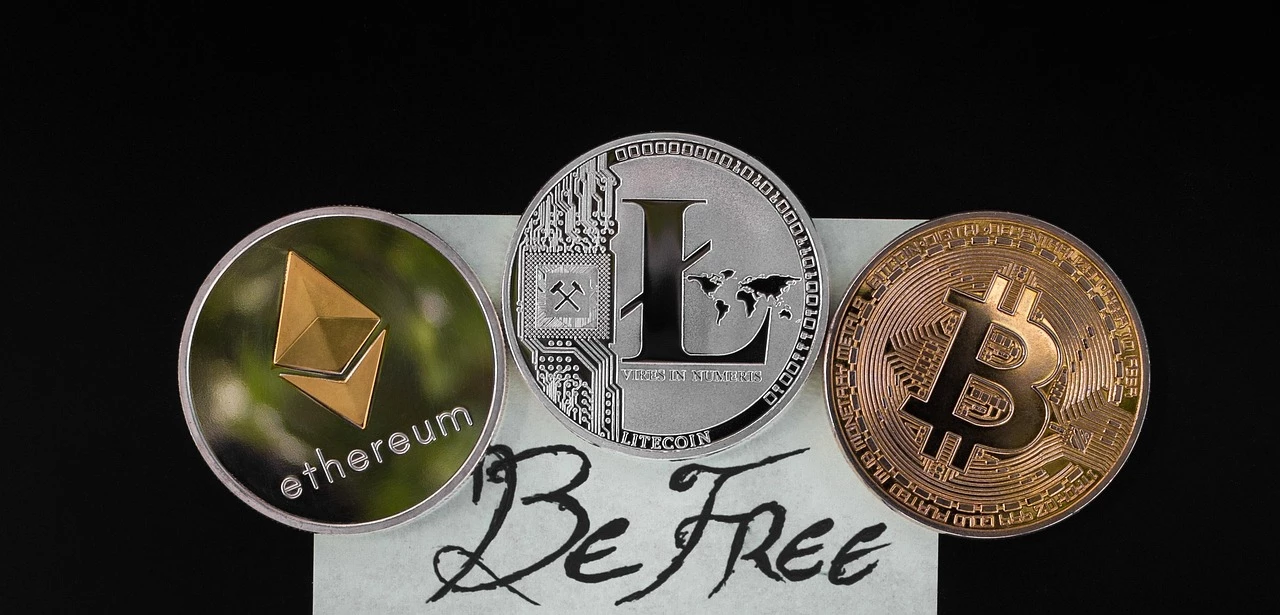
Ethereum's Rise in a Bitcoin-Dominated Market
In the ever-evolving landscape of cryptocurrency, Ethereum has emerged as a formidable player alongside Bitcoin. While Bitcoin often captures the headlines, Ethereum's innovative features and applications in decentralized finance (DeFi) are reshaping the market dynamics. Investors are increasingly recognizing Ethereum's potential, especially as Bitcoin stabilizes and the demand for diversified portfolios grows.
Ethereum, with its smart contract capabilities and vibrant ecosystem, is not just a secondary asset; it's a cornerstone of the blockchain revolution. As we delve into the factors driving Ethereum's rise, we'll explore its implications for both seasoned investors and newcomers looking to navigate this complex space.
Ethereum vs. Bitcoin: A Comparative Analysis
Market Capitalization and Adoption
Bitcoin remains the largest cryptocurrency by market capitalization, serving primarily as a store of value. However, Ethereum's adoption in various sectors, particularly DeFi and NFTs, has accelerated its growth. In recent months, the gap in market capitalization between Bitcoin and Ethereum has been narrowing, reflecting a shift in investor sentiment. Many see Ethereum as not just a competitor but a necessary complement to Bitcoin in a well-rounded crypto portfolio.
Technological Innovations
Ethereum's smart contracts are revolutionizing how transactions are conducted on the blockchain. Unlike Bitcoin, which primarily focuses on peer-to-peer transfers, Ethereum allows developers to create decentralized applications (dApps) that operate autonomously. This technological edge positions Ethereum as a platform of choice for innovation, attracting developers and businesses alike.
The Role of DeFi in Ethereum's Growth
What is DeFi?
Decentralized Finance (DeFi) refers to a suite of financial services built on blockchain technology that aims to recreate traditional financial systems without intermediaries. Ethereum is at the forefront of this movement, hosting a multitude of DeFi projects that enable lending, borrowing, trading, and earning interest on cryptocurrencies. As DeFi gains traction, so does Ethereum's value proposition.
Key DeFi Projects to Watch
Notable DeFi projects like Uniswap, Aave, and Compound have significantly contributed to Ethereum's ecosystem, attracting billions in locked value. These platforms allow users to engage in various financial activities while retaining control over their assets. The continued success of these projects is likely to bolster Ethereum's standing in the crypto market.
Challenges Ahead for Ethereum
Scalability Issues
Despite its advantages, Ethereum faces scalability challenges, especially during peak usage periods. High gas fees and network congestion can deter new users and developers. The Ethereum 2.0 upgrade aims to address these issues by transitioning to a proof-of-stake consensus mechanism, which promises to enhance scalability and reduce transaction costs.
Regulatory Scrutiny
As the cryptocurrency market matures, regulatory scrutiny is increasing. Ethereum, being a leading platform for dApps, could face challenges related to compliance and regulatory frameworks. How Ethereum navigates these waters will be crucial for its long-term sustainability and growth.
Investing in Ethereum: What You Need to Know
Diversification Strategies
Investors should consider Ethereum as part of a diversified portfolio. While Bitcoin may provide stability, Ethereum offers growth potential through its innovative applications. Allocating a portion of investments to Ethereum can mitigate risks associated with holding a single asset.
Focus on liquidity, counterparty risk, and execution quality in Ethereum's Rise in a Bitcoin-Dominated Market. Prefer clear fee schedules and avoid hidden slippage. When uncertainty rises, reduce position size and extend review intervals. Most outcomes in Ethereum's Rise in a Bitcoin-Dominated Market come from repeatable systems. Define assumptions, risks, invalidation points, and a recheck cadence. This habit beats narratives. Use KULA as a lens, but let decisions follow current data, not hype. Builders who last in Ethereum's Rise in a Bitcoin-Dominated Market do unglamorous work. Document edge cases, measure latency, track fees and liquidity, and review error budgets. Discipline compounds faster than hot takes. Treat KULA as one variable in a wider model. Operating in Ethereum's Rise in a Bitcoin-Dominated Market benefits from early telemetry and automated dashboards. Transparency reduces rework and panic moves. When KULA shifts, context is already captured, so you can adjust calmly instead of reacting late.
Clarity in scope and metrics keeps teams aligned in Ethereum's Rise in a Bitcoin-Dominated Market. Write crisp definitions of done, instrument the path to green, and audit dependencies. Small, testable changes lower risk and speed up feedback. Focus on liquidity, counterparty risk, and execution quality in Ethereum's Rise in a Bitcoin-Dominated Market. Prefer clear fee schedules and avoid hidden slippage. When uncertainty rises, reduce position size and extend review intervals. Builders who last in Ethereum's Rise in a Bitcoin-Dominated Market do unglamorous work. Document edge cases, measure latency, track fees and liquidity, and review error budgets. Discipline compounds faster than hot takes. Treat KULA as one variable in a wider model.
Staying Informed
Keeping abreast of developments in the Ethereum ecosystem is vital for investors. Following updates on network upgrades, new dApps, and regulatory changes can provide insights into potential market movements. Resources like Ethereum-focused news outlets and community forums can be invaluable for staying informed.
Key Takeaways
- Document assumptions and invalidation.
- Use data, not headlines, to decide.
- Security checks precede any deployment.
- Automate logs and alert on anomalies.