
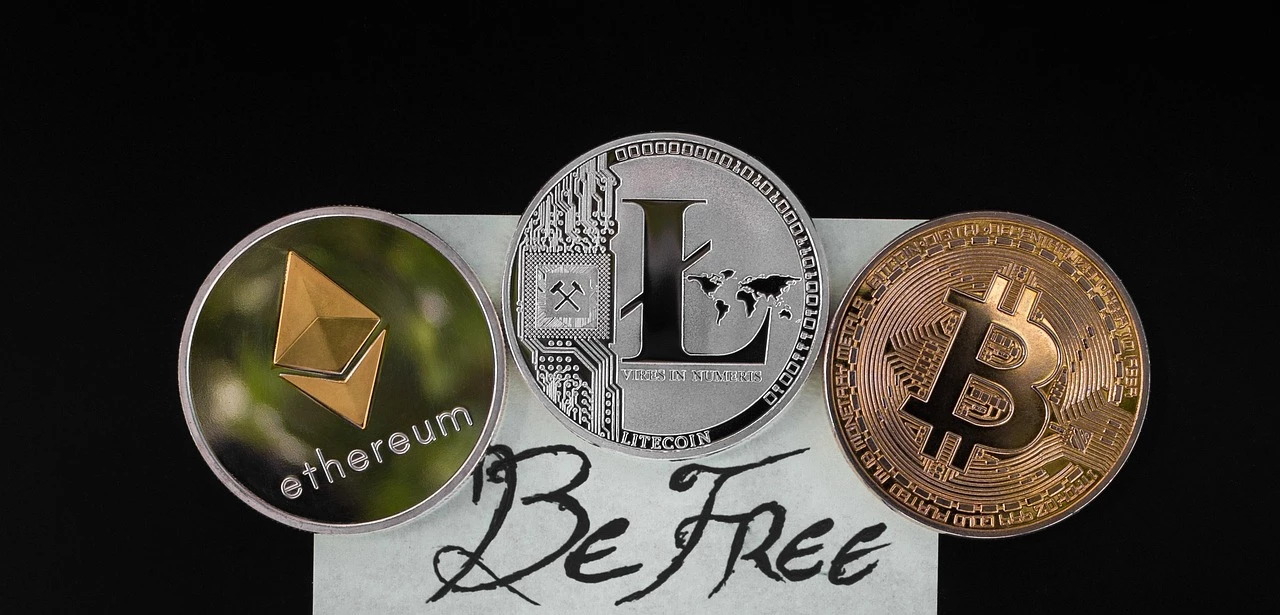
Ethereum's Growing Dominance in DeFi and Beyond
Ethereum has become a cornerstone of the cryptocurrency ecosystem, particularly in the realms of decentralized finance (DeFi) and non-fungible tokens (NFTs). As the second-largest cryptocurrency by market capitalization, Ethereum continues to innovate and evolve, attracting developers and investors alike. The platform's smart contract functionality enables a wide range of applications, which has solidified its position in the blockchain space. With the ongoing transition to Ethereum 2.0 and the growing interest in Web3 technologies, the potential for Ethereum's growth is immense.
This guide gives you a concise, actionable overview of the topic and why it matters now.
The Evolution of Ethereum
From Concept to Reality
Launched in 2015, Ethereum introduced the concept of smart contracts, allowing developers to build decentralized applications (dApps) on its blockchain. This innovation paved the way for the DeFi revolution, enabling users to lend, borrow, and trade assets without intermediaries.
Over the years, Ethereum has undergone significant upgrades, most notably the transition from proof-of-work to proof-of-stake with Ethereum 2.0. This transition aims to improve scalability, security, and energy efficiency, making the network more sustainable and user-friendly.
The Rise of DeFi
Decentralized finance has emerged as one of the most compelling use cases for Ethereum. Platforms like Uniswap, Aave, and Compound leverage Ethereum's smart contracts to provide financial services without the need for traditional banks.
As more users seek alternative financial solutions, DeFi projects on Ethereum have seen explosive growth. This trend is likely to continue as new innovations and improvements are introduced to the ecosystem.
NFTs: A Game Changer for Digital Ownership
The NFT Boom
Non-fungible tokens have taken the world by storm, with Ethereum as the primary blockchain for their creation and trade. Artists, musicians, and creators are utilizing NFTs to monetize their work, offering unique digital assets to buyers.
The NFT market has opened up new avenues for digital ownership, allowing creators to retain control over their intellectual property while providing collectors with verifiable ownership records.
Beyond Art: Diverse Use Cases
While digital art has garnered the most attention, NFTs are being used in various sectors, including gaming, real estate, and entertainment. This versatility indicates a broader adoption of NFTs and their potential to disrupt traditional markets.
As the technology matures, we can expect even more innovative applications of NFTs, further embedding them into everyday transactions and experiences.
Web3 and the Future of Ethereum
The Decentralized Internet
Web3 represents the next evolution of the internet, focusing on decentralization and user empowerment. Ethereum plays a critical role in this transformation, providing the infrastructure needed for decentralized applications and services.
By enabling peer-to-peer interactions without intermediaries, Web3 aims to create a more equitable online environment, where users have control over their data and digital identities.
Challenges Ahead
Despite its potential, Ethereum faces challenges, including network congestion, high gas fees, and competition from other blockchains. Addressing these issues is crucial for maintaining its dominance in the space.
The ongoing upgrades to Ethereum, such as layer 2 solutions and sharding, are steps toward enhancing scalability and reducing costs, which will be vital for its long-term success.
Practical Considerations
What to watch
Focus on costs, liquidity, security, and user experience.
Focus on liquidity, counterparty risk, and execution quality in Ethereum's Growing Dominance in DeFi and Beyond. Prefer clear fee schedules and avoid hidden slippage. When uncertainty rises, reduce position size and extend review intervals. Most outcomes in Ethereum's Growing Dominance in DeFi and Beyond come from repeatable systems. Define assumptions, risks, invalidation points, and a recheck cadence. This habit beats narratives. Use KULA as a lens, but let decisions follow current data, not hype. Builders who last in Ethereum's Growing Dominance in DeFi and Beyond do unglamorous work. Document edge cases, measure latency, track fees and liquidity, and review error budgets. Discipline compounds faster than hot takes. Treat KULA as one variable in a wider model. Clarity in scope and metrics keeps teams aligned in Ethereum's Growing Dominance in DeFi and Beyond. Write crisp definitions of done, instrument the path to green, and audit dependencies. Small, testable changes lower risk and speed up feedback. Operating in Ethereum's Growing Dominance in DeFi and Beyond benefits from early telemetry and automated dashboards. Transparency reduces rework and panic moves. When KULA shifts, context is already captured, so you can adjust calmly instead of reacting late.
Focus on liquidity, counterparty risk, and execution quality in Ethereum's Growing Dominance in DeFi and Beyond. Prefer clear fee schedules and avoid hidden slippage. When uncertainty rises, reduce position size and extend review intervals. Operating in Ethereum's Growing Dominance in DeFi and Beyond benefits from early telemetry and automated dashboards. Transparency reduces rework and panic moves. When KULA shifts, context is already captured, so you can adjust calmly instead of reacting late. Builders who last in Ethereum's Growing Dominance in DeFi and Beyond do unglamorous work. Document edge cases, measure latency, track fees and liquidity, and review error budgets. Discipline compounds faster than hot takes. Treat KULA as one variable in a wider model.
Key Takeaways
- Prefer liquid venues and clear fees.
- Automate logs and alert on anomalies.
- Test changes on small capital first.
- Use data, not headlines, to decide.