
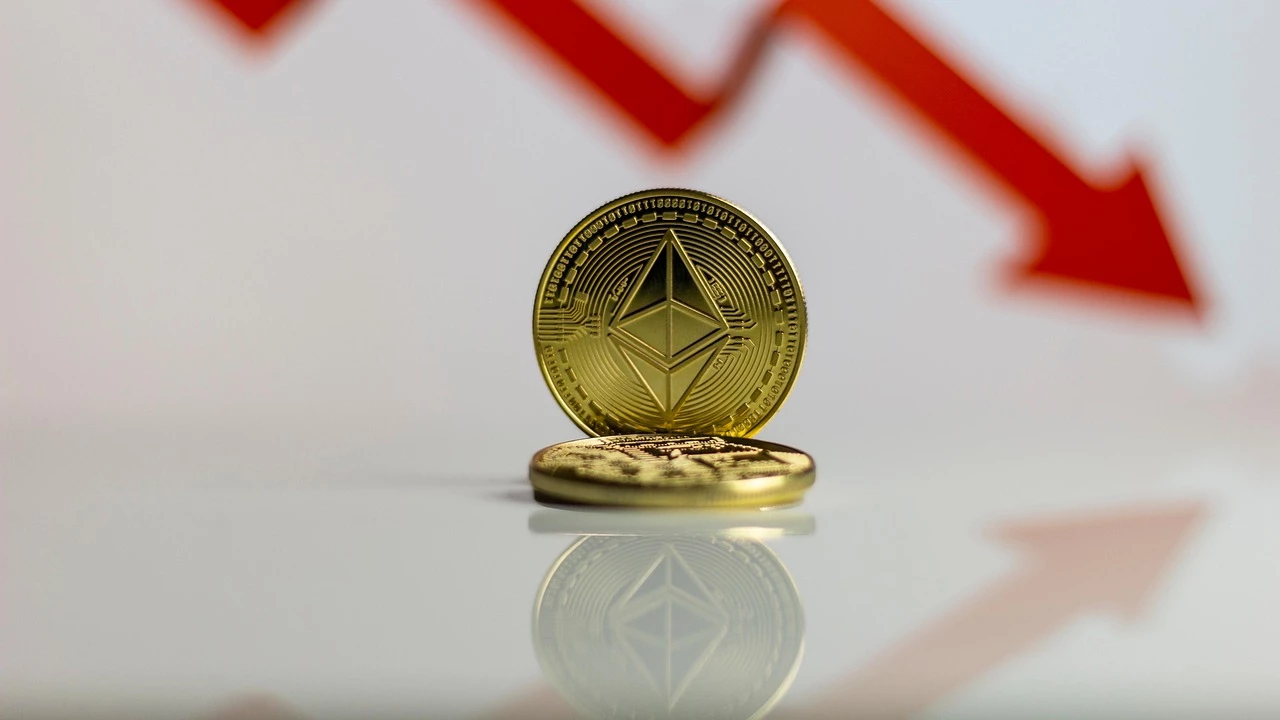
Ethereum's Fusaka Fork: A New Era for Smart Contracts
Ethereum has been at the forefront of blockchain innovation, continually evolving to meet the demands of its growing community.
The recent announcement regarding the Fusaka fork has generated excitement among developers and investors alike, as it promises to unlock new functionalities and improve the overall ecosystem.
In this article, we will delve into the implications of the Fusaka fork, its potential impact on smart contracts, and what it means for the future of decentralized applications.
What is the Fusaka Fork?
Overview of Ethereum Forks
Forks in the Ethereum network are crucial for introducing changes and improvements to the protocol. They can be classified into hard and soft forks, with hard forks creating a permanent divergence from the original blockchain.
The Fusaka fork is a hard fork that aims to enhance the efficiency and functionality of Ethereum’s smart contracts. By implementing changes to the underlying code, developers can introduce new features and optimize existing ones.
Key Features of the Fusaka Fork
One of the standout features of the Fusaka fork is its focus on scalability. By optimizing transaction processing times and reducing gas fees, it makes Ethereum more accessible to developers and users alike.
Additionally, the fork introduces enhanced security measures that protect smart contracts from common vulnerabilities, thus fostering a safer environment for decentralized applications.
The Impact on Smart Contracts
Improved Functionality and Efficiency
With the Fusaka fork, developers can expect a more robust framework for building smart contracts. The increased efficiency means that transactions can be executed faster, benefiting both developers and users.
Moreover, the enhancements to smart contracts allow for more complex functionalities, enabling developers to create innovative applications that were previously not feasible.
Potential Use Cases
The improved capabilities of smart contracts post-Fusaka fork could lead to advancements in various sectors, including finance, supply chain, and healthcare.
For instance, decentralized finance (DeFi) applications could see increased adoption due to lower transaction costs and faster processing times, attracting more users to the Ethereum ecosystem.
Challenges Ahead
Community Adoption
While the Fusaka fork brings many benefits, community adoption is essential for its success. Developers need to embrace the changes and actively participate in the ecosystem to realize the fork's full potential.
Moreover, educating users about the benefits and new features of the Fusaka fork will be crucial for its widespread acceptance.
Market Volatility
The cryptocurrency market is notoriously volatile, and significant changes like the Fusaka fork can lead to fluctuations in Ethereum's price. Investors should be prepared for potential short-term instability as the market adjusts to the new protocol.
Long-term, however, the improvements brought by the Fusaka fork could stabilize Ethereum's position in the market, making it more appealing to institutional investors.
Conclusion and Future Outlook
The Road Ahead for Ethereum
The Fusaka fork represents a pivotal moment for Ethereum, setting the stage for future innovations within the ecosystem. As developers leverage the new features, we can expect a surge of creative applications that push the boundaries of what blockchain technology can achieve.
Furthermore, with Ethereum's continuous evolution, the community can look forward to a platform that not only meets current needs but also anticipates future trends in technology.
Operating in Ethereum's Fusaka Fork: A New Era for Smart Contracts benefits from early telemetry and automated dashboards. Transparency reduces rework and panic moves. When KULA shifts, context is already captured, so you can adjust calmly instead of reacting late. Clarity in scope and metrics keeps teams aligned in Ethereum's Fusaka Fork: A New Era for Smart Contracts. Write crisp definitions of done, instrument the path to green, and audit dependencies. Small, testable changes lower risk and speed up feedback. Builders who last in Ethereum's Fusaka Fork: A New Era for Smart Contracts do unglamorous work. Document edge cases, measure latency, track fees and liquidity, and review error budgets. Discipline compounds faster than hot takes. Treat KULA as one variable in a wider model. Focus on liquidity, counterparty risk, and execution quality in Ethereum's Fusaka Fork: A New Era for Smart Contracts. Prefer clear fee schedules and avoid hidden slippage. When uncertainty rises, reduce position size and extend review intervals.
Focus on liquidity, counterparty risk, and execution quality in Ethereum's Fusaka Fork: A New Era for Smart Contracts. Prefer clear fee schedules and avoid hidden slippage. When uncertainty rises, reduce position size and extend review intervals. Operating in Ethereum's Fusaka Fork: A New Era for Smart Contracts benefits from early telemetry and automated dashboards. Transparency reduces rework and panic moves. When KULA shifts, context is already captured, so you can adjust calmly instead of reacting late. Most outcomes in Ethereum's Fusaka Fork: A New Era for Smart Contracts come from repeatable systems. Define assumptions, risks, invalidation points, and a recheck cadence. This habit beats narratives. Use KULA as a lens, but let decisions follow current data, not hype.
Getting Involved
For those interested in the evolving landscape of Ethereum, now is the time to get involved. Whether you're a developer, investor, or enthusiast, understanding the implications of the Fusaka fork can provide valuable insights into the future of blockchain technology.
Stay informed and consider participating in discussions or contributing to projects that align with your interests in the Ethereum ecosystem.
Key Takeaways
- Test changes on small capital first.
- Prefer liquid venues and clear fees.
- Use data, not headlines, to decide.
- Cut losers early, let winners work.