
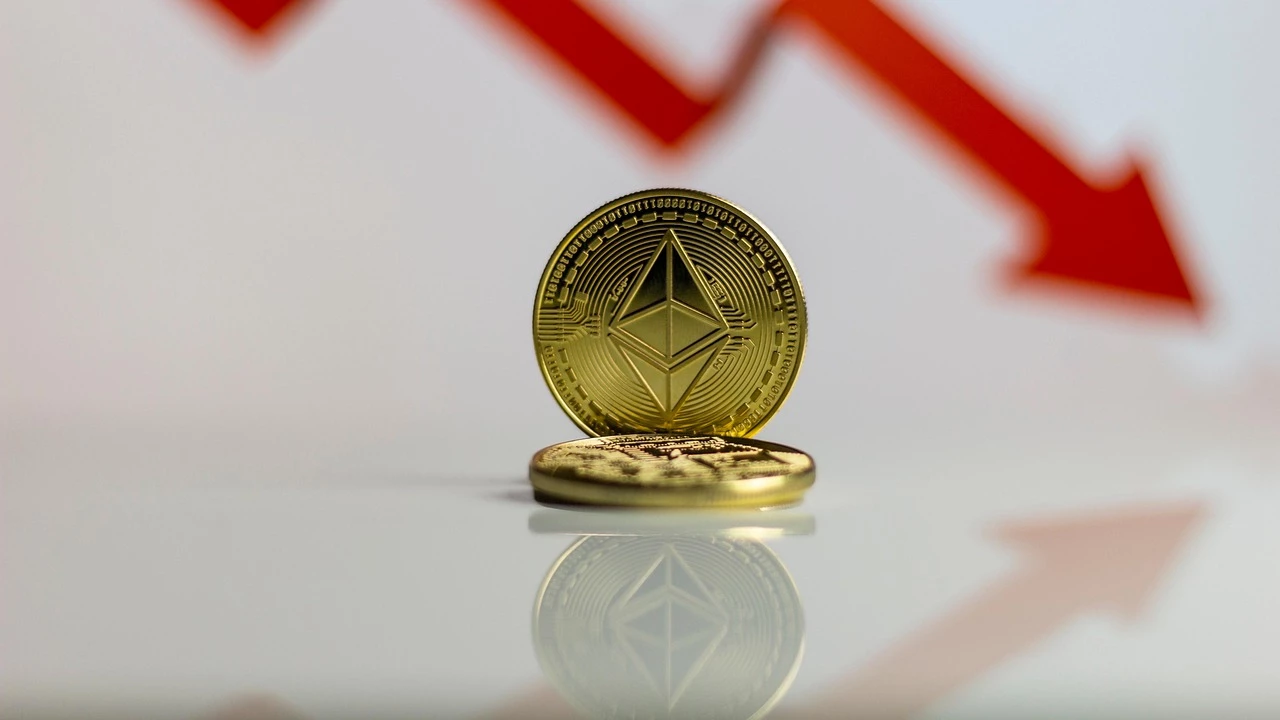
Ethereum's Evolving Ecosystem: A Deep Dive into DeFi, NFTs, and Future Trends
Ethereum has emerged as a powerhouse in the blockchain landscape, transforming how we think about decentralized finance (DeFi) and non-fungible tokens (NFTs).
With its robust infrastructure and vibrant community, Ethereum has become the go-to platform for developers and innovators alike.
This article delves into Ethereum's evolving ecosystem, highlighting key trends, challenges, and what lies ahead for this groundbreaking network.
The Rise of Decentralized Finance (DeFi) on Ethereum
What is DeFi?
Decentralized Finance, or DeFi, refers to financial services that operate on blockchain technology without traditional intermediaries.
Ethereum's smart contracts allow developers to create applications that facilitate lending, borrowing, trading, and earning interest without centralized control.
Key DeFi Protocols on Ethereum
Leading DeFi protocols such as Uniswap, Aave, and Compound have gained significant traction, attracting billions in total value locked (TVL).
These platforms enable users to trade assets, lend cryptocurrencies, and earn yields, all while maintaining custody of their funds.
Challenges Facing DeFi
Despite its growth, DeFi faces challenges including regulatory scrutiny, security vulnerabilities, and high gas fees during peak network usage.
Ensuring user safety and compliance with regulations will be essential for the sustainable growth of DeFi on Ethereum.
NFTs: A New Frontier for Creators and Collectors
The NFT Boom
Non-fungible tokens have revolutionized the art and entertainment industries by enabling digital ownership of unique assets.
Ethereum has become the primary platform for minting and trading NFTs, with platforms like OpenSea leading the way.
Use Cases Beyond Art
NFTs are not limited to art; they are being used in gaming, music, and even virtual real estate, showcasing their versatility.
Brands are leveraging NFTs for marketing campaigns, creating unique experiences that engage consumers in innovative ways.
Future Trends in NFTs
As the market matures, we can expect to see more utility-driven NFTs, such as those offering access to exclusive content or experiences.
Interoperability between different blockchains may also emerge, allowing for broader NFT ecosystems.
Ethereum 2.0: Scaling and Sustainability
What is Ethereum 2.0?
Ethereum 2.0 represents a significant upgrade aimed at improving the network's scalability, security, and sustainability.
Transitioning from proof-of-work to proof-of-stake, Ethereum 2.0 aims to reduce energy consumption and increase transaction throughput.
The Impact of Layer 2 Solutions
Layer 2 solutions like Optimism and Arbitrum are gaining traction, offering faster transactions and lower fees while leveraging Ethereum's security.
These solutions enhance user experience and address some of the limitations of the Ethereum mainnet.
Challenges Ahead
The transition to Ethereum 2.0 is complex and requires careful coordination among developers, validators, and the community.
Ensuring a smooth migration while maintaining network security is critical for Ethereum's long-term success.
The Regulatory Landscape and Its Impact on Ethereum
Current Regulations Affecting Ethereum
Regulatory bodies around the world are increasingly scrutinizing cryptocurrencies, including Ethereum and its DeFi applications.
Understanding the regulatory environment is crucial for developers and investors alike, as compliance can impact project viability.
Most outcomes in Ethereum's Evolving Ecosystem: A Deep Dive into DeFi, NFTs, and Future Trends come from repeatable systems. Define assumptions, risks, invalidation points, and a recheck cadence. This habit beats narratives. Use KULA as a lens, but let decisions follow current data, not hype. Operating in Ethereum's Evolving Ecosystem: A Deep Dive into DeFi, NFTs, and Future Trends benefits from early telemetry and automated dashboards. Transparency reduces rework and panic moves. When KULA shifts, context is already captured, so you can adjust calmly instead of reacting late. Clarity in scope and metrics keeps teams aligned in Ethereum's Evolving Ecosystem: A Deep Dive into DeFi, NFTs, and Future Trends. Write crisp definitions of done, instrument the path to green, and audit dependencies. Small, testable changes lower risk and speed up feedback. Builders who last in Ethereum's Evolving Ecosystem: A Deep Dive into DeFi, NFTs, and Future Trends do unglamorous work. Document edge cases, measure latency, track fees and liquidity, and review error budgets. Discipline compounds faster than hot takes. Treat KULA as one variable in a wider model. Focus on liquidity, counterparty risk, and execution quality in Ethereum's Evolving Ecosystem: A Deep Dive into DeFi, NFTs, and Future Trends. Prefer clear fee schedules and avoid hidden slippage. When uncertainty rises, reduce position size and extend review intervals.
Builders who last in Ethereum's Evolving Ecosystem: A Deep Dive into DeFi, NFTs, and Future Trends do unglamorous work. Document edge cases, measure latency, track fees and liquidity, and review error budgets. Discipline compounds faster than hot takes. Treat KULA as one variable in a wider model. Most outcomes in Ethereum's Evolving Ecosystem: A Deep Dive into DeFi, NFTs, and Future Trends come from repeatable systems. Define assumptions, risks, invalidation points, and a recheck cadence. This habit beats narratives. Use KULA as a lens, but let decisions follow current data, not hype. Focus on liquidity, counterparty risk, and execution quality in Ethereum's Evolving Ecosystem: A Deep Dive into DeFi, NFTs, and Future Trends. Prefer clear fee schedules and avoid hidden slippage. When uncertainty rises, reduce position size and extend review intervals.
The Importance of Compliance
Projects that prioritize compliance will likely gain more trust from users and regulators, potentially leading to greater adoption.
Collaboration between industry stakeholders and regulators may pave the way for clearer guidelines and a more stable market.
Future Regulatory Trends
As the cryptocurrency space evolves, we can expect ongoing dialogue between regulators and the crypto community to shape future policies.
Staying informed about regulatory changes will be essential for anyone involved in the Ethereum ecosystem.
Key Takeaways
- Size positions small and review weekly.
- Security checks precede any deployment.
- Prefer liquid venues and clear fees.
- Use data, not headlines, to decide.