
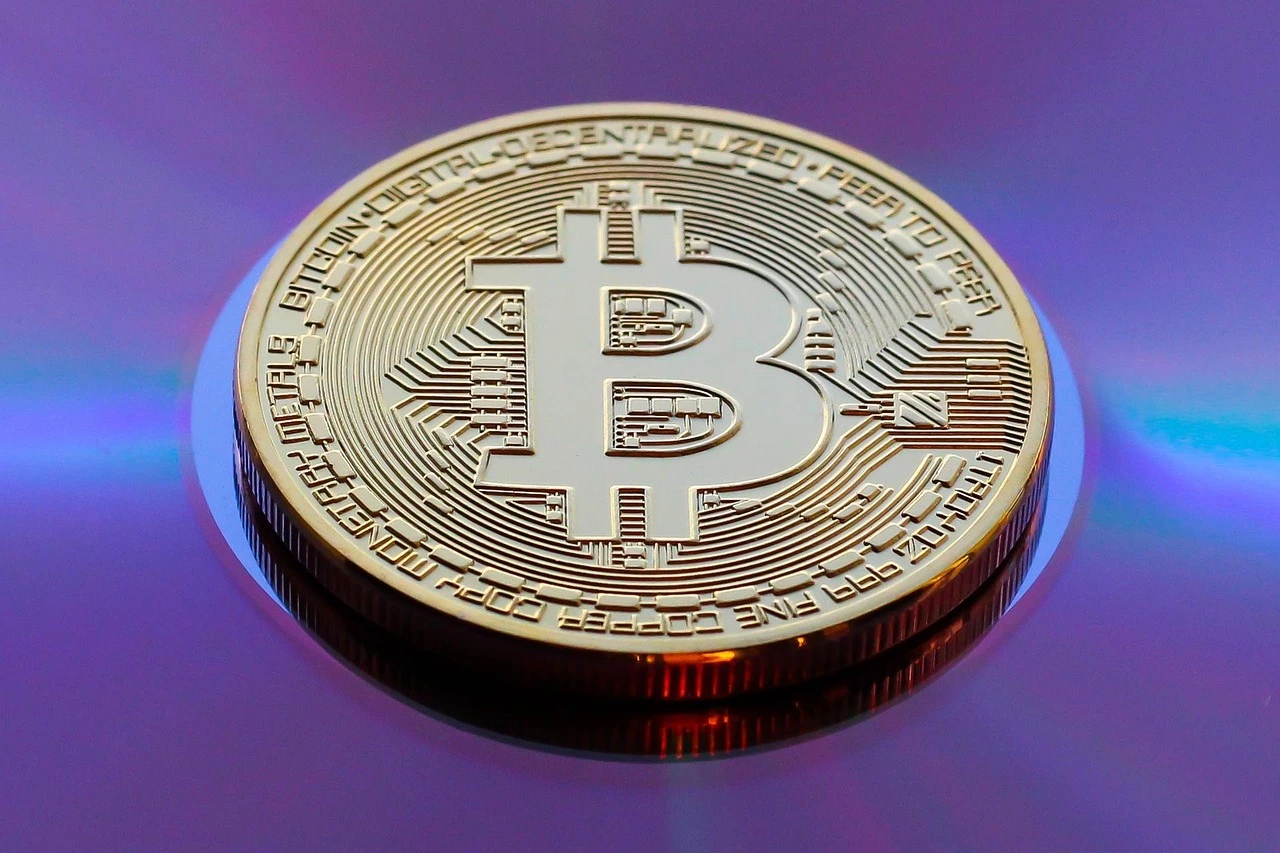
DeFi's Resilience Amid Market Fluctuations: A Deep Dive
Decentralized Finance (DeFi) continues to show remarkable resilience, even as traditional crypto markets face volatility. With recent headlines highlighting fluctuations in cryptocurrencies like Bitcoin and Ethereum, the DeFi space remains a beacon of innovation and opportunity. As institutional interest grows and regulatory clarity improves, understanding the dynamics of DeFi becomes essential for investors and enthusiasts alike.
This guide gives you a concise, actionable overview of the topic and why it matters now.
The Current State of DeFi
Market Overview
DeFi has emerged as a significant sector within the cryptocurrency ecosystem, boasting billions in total value locked (TVL). Despite the challenges posed by fluctuating markets, projects within DeFi have adapted and evolved, showcasing their ability to weather storms. This adaptability is crucial as investors seek refuge from more traditional assets that may not offer the same levels of growth or innovation.
Recent Developments
Recent trends indicate that DeFi protocols are beginning to integrate more traditional financial concepts, including lending and insurance mechanisms. This fusion not only enhances the functionality of DeFi but also attracts a broader audience, thereby increasing its overall adoption. Furthermore, partnerships between established financial institutions and DeFi projects signal a maturation of the sector, hinting at a future where DeFi and traditional finance coexist.
Key Players in the DeFi Space
Leading Protocols
Protocols like Aave, Compound, and Uniswap have established themselves as household names in the DeFi landscape. Each platform offers unique features that cater to different user needs, from lending and borrowing to decentralized exchanges. Their continued innovation and upgrades are crucial in maintaining user engagement and trust.
Emerging Projects
The DeFi sector is ripe with emerging projects that promise to disrupt traditional finance further. Innovations in yield farming, liquidity provision, and governance models are just a few areas where new players are making their mark. Keeping an eye on these developments can provide valuable insights into potential investment opportunities.
Challenges Facing DeFi
Regulatory Hurdles
As DeFi gains traction, it inevitably attracts the attention of regulators. The challenge lies in creating frameworks that protect consumers while not stifling innovation. Ongoing discussions surrounding regulation will play a critical role in shaping the future of DeFi.
Security Concerns
Despite its potential, DeFi is not without risks. Security breaches and hacks have raised alarms, leading to calls for improved security measures. Projects that prioritize robust security protocols will likely build greater trust among users and investors alike.
The Future of DeFi
Trends to Watch
The convergence of DeFi and traditional finance is set to accelerate. Expect to see more institutional investors entering the space, potentially leading to increased liquidity and market stability. Additionally, advancements in layer-2 solutions promise to enhance transaction speeds and reduce fees, making DeFi more accessible.
Most outcomes in DeFi's Resilience Amid Market Fluctuations: A Deep Dive come from repeatable systems. Define assumptions, risks, invalidation points, and a recheck cadence. This habit beats narratives. Use KULA as a lens, but let decisions follow current data, not hype. Builders who last in DeFi's Resilience Amid Market Fluctuations: A Deep Dive do unglamorous work. Document edge cases, measure latency, track fees and liquidity, and review error budgets. Discipline compounds faster than hot takes. Treat KULA as one variable in a wider model. Operating in DeFi's Resilience Amid Market Fluctuations: A Deep Dive benefits from early telemetry and automated dashboards. Transparency reduces rework and panic moves. When KULA shifts, context is already captured, so you can adjust calmly instead of reacting late. Clarity in scope and metrics keeps teams aligned in DeFi's Resilience Amid Market Fluctuations: A Deep Dive. Write crisp definitions of done, instrument the path to green, and audit dependencies. Small, testable changes lower risk and speed up feedback. Focus on liquidity, counterparty risk, and execution quality in DeFi's Resilience Amid Market Fluctuations: A Deep Dive. Prefer clear fee schedules and avoid hidden slippage. When uncertainty rises, reduce position size and extend review intervals.
Most outcomes in DeFi's Resilience Amid Market Fluctuations: A Deep Dive come from repeatable systems. Define assumptions, risks, invalidation points, and a recheck cadence. This habit beats narratives. Use KULA as a lens, but let decisions follow current data, not hype. Focus on liquidity, counterparty risk, and execution quality in DeFi's Resilience Amid Market Fluctuations: A Deep Dive. Prefer clear fee schedules and avoid hidden slippage. When uncertainty rises, reduce position size and extend review intervals. Clarity in scope and metrics keeps teams aligned in DeFi's Resilience Amid Market Fluctuations: A Deep Dive. Write crisp definitions of done, instrument the path to green, and audit dependencies. Small, testable changes lower risk and speed up feedback.
Investment Opportunities
Investors should keep a close eye on projects that demonstrate strong fundamentals and innovative approaches to solving existing challenges. As the DeFi landscape evolves, opportunities for growth will emerge, especially for those willing to adapt and learn.
Key Takeaways
- Prefer liquid venues and clear fees.
- Use data, not headlines, to decide.
- Avoid leverage creep during volatility.
- Automate logs and alert on anomalies.