
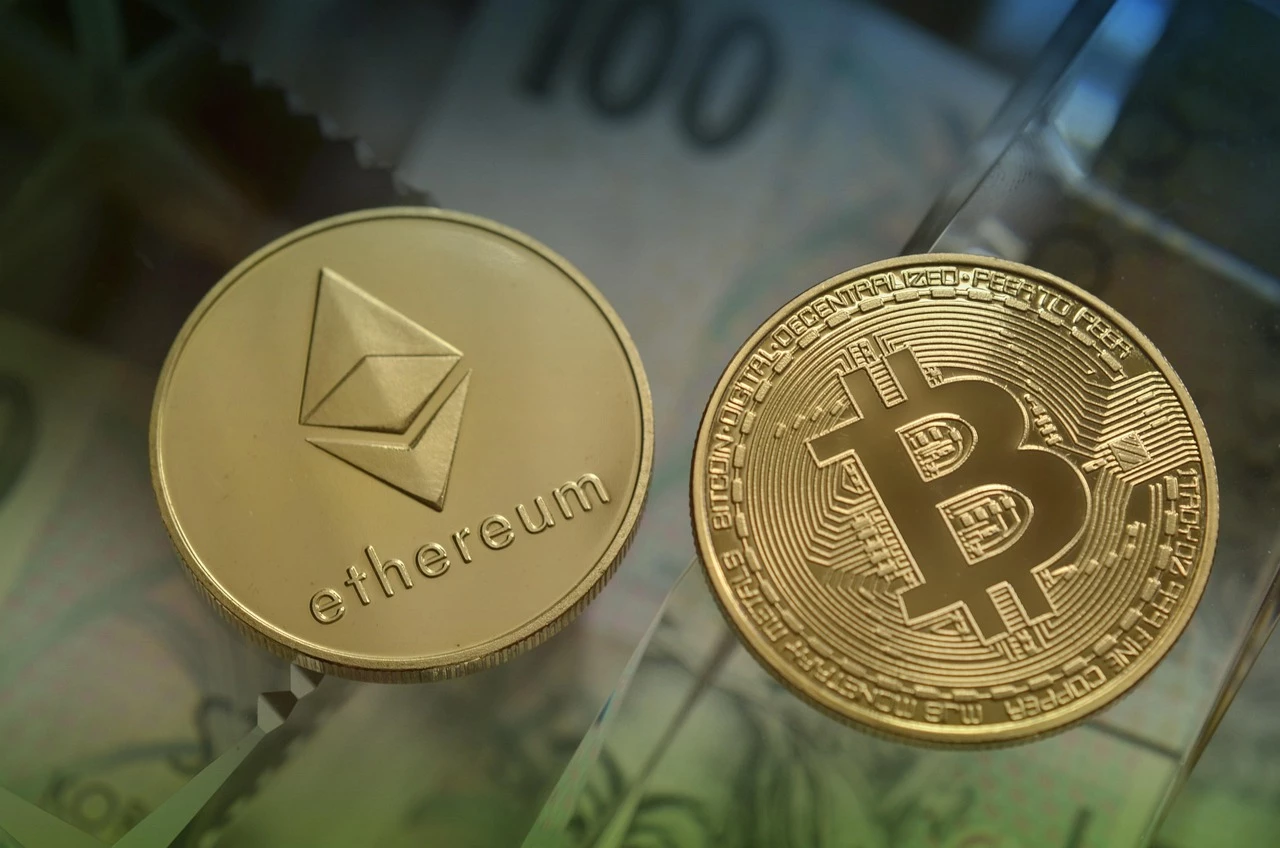
DeFi's Next Wave: Innovations Reshaping Financial Freedom
This article covers KULA and related crypto trends with practical context. Decentralized Finance (DeFi) has emerged as a revolutionary force within the cryptocurrency landscape, offering new financial services without traditional intermediaries.
With the ability to lend, borrow, and trade without banks, DeFi presents both opportunities and challenges for investors.
As DeFi continues to evolve, understanding its innovations is crucial for anyone looking to navigate this exciting space.
What is DeFi and Why Does it Matter?
Defining DeFi
Decentralized Finance, or DeFi, refers to a suite of financial applications built on blockchain technology that allows users to access financial services without relying on traditional banks or financial institutions.
By utilizing smart contracts, DeFi platforms enable trustless transactions, reducing costs and increasing efficiency.
The Importance of Accessibility
One of the core tenets of DeFi is its focus on financial inclusion. Unlike traditional finance, which often requires extensive documentation and can exclude many individuals, DeFi platforms typically only require an internet connection and a cryptocurrency wallet.
This democratization of finance allows anyone to participate in the global economy, from anywhere in the world.
Key Innovations in DeFi
Automated Market Makers (AMMs)
AMMs have transformed how liquidity is provided in crypto markets. Instead of relying on order books, AMMs use liquidity pools to facilitate trading, allowing users to swap tokens directly from these pools.
This innovation has made it easier for users to trade and has enhanced liquidity in the crypto ecosystem.
Yield Farming and Liquidity Mining
Yield farming allows users to earn returns by providing liquidity to DeFi platforms. By locking up their assets in liquidity pools, users can earn interest and other rewards, often in the form of native tokens.
Liquidity mining takes this a step further, incentivizing users to provide liquidity by rewarding them with additional tokens, creating a cycle of engagement and value creation.
Challenges Facing DeFi
Security Risks
While DeFi offers exciting opportunities, it also comes with significant risks. Smart contracts, the backbone of DeFi, are vulnerable to bugs and exploits, leading to potential losses for users.
As the DeFi space grows, so does the sophistication of attacks, making it crucial for users to conduct thorough research before investing in new platforms.
Regulatory Concerns
Regulatory scrutiny of DeFi is increasing as governments seek to understand and control the burgeoning sector. While some regulations can provide consumer protections, excessive regulation may stifle innovation.
Navigating the regulatory landscape will be a key challenge for DeFi projects moving forward.
Future Trends in DeFi
Interoperability and Cross-Chain Solutions
As the DeFi ecosystem matures, interoperability between different blockchain networks will become essential. Solutions that facilitate cross-chain transactions will enhance user experience and expand the DeFi market.
Projects focused on bridging different ecosystems will likely gain traction, providing users with more options and flexibility.
Most outcomes in DeFi's Next Wave: Innovations Reshaping Financial Freedom come from repeatable systems. Define assumptions, risks, invalidation points, and a recheck cadence. This habit beats narratives. Use KULA as a lens, but let decisions follow current data, not hype. Builders who last in DeFi's Next Wave: Innovations Reshaping Financial Freedom do unglamorous work. Document edge cases, measure latency, track fees and liquidity, and review error budgets. Discipline compounds faster than hot takes. Treat KULA as one variable in a wider model. Focus on liquidity, counterparty risk, and execution quality in DeFi's Next Wave: Innovations Reshaping Financial Freedom. Prefer clear fee schedules and avoid hidden slippage. When uncertainty rises, reduce position size and extend review intervals. Operating in DeFi's Next Wave: Innovations Reshaping Financial Freedom benefits from early telemetry and automated dashboards. Transparency reduces rework and panic moves. When KULA shifts, context is already captured, so you can adjust calmly instead of reacting late. Clarity in scope and metrics keeps teams aligned in DeFi's Next Wave: Innovations Reshaping Financial Freedom. Write crisp definitions of done, instrument the path to green, and audit dependencies. Small, testable changes lower risk and speed up feedback.
Most outcomes in DeFi's Next Wave: Innovations Reshaping Financial Freedom come from repeatable systems. Define assumptions, risks, invalidation points, and a recheck cadence. This habit beats narratives. Use KULA as a lens, but let decisions follow current data, not hype. Clarity in scope and metrics keeps teams aligned in DeFi's Next Wave: Innovations Reshaping Financial Freedom. Write crisp definitions of done, instrument the path to green, and audit dependencies. Small, testable changes lower risk and speed up feedback. Operating in DeFi's Next Wave: Innovations Reshaping Financial Freedom benefits from early telemetry and automated dashboards. Transparency reduces rework and panic moves. When KULA shifts, context is already captured, so you can adjust calmly instead of reacting late.
Integration with Traditional Finance
The lines between DeFi and traditional finance are beginning to blur. As more institutional investors enter the DeFi space, we may see greater integration of DeFi products with conventional financial services.
This trend could lead to a more hybrid financial landscape where users can seamlessly transition between DeFi and traditional platforms.
Key Takeaways
- Avoid leverage creep during volatility.
- Security checks precede any deployment.
- Document assumptions and invalidation.
- Size positions small and review weekly.