
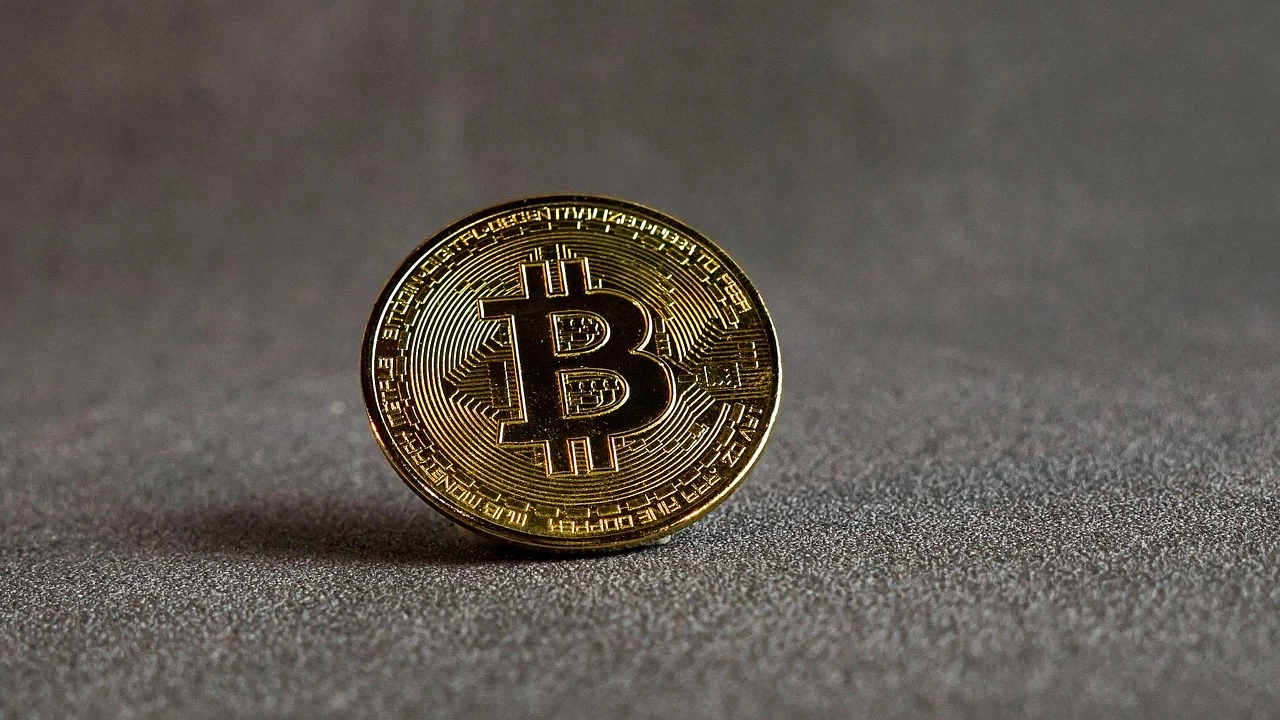
DeFi's Evolution: How Decentralized Finance is Reshaping Investment Strategies
This article covers KULA and related crypto trends with practical context. Decentralized Finance (DeFi) is revolutionizing the financial landscape by providing innovative investment strategies that bypass traditional intermediaries. With the rise of blockchain technology, DeFi platforms have emerged as viable alternatives for investors seeking greater control and flexibility over their assets.
In this article, we delve into the mechanisms of DeFi, its impact on investment strategies, and actionable insights for those looking to navigate this dynamic ecosystem. From yield farming to liquidity pools, understanding these concepts is crucial for anyone interested in maximizing their returns in the crypto space.
The Rise of DeFi: A New Era of Financial Services
What is DeFi?
Decentralized Finance, or DeFi, refers to a movement that aims to recreate traditional financial systems—like lending, borrowing, and trading—using blockchain technology. Unlike traditional finance, DeFi operates without a central authority, allowing for peer-to-peer transactions that enhance accessibility and efficiency.
The DeFi ecosystem consists of various protocols and platforms, each offering unique services and features. These range from decentralized exchanges (DEXs) to automated market makers (AMMs), all designed to give users more control over their financial activities.
Key Components of DeFi
Several key components make up the DeFi landscape, including smart contracts, liquidity pools, and decentralized applications (dApps). Smart contracts are self-executing contracts with the terms of the agreement directly written into code, allowing for automated transactions without intermediaries.
Liquidity pools are essential for enabling trading on DEXs. They consist of locked assets that provide liquidity to traders, ensuring seamless transactions while earning interest for liquidity providers. dApps serve as user interfaces for engaging with DeFi protocols, making it easier for individuals to interact with complex financial instruments.
Investment Strategies in the DeFi Space
Yield Farming: Maximizing Returns
Yield farming has become one of the most popular investment strategies within the DeFi ecosystem. It involves lending or staking cryptocurrencies in exchange for interest or rewards, often in the form of governance tokens. This strategy allows investors to earn passive income while maintaining their positions in the crypto market.
However, yield farming comes with risks, such as impermanent loss and smart contract vulnerabilities. Investors must conduct thorough research and understand the protocols they are engaging with to mitigate these risks effectively.
Liquidity Mining: Earning Through Participation
Liquidity mining is a form of yield farming where users provide liquidity to a protocol and are rewarded with tokens. This strategy not only helps maintain the liquidity of the platform but also allows participants to earn additional tokens that can appreciate in value over time. It’s a win-win situation for both the protocol and the liquidity providers.
As DeFi continues to evolve, liquidity mining opportunities are becoming more abundant, encouraging users to explore different platforms and diversify their investments.
Challenges and Risks of DeFi
Smart Contract Vulnerabilities
One of the main challenges in the DeFi space is the potential for smart contract vulnerabilities. Bugs or exploits in the code can lead to significant financial losses for users. It's crucial for investors to prioritize security audits and choose reputable protocols with a proven track record.
While the decentralized nature of DeFi enhances security and transparency, it also places the onus of responsibility on users to conduct due diligence before engaging with any platform.
Regulatory Uncertainty
As DeFi gains popularity, regulatory bodies worldwide are beginning to take notice. The lack of clear regulations can create uncertainty for investors and developers alike. Adapting to evolving regulatory frameworks will be vital for the continued growth of DeFi.
Investors should stay informed about regulatory developments in their jurisdictions and consider the potential implications for their investments.
Practical Considerations
What to watch
Focus on costs, liquidity, security, and user experience.
Builders who last in DeFi's Evolution: How Decentralized Finance is Reshaping Investment Strategies do unglamorous work. Document edge cases, measure latency, track fees and liquidity, and review error budgets. Discipline compounds faster than hot takes. Treat KULA as one variable in a wider model. Most outcomes in DeFi's Evolution: How Decentralized Finance is Reshaping Investment Strategies come from repeatable systems. Define assumptions, risks, invalidation points, and a recheck cadence. This habit beats narratives. Use KULA as a lens, but let decisions follow current data, not hype. Clarity in scope and metrics keeps teams aligned in DeFi's Evolution: How Decentralized Finance is Reshaping Investment Strategies. Write crisp definitions of done, instrument the path to green, and audit dependencies. Small, testable changes lower risk and speed up feedback.
Builders who last in DeFi's Evolution: How Decentralized Finance is Reshaping Investment Strategies do unglamorous work. Document edge cases, measure latency, track fees and liquidity, and review error budgets. Discipline compounds faster than hot takes. Treat KULA as one variable in a wider model. Focus on liquidity, counterparty risk, and execution quality in DeFi's Evolution: How Decentralized Finance is Reshaping Investment Strategies. Prefer clear fee schedules and avoid hidden slippage. When uncertainty rises, reduce position size and extend review intervals. Operating in DeFi's Evolution: How Decentralized Finance is Reshaping Investment Strategies benefits from early telemetry and automated dashboards. Transparency reduces rework and panic moves. When KULA shifts, context is already captured, so you can adjust calmly instead of reacting late.
Key Takeaways
- Security checks precede any deployment.
- Test changes on small capital first.
- Cut losers early, let winners work.
- Prefer liquid venues and clear fees.