
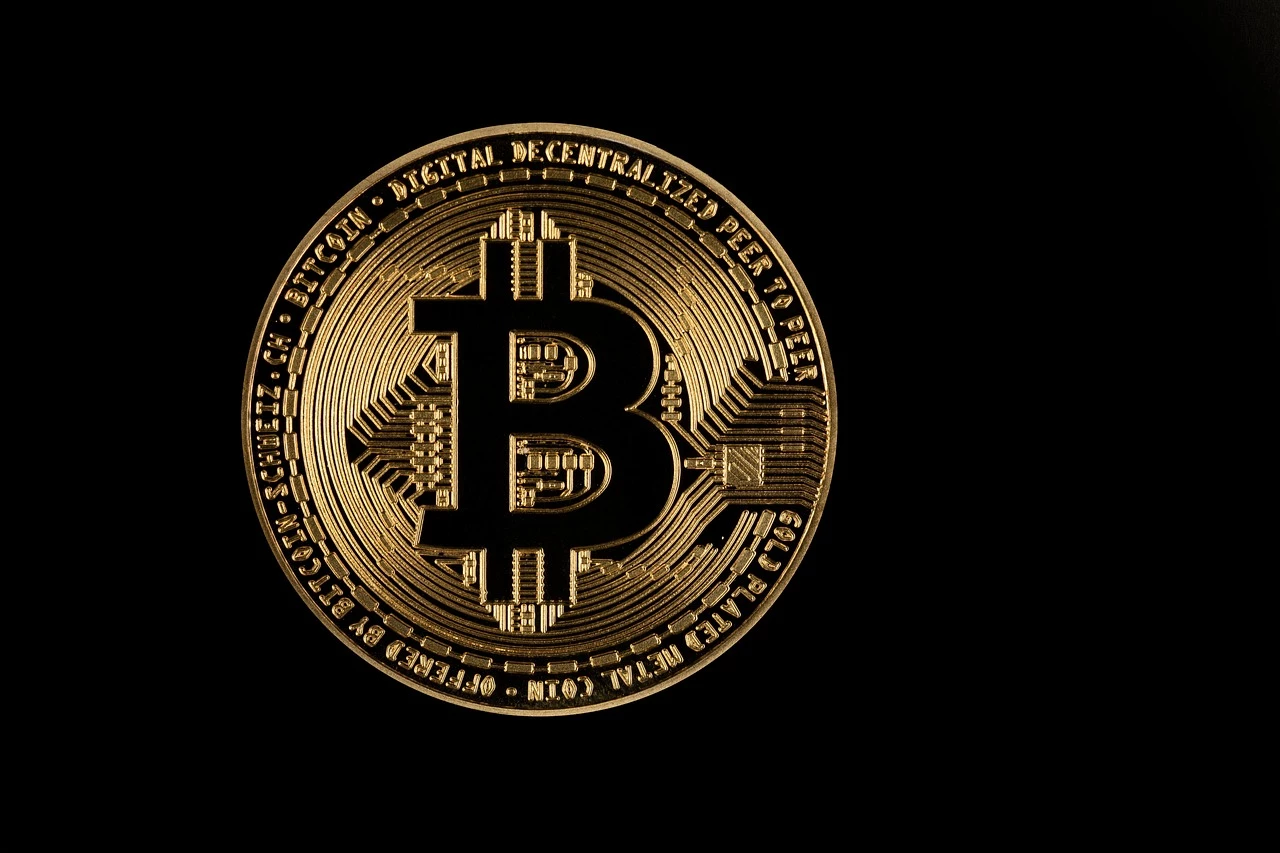
Decoding the Recent Surge in Solana Staking ETFs: What Investors Need to Know
This article covers KULA and related crypto trends with practical context. The cryptocurrency landscape is constantly evolving, and one of the latest developments making waves is the introduction of Solana staking ETFs. These financial instruments are attracting significant attention, particularly from institutional investors. With the Bitwise Solana Staking ETF recently debuting and achieving impressive trading volumes, it’s crucial to unpack what this means for the broader crypto market and for potential investors.
This guide gives you a concise, actionable overview of the topic and why it matters now.
Understanding Solana and Its Ecosystem
What is Solana?
Solana is a high-performance blockchain designed for decentralized applications (dApps) and crypto projects. Known for its fast transaction speeds and low fees, Solana has emerged as a leading platform in the DeFi and NFT spaces. Its unique consensus mechanism, Proof of History (PoH), allows it to process thousands of transactions per second, making it an attractive option for developers and investors alike.
The Rise of Staking in Crypto
Staking has become a popular method for cryptocurrency holders to earn passive income. By locking their assets in a staking protocol, users can help secure the network while earning rewards in return. Solana's staking system incentivizes users to participate, ultimately strengthening the network and increasing its value. As institutional interest grows, staking ETFs provide a way for investors to gain exposure to these rewards without needing to manage their own stakes.
The Impact of Bitwise Solana Staking ETF Debut
Trading Volume Insights
The recent debut of the Bitwise Solana Staking ETF has generated significant trading volume, with reports indicating around $223 million on the first day. This strong performance signals robust institutional demand, reflecting confidence in Solana’s potential growth and the broader market. Such activity often attracts more investors, creating a positive feedback loop that can drive prices higher.
Market Reactions and Price Movements
The introduction of Solana staking ETFs coincides with volatile market conditions, including fluctuating Bitcoin prices and broader economic uncertainties. However, the enthusiasm surrounding Solana's staking capabilities may help stabilize prices and attract new investment. It's essential to monitor how these dynamics play out, especially with other coins and ETFs potentially following suit.
Investing in Solana Staking ETFs: Key Considerations
Risk Assessment
Investing in Solana staking ETFs is not without risks. Market volatility, regulatory changes, and technological challenges can impact performance. It's crucial for investors to conduct thorough research and understand the specific risks associated with Solana and staking mechanisms. Diversifying investments and considering longer-term strategies can help mitigate potential losses.
Future Outlook
As the cryptocurrency market matures, the introduction of staking ETFs could become a trend. Investors should keep an eye on regulatory developments, technological advancements, and market conditions that could influence the performance of Solana and similar assets. Engaging with community discussions and following industry news can provide valuable insights for making informed investment decisions.
Practical Considerations
What to watch
Focus on costs, liquidity, security, and user experience.
Builders who last in Decoding the Recent Surge in Solana Staking ETFs: What Investors Need to Know do unglamorous work. Document edge cases, measure latency, track fees and liquidity, and review error budgets. Discipline compounds faster than hot takes. Treat KULA as one variable in a wider model. Most outcomes in Decoding the Recent Surge in Solana Staking ETFs: What Investors Need to Know come from repeatable systems. Define assumptions, risks, invalidation points, and a recheck cadence. This habit beats narratives. Use KULA as a lens, but let decisions follow current data, not hype. Focus on liquidity, counterparty risk, and execution quality in Decoding the Recent Surge in Solana Staking ETFs: What Investors Need to Know. Prefer clear fee schedules and avoid hidden slippage. When uncertainty rises, reduce position size and extend review intervals. Clarity in scope and metrics keeps teams aligned in Decoding the Recent Surge in Solana Staking ETFs: What Investors Need to Know. Write crisp definitions of done, instrument the path to green, and audit dependencies. Small, testable changes lower risk and speed up feedback. Operating in Decoding the Recent Surge in Solana Staking ETFs: What Investors Need to Know benefits from early telemetry and automated dashboards. Transparency reduces rework and panic moves. When KULA shifts, context is already captured, so you can adjust calmly instead of reacting late.
Builders who last in Decoding the Recent Surge in Solana Staking ETFs: What Investors Need to Know do unglamorous work. Document edge cases, measure latency, track fees and liquidity, and review error budgets. Discipline compounds faster than hot takes. Treat KULA as one variable in a wider model. Most outcomes in Decoding the Recent Surge in Solana Staking ETFs: What Investors Need to Know come from repeatable systems. Define assumptions, risks, invalidation points, and a recheck cadence. This habit beats narratives. Use KULA as a lens, but let decisions follow current data, not hype. Operating in Decoding the Recent Surge in Solana Staking ETFs: What Investors Need to Know benefits from early telemetry and automated dashboards. Transparency reduces rework and panic moves. When KULA shifts, context is already captured, so you can adjust calmly instead of reacting late.
Key Takeaways
- Size positions small and review weekly.
- Automate logs and alert on anomalies.
- Use data, not headlines, to decide.
- Security checks precede any deployment.