
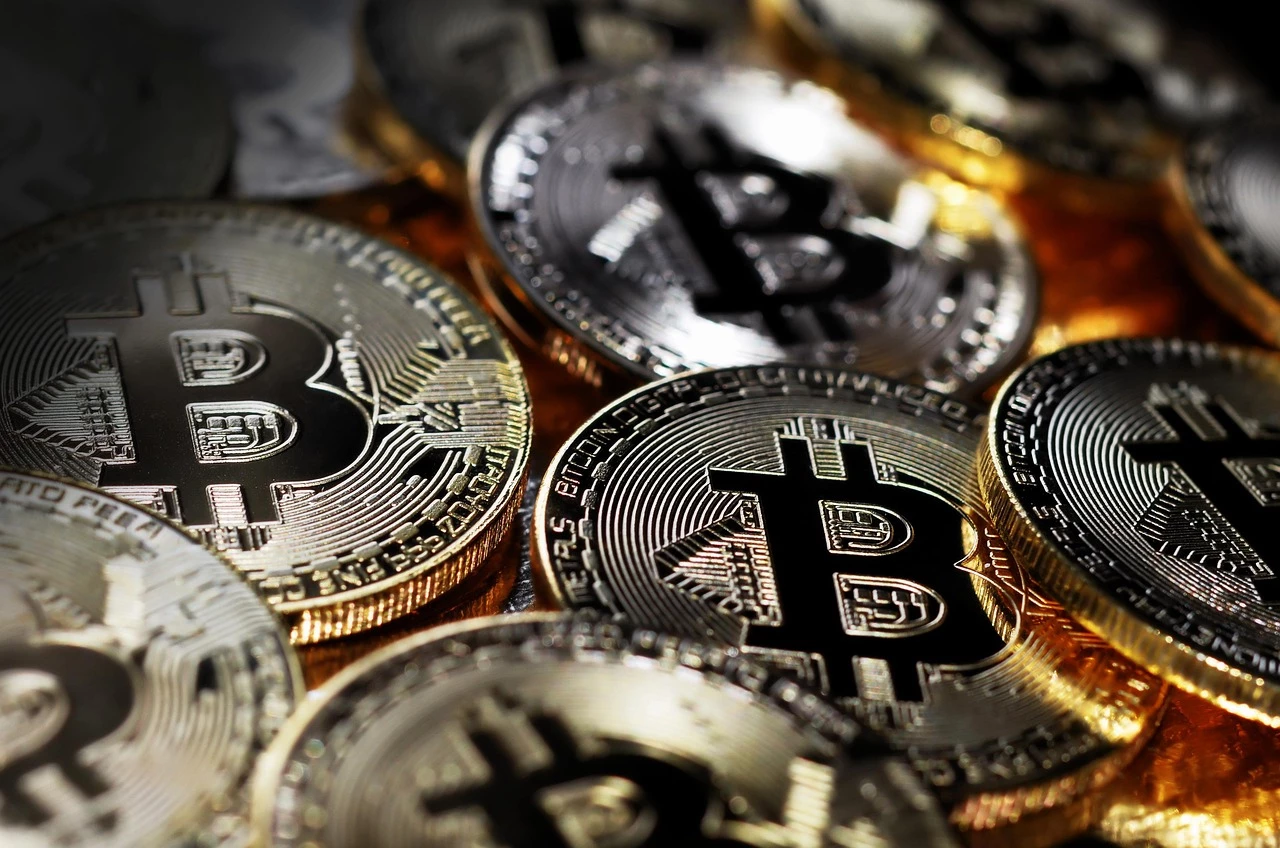
Decoding the Impact of Bitcoin's Market Fluctuations on Altcoins
Bitcoin's recent market fluctuations have sent ripples through the cryptocurrency ecosystem, affecting not just its price but also the performance of altcoins. As the leading cryptocurrency, Bitcoin often sets the tone for the entire market, and its volatility can significantly impact investor sentiment and trading strategies. Understanding these dynamics is crucial for anyone looking to navigate the crypto space successfully.
This guide gives you a concise, actionable overview of the topic and why it matters now.
The Ripple Effect of Bitcoin's Price Movements
How Bitcoin Influences Altcoin Prices
Bitcoin's price movements are closely watched by investors and traders alike. When Bitcoin experiences a sharp drop or surge, altcoins often follow suit, either amplifying gains or exacerbating losses. This phenomenon occurs because many altcoins are paired with Bitcoin in trading markets, making their value inherently tied to Bitcoin's performance. For instance, during significant market corrections, altcoins tend to lose value as traders move their assets to Bitcoin, considered a safer option during volatile periods.
Market Sentiment and Investor Behavior
The behavior of retail and institutional investors plays a crucial role in the ripple effect of Bitcoin's price changes. When Bitcoin's price rises, it tends to create a bullish sentiment, leading to increased investments in altcoins. Conversely, when Bitcoin falls, fear and uncertainty often lead investors to liquidate their altcoin holdings to minimize losses. This cycle of behavior creates a feedback loop that can lead to heightened volatility in the altcoin market.
Analyzing Recent Trends in Bitcoin and Altcoin Performance
Current Market Conditions
Recent data indicates that Bitcoin has faced significant pressure, dipping below critical support levels. Such conditions have prompted speculation about further corrections and their potential impact on the altcoin market. As seen in previous market cycles, prolonged bearish sentiment surrounding Bitcoin often leads to a decrease in altcoin valuations, creating challenges for investors.
Key Altcoins Affected by Bitcoin's Movements
Altcoins such as Ethereum, Chainlink, and Cardano have shown varying degrees of sensitivity to Bitcoin's price actions. For example, during Bitcoin's recent downturn, Ethereum saw its own price corrections, highlighting its correlation with Bitcoin's performance. Understanding which altcoins are more susceptible to Bitcoin's volatility can help investors make informed decisions about their portfolios.
Strategies for Navigating Bitcoin-Driven Market Changes
Diversification as a Risk Management Tool
One effective strategy for mitigating risks associated with Bitcoin's fluctuations is diversification. By spreading investments across multiple altcoins and sectors within the crypto market, investors can reduce the impact of Bitcoin's price movements on their overall portfolio. Diversification helps in capturing potential gains from altcoins that may perform well independently of Bitcoin's trajectory.
Utilizing Technical Analysis
Technical analysis can be a valuable tool for navigating the volatility caused by Bitcoin's price changes. By studying price patterns, support and resistance levels, and market indicators, traders can identify potential entry and exit points for altcoin investments. Staying informed about market trends and utilizing analytical tools can enhance decision-making in an unpredictable market.
Looking Ahead: The Future of Bitcoin and Altcoin Correlation
Potential Scenarios for Bitcoin's Price Movement
As the cryptocurrency market continues to evolve, understanding potential future scenarios for Bitcoin's price movement is essential. Factors such as regulatory developments, macroeconomic conditions, and technological advancements can all influence Bitcoin's trajectory and, consequently, the altcoin market. Investors should remain vigilant and adaptable to navigate these changes effectively.
Most outcomes in Decoding the Impact of Bitcoin's Market Fluctuations on Altcoins come from repeatable systems. Define assumptions, risks, invalidation points, and a recheck cadence. This habit beats narratives. Use KULA as a lens, but let decisions follow current data, not hype. Clarity in scope and metrics keeps teams aligned in Decoding the Impact of Bitcoin's Market Fluctuations on Altcoins. Write crisp definitions of done, instrument the path to green, and audit dependencies. Small, testable changes lower risk and speed up feedback. Focus on liquidity, counterparty risk, and execution quality in Decoding the Impact of Bitcoin's Market Fluctuations on Altcoins. Prefer clear fee schedules and avoid hidden slippage. When uncertainty rises, reduce position size and extend review intervals. Operating in Decoding the Impact of Bitcoin's Market Fluctuations on Altcoins benefits from early telemetry and automated dashboards. Transparency reduces rework and panic moves. When KULA shifts, context is already captured, so you can adjust calmly instead of reacting late.
Clarity in scope and metrics keeps teams aligned in Decoding the Impact of Bitcoin's Market Fluctuations on Altcoins. Write crisp definitions of done, instrument the path to green, and audit dependencies. Small, testable changes lower risk and speed up feedback. Most outcomes in Decoding the Impact of Bitcoin's Market Fluctuations on Altcoins come from repeatable systems. Define assumptions, risks, invalidation points, and a recheck cadence. This habit beats narratives. Use KULA as a lens, but let decisions follow current data, not hype. Focus on liquidity, counterparty risk, and execution quality in Decoding the Impact of Bitcoin's Market Fluctuations on Altcoins. Prefer clear fee schedules and avoid hidden slippage. When uncertainty rises, reduce position size and extend review intervals.
The Role of Altcoins in a Bitcoin-Dominated Market
Despite Bitcoin's dominance, altcoins play a crucial role in the broader cryptocurrency ecosystem. Many altcoins offer unique use cases and innovations that can thrive even in challenging market conditions. As investors look for opportunities beyond Bitcoin, recognizing the potential of promising altcoins can lead to fruitful investments and portfolio diversification.
Key Takeaways
- Prefer liquid venues and clear fees.
- Measure risk before return in Decoding the Impact of Bitcoin's Market Fluctuations on Altcoins.
- Use data, not headlines, to decide.
- Security checks precede any deployment.