
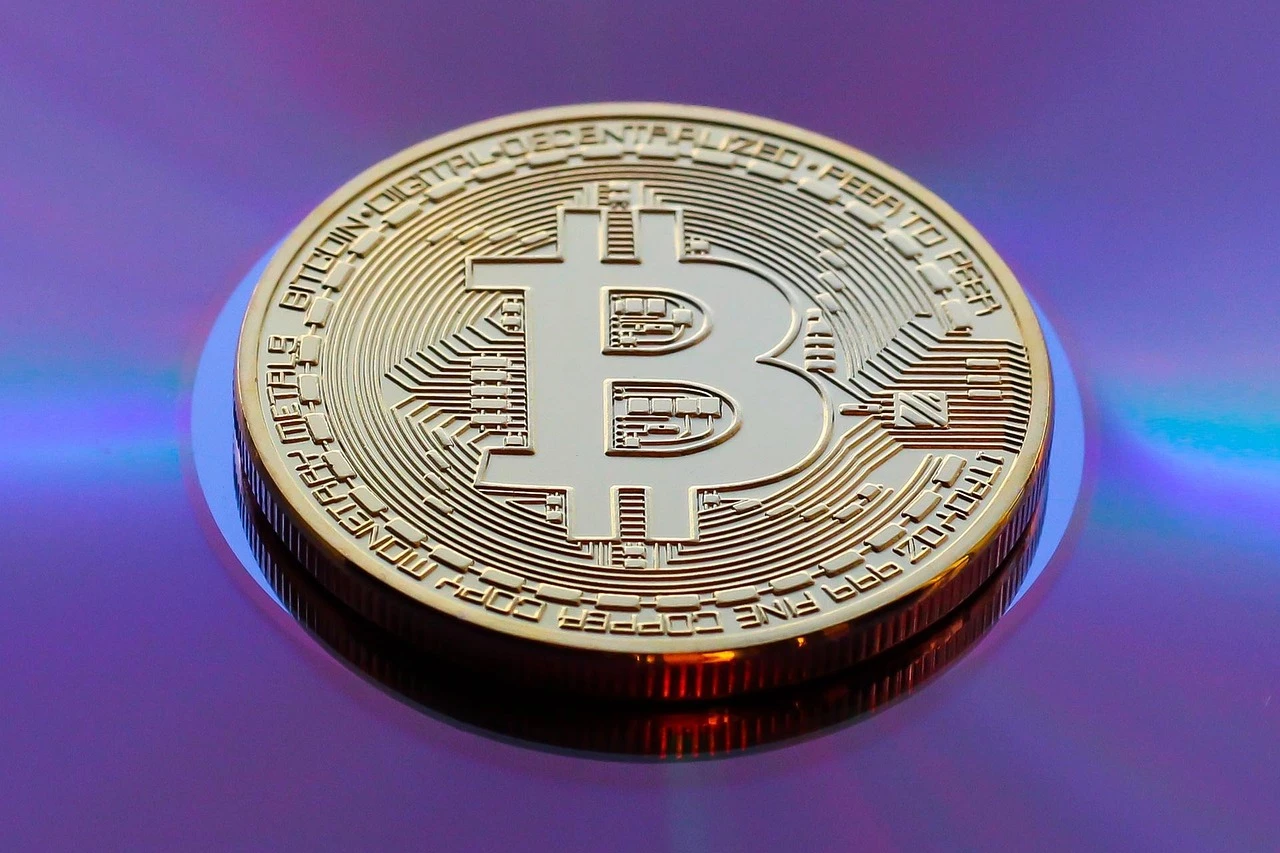
Decentralized Finance: The Next Frontier in Financial Services
This article covers KULA and related crypto trends with practical context. Decentralized finance (DeFi) is revolutionizing the financial services landscape, providing new opportunities for investors and redefining traditional banking systems. As cryptocurrencies gain traction, DeFi platforms are emerging as a pivotal component in this evolving ecosystem. With its promise of transparency, accessibility, and efficiency, DeFi is attracting significant attention from both retail and institutional investors.
The key players in the DeFi space include decentralized exchanges, lending protocols, and yield farming platforms, all of which operate on blockchain technology. These innovations are democratizing access to financial services and challenging the status quo of centralized institutions. By leveraging smart contracts and blockchain networks, DeFi platforms are creating a new paradigm for financial transactions that could potentially reshape our understanding of money and investment.
As we dive deeper into the world of DeFi, we'll explore its underlying principles, the risks and rewards it presents, and what the future holds for this burgeoning sector.
What is Decentralized Finance (DeFi)?
Defining DeFi
Decentralized finance, often abbreviated as DeFi, refers to a movement that leverages blockchain technology to recreate and improve upon traditional financial systems. Unlike conventional finance, which relies on intermediaries such as banks and brokers, DeFi operates on a peer-to-peer basis, allowing users to interact directly with financial services through smart contracts.
These smart contracts are self-executing agreements coded on the blockchain, ensuring that transactions are carried out securely and transparently without the need for a trusted third party. By eliminating intermediaries, DeFi aims to provide a more inclusive financial ecosystem where anyone with an internet connection can access a range of financial services.
Key Components of DeFi
The DeFi landscape encompasses a variety of financial services, including lending, borrowing, trading, and earning interest. Here are some of the key components:
1. **Decentralized Exchanges (DEXs)**: Platforms like Uniswap and SushiSwap allow users to trade cryptocurrencies directly without intermediaries, using liquidity pools to facilitate transactions.
2. **Lending and Borrowing Protocols**: Platforms such as Aave and Compound enable users to lend their assets in exchange for interest or borrow assets against collateral, all managed by smart contracts.
3. **Yield Farming**: This practice involves users providing liquidity to DeFi protocols in exchange for rewards, often in the form of native tokens, maximizing returns on investments.
The Rise of DeFi
Market Growth and Adoption
Since its inception, DeFi has seen exponential growth. In 2020, the total value locked (TVL) in DeFi protocols surged from just over $1 billion to nearly $100 billion by the end of the year. This rapid adoption reflects a growing interest in alternative financial solutions and the desire for greater control over personal finances.
Institutional interest in DeFi is also on the rise, with traditional financial institutions beginning to explore partnerships and investments in DeFi projects. This shift indicates a potential convergence between traditional finance and decentralized finance, paving the way for innovative financial products.
Challenges and Risks
Despite its promise, DeFi is not without challenges. Security risks, including smart contract vulnerabilities and hacking incidents, have raised concerns among users. Additionally, the lack of regulatory clarity can create uncertainty for investors and developers alike.
Moreover, the highly volatile nature of cryptocurrencies poses risks for users engaging in lending and borrowing activities. It is essential for participants to conduct thorough research and understand the risks involved before diving into the DeFi space.
The Future of DeFi
Innovations on the Horizon
As the DeFi ecosystem continues to mature, we can expect to see ongoing innovations that enhance user experience and broaden accessibility. Projects focused on scalability, interoperability, and user-friendly interfaces are likely to gain traction, making DeFi more approachable for mainstream users.
Moreover, the integration of artificial intelligence and machine learning could further optimize DeFi protocols, improving risk assessment and automating complex financial processes.
Regulatory Developments
Regulatory scrutiny is an inevitable aspect of DeFi's evolution. Governments and regulatory bodies worldwide are beginning to pay closer attention to the sector, with discussions around establishing frameworks that ensure consumer protection while fostering innovation.
Balancing regulation and innovation will be crucial for the sustainable growth of DeFi, and market participants must remain adaptable to changing regulatory landscapes.
Practical Considerations
What to watch
Focus on costs, liquidity, security, and user experience.
Clarity in scope and metrics keeps teams aligned in Decentralized Finance: The Next Frontier in Financial Services. Write crisp definitions of done, instrument the path to green, and audit dependencies. Small, testable changes lower risk and speed up feedback. Builders who last in Decentralized Finance: The Next Frontier in Financial Services do unglamorous work. Document edge cases, measure latency, track fees and liquidity, and review error budgets. Discipline compounds faster than hot takes. Treat KULA as one variable in a wider model. Most outcomes in Decentralized Finance: The Next Frontier in Financial Services come from repeatable systems. Define assumptions, risks, invalidation points, and a recheck cadence. This habit beats narratives. Use KULA as a lens, but let decisions follow current data, not hype.
Key Takeaways
- Security checks precede any deployment.
- Test changes on small capital first.
- Automate logs and alert on anomalies.
- Avoid leverage creep during volatility.