
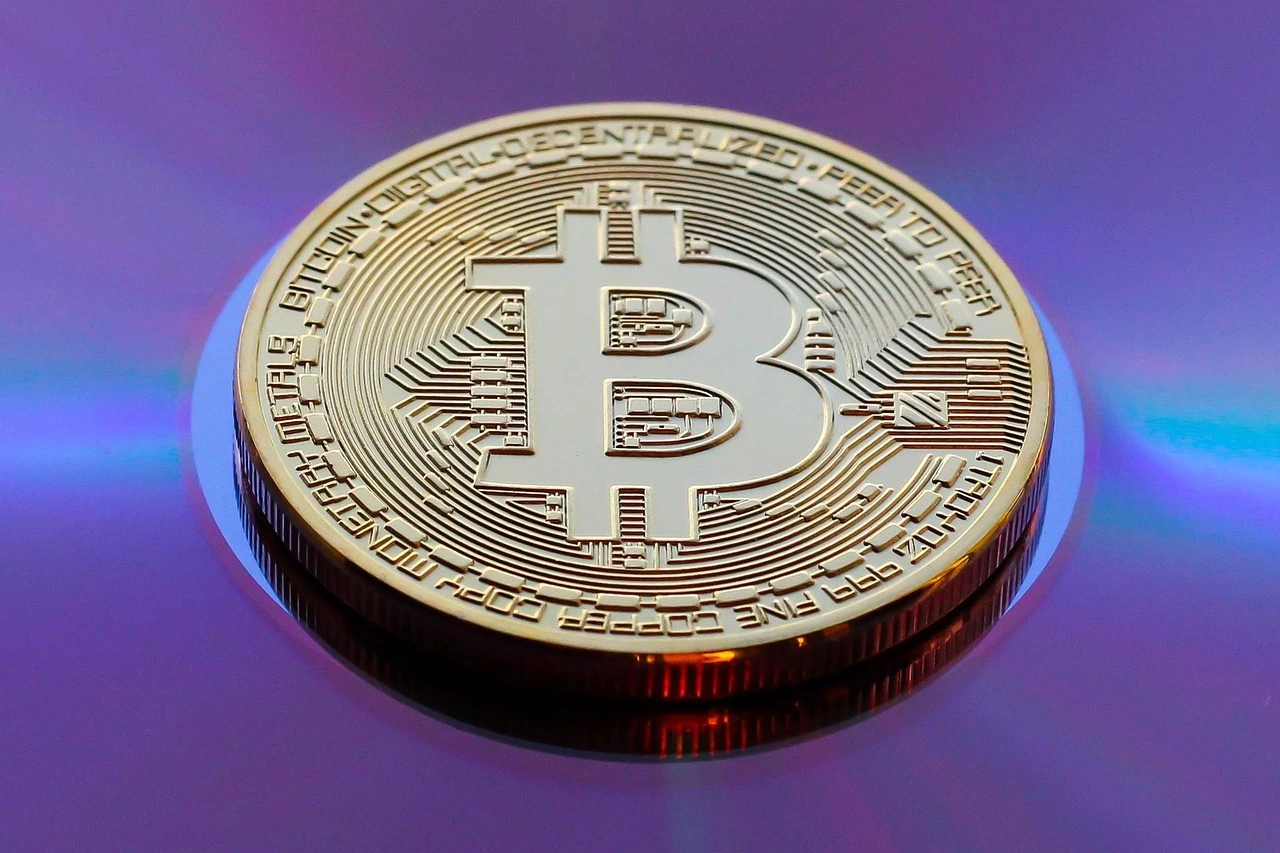
Decentralized Finance: The New Frontier in Cryptocurrency
This article covers KAU and related crypto trends with practical context. Decentralized Finance, or DeFi, has emerged as a revolutionary force in the cryptocurrency space, reshaping traditional financial systems.
By leveraging blockchain technology, DeFi platforms offer a plethora of financial services without the need for intermediaries, making finance more accessible to everyone.
In this article, we will delve into the intricacies of DeFi, explore its potential, and provide actionable insights to navigate this exciting frontier.
What is Decentralized Finance (DeFi)?
Defining DeFi
Decentralized Finance refers to a broad category of financial applications in cryptocurrency or blockchain geared toward disrupting financial intermediaries.
DeFi operates on smart contracts, primarily on Ethereum, allowing users to lend, borrow, trade, and earn interest without relying on traditional banks.
Key Components of DeFi
The DeFi ecosystem consists of various components, including lending platforms, decentralized exchanges (DEXs), and yield farming protocols.
Each component plays a vital role in creating a comprehensive financial system that is open, permissionless, and transparent.
The Growth and Adoption of DeFi
Market Expansion
Since its inception, the DeFi market has witnessed explosive growth, with total value locked (TVL) in DeFi protocols reaching billions of dollars.
This growth is fueled by the increasing demand for financial services that prioritize user control and privacy.
Mainstream Adoption
Institutional interest in DeFi is on the rise, with major financial institutions exploring ways to integrate DeFi solutions into their offerings.
As DeFi matures, it is likely to attract more users and investors, further solidifying its place in the financial ecosystem.
Benefits of DeFi
Accessibility and Inclusivity
DeFi platforms are accessible to anyone with an internet connection, breaking down barriers that have traditionally excluded many from financial systems.
This inclusivity allows users from diverse backgrounds to participate in financial activities without facing discrimination or high fees.
Transparency and Security
Transactions on DeFi platforms are recorded on the blockchain, providing transparency and security that traditional finance often lacks.
Smart contracts minimize the risk of human error and fraud, enhancing the overall security of financial transactions.
Risks and Challenges in DeFi
Smart Contract Vulnerabilities
While DeFi offers numerous advantages, it is not without risks, particularly concerning smart contract vulnerabilities that can be exploited by malicious actors.
Users must exercise caution and conduct thorough research before engaging with DeFi platforms.
Regulatory Uncertainty
As DeFi continues to grow, regulatory bodies are grappling with how to approach this new financial paradigm.
Unclear regulations can pose risks to users and investors, highlighting the need for ongoing dialogue between the DeFi community and regulators.
Future of DeFi
Innovations on the Horizon
The future of DeFi is poised for innovation, with new financial products and services continually being developed to meet user needs.
Emerging technologies, such as Layer 2 solutions, aim to enhance scalability and reduce transaction costs, making DeFi even more appealing.
Operating in Decentralized Finance: The New Frontier in Cryptocurrency benefits from early telemetry and automated dashboards. Transparency reduces rework and panic moves. When KAU shifts, context is already captured, so you can adjust calmly instead of reacting late. Focus on liquidity, counterparty risk, and execution quality in Decentralized Finance: The New Frontier in Cryptocurrency. Prefer clear fee schedules and avoid hidden slippage. When uncertainty rises, reduce position size and extend review intervals. Builders who last in Decentralized Finance: The New Frontier in Cryptocurrency do unglamorous work. Document edge cases, measure latency, track fees and liquidity, and review error budgets. Discipline compounds faster than hot takes. Treat KAU as one variable in a wider model. Clarity in scope and metrics keeps teams aligned in Decentralized Finance: The New Frontier in Cryptocurrency. Write crisp definitions of done, instrument the path to green, and audit dependencies. Small, testable changes lower risk and speed up feedback. Most outcomes in Decentralized Finance: The New Frontier in Cryptocurrency come from repeatable systems. Define assumptions, risks, invalidation points, and a recheck cadence. This habit beats narratives. Use KAU as a lens, but let decisions follow current data, not hype.
Operating in Decentralized Finance: The New Frontier in Cryptocurrency benefits from early telemetry and automated dashboards. Transparency reduces rework and panic moves. When KAU shifts, context is already captured, so you can adjust calmly instead of reacting late. Builders who last in Decentralized Finance: The New Frontier in Cryptocurrency do unglamorous work. Document edge cases, measure latency, track fees and liquidity, and review error budgets. Discipline compounds faster than hot takes. Treat KAU as one variable in a wider model. Focus on liquidity, counterparty risk, and execution quality in Decentralized Finance: The New Frontier in Cryptocurrency. Prefer clear fee schedules and avoid hidden slippage. When uncertainty rises, reduce position size and extend review intervals.
Integration with Traditional Finance
We may see increased integration between DeFi and traditional finance, as established financial institutions recognize the potential benefits of adopting decentralized models.
This integration could lead to hybrid solutions that combine the best of both worlds, offering users greater flexibility and options.
Key Takeaways
- Security checks precede any deployment.
- Measure risk before return in Decentralized Finance: The New Frontier in Cryptocurrency.
- Prefer liquid venues and clear fees.
- Avoid leverage creep during volatility.