
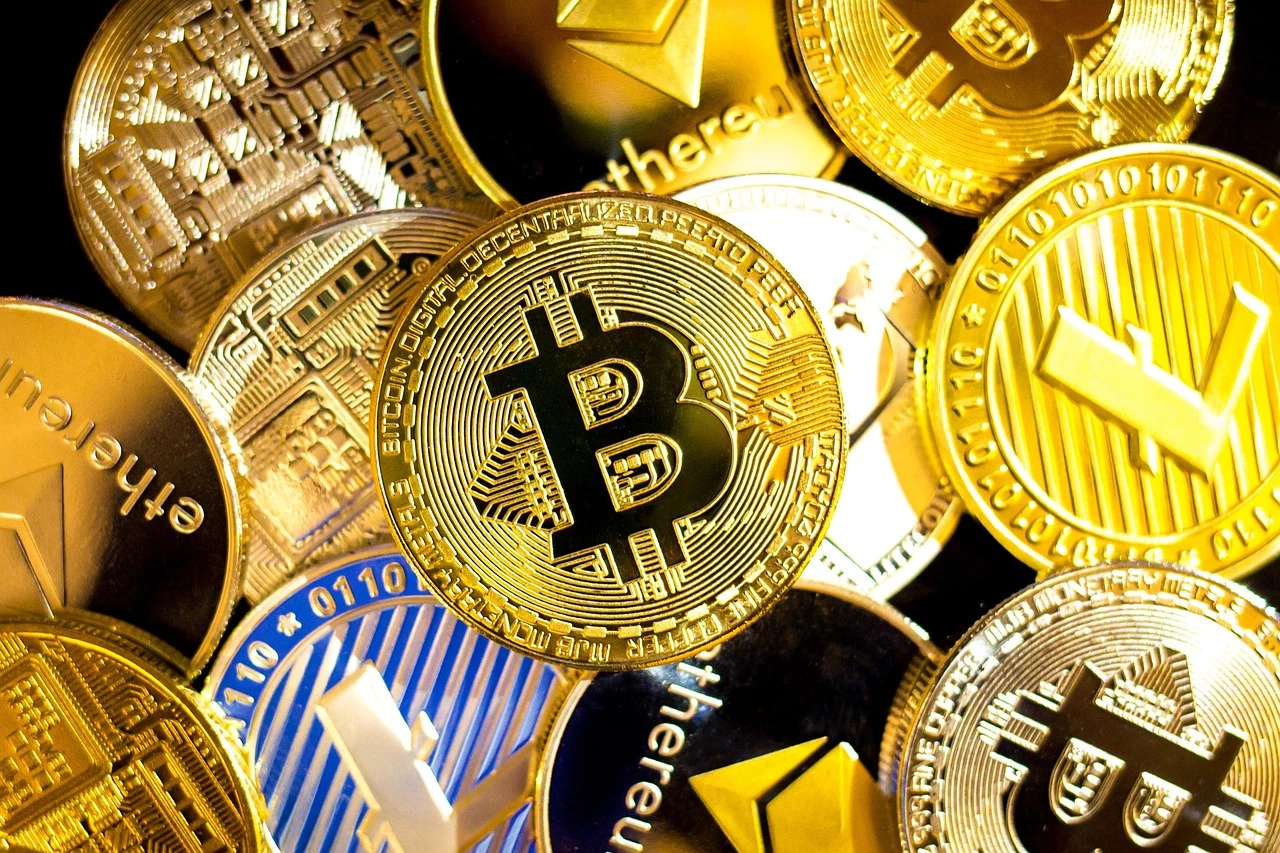
Decentralized Finance: Revolutionizing the Financial Landscape
This article covers KULA and related crypto trends with practical context. Decentralized Finance (DeFi) has emerged as a groundbreaking phenomenon within the cryptocurrency space, fundamentally altering how individuals interact with financial services. By leveraging blockchain technology, DeFi eliminates the need for intermediaries, allowing users to engage directly in financial transactions. This shift not only empowers individuals but also democratizes access to financial products and services, making them available to a global audience.
This guide gives you a concise, actionable overview of the topic and why it matters now.
What is Decentralized Finance?
Understanding DeFi Basics
Decentralized Finance refers to a system of financial applications built on blockchain technology, primarily Ethereum. Unlike traditional finance, which relies on centralized institutions like banks, DeFi operates on smart contracts that execute transactions automatically when certain conditions are met. This model enables peer-to-peer interactions without intermediaries, lowering costs and increasing efficiency.
One of the key features of DeFi is its accessibility. Anyone with an internet connection can participate, regardless of their geographic location or financial status. This inclusivity is a core principle driving the DeFi movement.
Key Components of DeFi
DeFi encompasses a variety of financial services, including lending, borrowing, trading, and insurance. These services are typically provided by decentralized applications (dApps) that run on blockchain networks. Some of the most popular DeFi protocols include Compound, Aave, and Uniswap, each offering unique functionalities to users.
Lending platforms allow users to lend their assets to others in exchange for interest, while borrowing platforms enable individuals to secure loans using their crypto holdings as collateral. Decentralized exchanges (DEXs) facilitate trading without a central authority, relying on liquidity pools to match buyers and sellers.
Benefits of Decentralized Finance
Enhanced Security and Transparency
DeFi protocols operate on public blockchains, ensuring that all transactions are recorded transparently and can be audited by anyone. This level of transparency reduces the risk of fraud and increases trust among users. Additionally, the use of cryptographic security measures protects assets from hacks and unauthorized access.
Smart contracts, which govern DeFi transactions, are programmed to execute specific actions automatically. This minimizes the potential for human error and provides a level of assurance that funds will only be released under agreed-upon conditions.
Financial Sovereignty
One of the most compelling aspects of DeFi is the control it gives users over their financial assets. In traditional finance, users often have to rely on banks or other institutions to manage their money. DeFi empowers individuals to take full control of their funds, allowing them to decide how and when to use them without needing approval from a third party.
This shift towards financial sovereignty is particularly significant in regions where access to banking services is limited. DeFi offers a viable alternative, enabling individuals to store, send, and receive funds with ease.
Challenges Facing DeFi
Smart Contract Vulnerabilities
Despite their advantages, smart contracts are not immune to bugs and vulnerabilities. Several high-profile hacks have occurred due to flaws in smart contract code, leading to significant financial losses for users. As the DeFi space matures, the importance of rigorous testing and audits becomes paramount to safeguard user funds and build trust in these platforms.
Developers must prioritize security measures and adopt best practices to minimize risks associated with smart contract deployments.
The Future of Decentralized Finance
Innovation and Integration
The DeFi landscape is continually evolving, with new projects and innovations emerging regularly. As more traditional financial institutions explore partnerships with DeFi platforms, we may witness a convergence of conventional finance and decentralized systems. This integration could lead to hybrid solutions that leverage the strengths of both worlds, enhancing accessibility and efficiency in financial services.
Furthermore, advancements in technology, such as layer 2 solutions and cross-chain interoperability, promise to address scalability issues and improve user experiences within the DeFi ecosystem.
Focus on liquidity, counterparty risk, and execution quality in Decentralized Finance: Revolutionizing the Financial Landscape. Prefer clear fee schedules and avoid hidden slippage. When uncertainty rises, reduce position size and extend review intervals. Most outcomes in Decentralized Finance: Revolutionizing the Financial Landscape come from repeatable systems. Define assumptions, risks, invalidation points, and a recheck cadence. This habit beats narratives. Use KULA as a lens, but let decisions follow current data, not hype. Builders who last in Decentralized Finance: Revolutionizing the Financial Landscape do unglamorous work. Document edge cases, measure latency, track fees and liquidity, and review error budgets. Discipline compounds faster than hot takes. Treat KULA as one variable in a wider model.
Potential for Mainstream Adoption
As awareness of DeFi grows, so does the potential for mainstream adoption. Financial education and user-friendly interfaces will play a crucial role in attracting newcomers to the space. By simplifying the onboarding process and demystifying DeFi concepts, projects can empower a broader audience to engage with decentralized finance.
Ultimately, the success of DeFi hinges on its ability to provide real-world value to users, whether through enhanced financial opportunities, greater security, or increased accessibility.
Key Takeaways
- Decentralized Finance (DeFi) empowers users by removing intermediaries from financial transactions.
- DeFi protocols offer services such as lending, borrowing, and trading through decentralized applications (dApps).
- Transparency and security are key benefits of DeFi, as all transactions are recorded on public blockchains.
- Smart contracts automate transactions, reducing the risk of human error and fraud.
- DeFi promotes financial sovereignty by allowing users to control their assets without relying on traditional banks.
- Regulatory uncertainty poses challenges for DeFi's growth and innovation.
Join the DeFi revolution today! Start exploring decentralized finance options that can empower your financial future.