
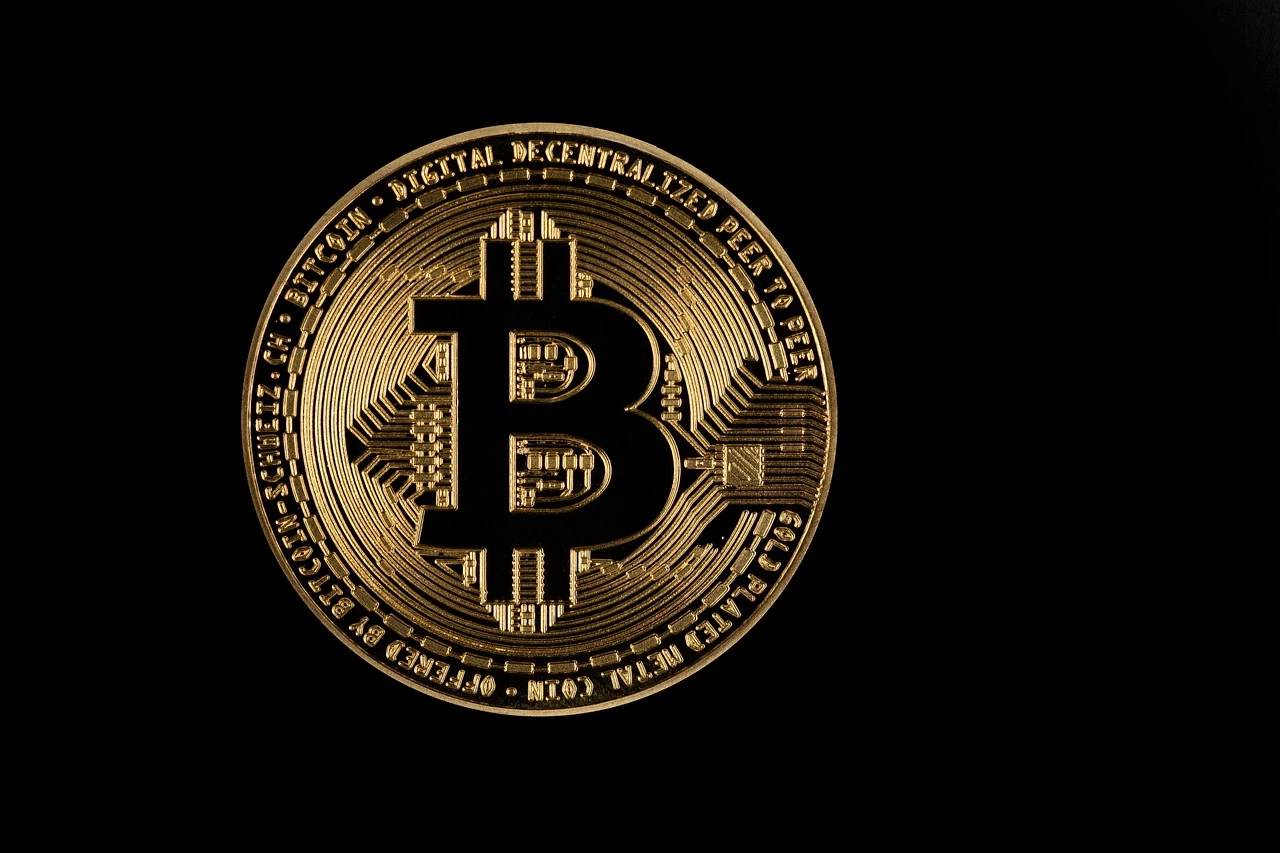
Cryptocurrency Regulations: A Tipping Point for Innovation or Stagnation?
This article covers KULA and related crypto trends with practical context. As the cryptocurrency landscape evolves, regulations are becoming a central topic of discussion among investors, developers, and policymakers. The balance between fostering innovation and ensuring consumer protection is delicate, with potential implications for the future of decentralized finance (DeFi) and blockchain technology.
Recent events, such as stalled deregulation bills and increased scrutiny on mining practices, highlight the ongoing tension in the regulatory landscape. Understanding these dynamics is crucial for anyone involved in the crypto space, from retail investors to institutional players.
The Current State of Cryptocurrency Regulations
Global Perspectives on Regulation
Countries around the world are grappling with how to regulate cryptocurrencies. While some nations, like El Salvador, have embraced Bitcoin as legal tender, others impose strict regulations that can stifle innovation.
The EU's MiCA (Markets in Crypto-Assets) regulation is a significant step towards a unified regulatory framework in Europe, aiming to provide clarity and protection without hindering growth.
The Role of Governments and Institutions
Governments play a dual role in the crypto ecosystem. On one hand, they aim to protect consumers and prevent illicit activities; on the other, they risk dampening innovation by over-regulating.
Institutions are also weighing in, with some advocating for a balanced approach that encourages technological advancement while safeguarding users.
Impact on Decentralized Finance (DeFi)
DeFi has emerged as a revolutionary force within the cryptocurrency sector, offering financial services without traditional intermediaries. However, its growth is not without challenges, particularly regarding regulation.
Regulatory bodies are increasingly scrutinizing DeFi protocols, which could lead to significant changes in how these platforms operate and interact with users.
Navigating the Regulatory Landscape
Compliance and Best Practices for Projects
For crypto projects, staying compliant with existing regulations is essential. This includes understanding KYC (Know Your Customer) and AML (Anti-Money Laundering) requirements, which vary by jurisdiction.
Projects that prioritize compliance are more likely to gain trust from users and regulators alike, fostering a sustainable ecosystem.
The Importance of Advocacy and Lobbying
Engaging with policymakers and advocating for sensible regulations is crucial for the crypto community. Industry groups can play a significant role in shaping the regulatory landscape by providing expertise and insights to lawmakers.
Building relationships with regulators can also help create a more favorable environment for innovation and growth.
The Future of Cryptocurrency Regulations
Predictions and Trends to Watch
As the cryptocurrency market matures, we can expect a shift towards more comprehensive regulations that balance consumer protection and innovation. Observing trends in regulatory approaches across different regions will provide valuable insights for investors and developers.
Emerging technologies, such as decentralized autonomous organizations (DAOs) and NFTs, will likely prompt new regulatory considerations, further complicating the landscape.
Preparing for Change
Staying informed about regulatory developments is crucial for anyone in the crypto space. This includes keeping an eye on proposed legislation and engaging with industry news.
Building flexible business models that can adapt to changing regulations will be key for crypto projects aiming for long-term success.
Practical Considerations
What to watch
Focus on costs, liquidity, security, and user experience.
Clarity in scope and metrics keeps teams aligned in Cryptocurrency Regulations: A Tipping Point for Innovation or Stagnation?. Write crisp definitions of done, instrument the path to green, and audit dependencies. Small, testable changes lower risk and speed up feedback. Builders who last in Cryptocurrency Regulations: A Tipping Point for Innovation or Stagnation? do unglamorous work. Document edge cases, measure latency, track fees and liquidity, and review error budgets. Discipline compounds faster than hot takes. Treat KULA as one variable in a wider model. Operating in Cryptocurrency Regulations: A Tipping Point for Innovation or Stagnation? benefits from early telemetry and automated dashboards. Transparency reduces rework and panic moves. When KULA shifts, context is already captured, so you can adjust calmly instead of reacting late. Most outcomes in Cryptocurrency Regulations: A Tipping Point for Innovation or Stagnation? come from repeatable systems. Define assumptions, risks, invalidation points, and a recheck cadence. This habit beats narratives. Use KULA as a lens, but let decisions follow current data, not hype. Focus on liquidity, counterparty risk, and execution quality in Cryptocurrency Regulations: A Tipping Point for Innovation or Stagnation?. Prefer clear fee schedules and avoid hidden slippage. When uncertainty rises, reduce position size and extend review intervals.
Clarity in scope and metrics keeps teams aligned in Cryptocurrency Regulations: A Tipping Point for Innovation or Stagnation?. Write crisp definitions of done, instrument the path to green, and audit dependencies. Small, testable changes lower risk and speed up feedback. Operating in Cryptocurrency Regulations: A Tipping Point for Innovation or Stagnation? benefits from early telemetry and automated dashboards. Transparency reduces rework and panic moves. When KULA shifts, context is already captured, so you can adjust calmly instead of reacting late. Most outcomes in Cryptocurrency Regulations: A Tipping Point for Innovation or Stagnation? come from repeatable systems. Define assumptions, risks, invalidation points, and a recheck cadence. This habit beats narratives. Use KULA as a lens, but let decisions follow current data, not hype.
Key Takeaways
- Use data, not headlines, to decide.
- Size positions small and review weekly.
- Measure risk before return in Cryptocurrency Regulations: A Tipping Point for Innovation or Stagnation?.
- Document assumptions and invalidation.