
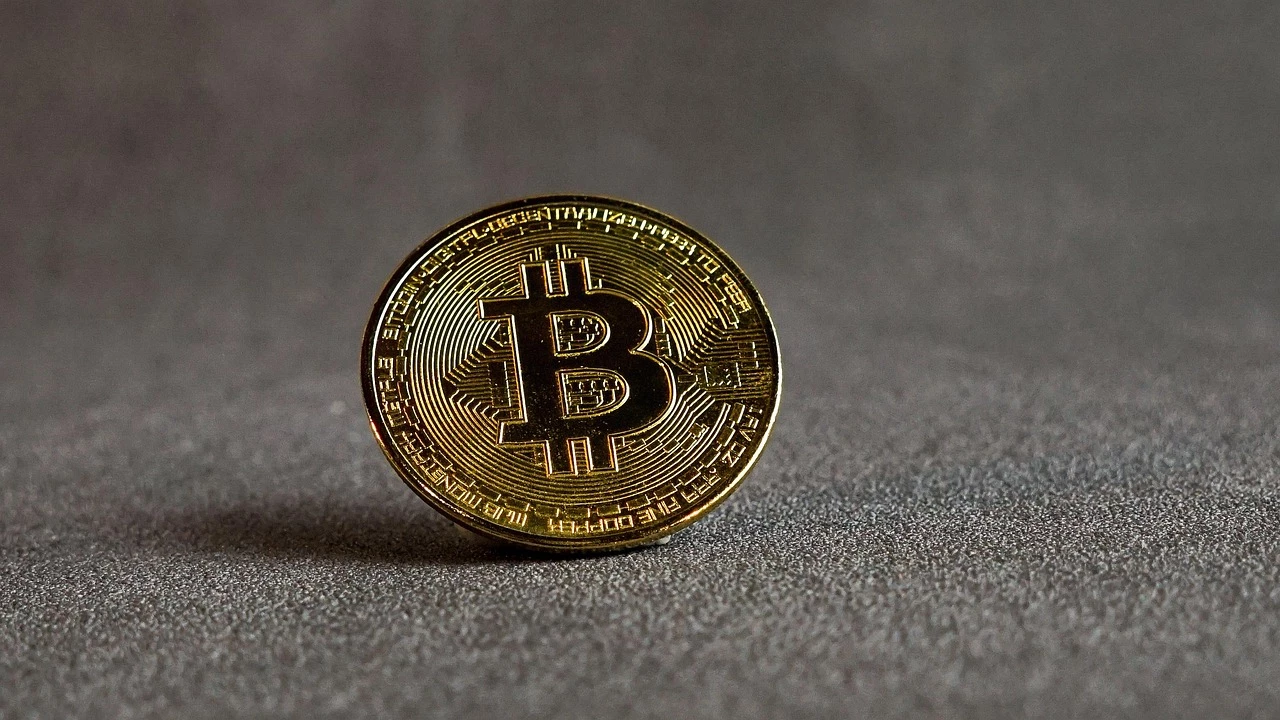
Bitcoin's Resurgence: Analyzing the $116K Milestone and Market Dynamics
Bitcoin recently soared to an impressive price of $116,000, prompting analysts to scrutinize the underlying market dynamics that led to this surge. As cryptocurrency enthusiasts and investors reflect on this monumental milestone, it’s essential to understand the implications of such price movements, including the potential for CME gap fills and the overall sentiment driving the market.
In recent months, Bitcoin has emerged as a focal point in the cryptocurrency landscape, captivating both seasoned investors and newcomers alike. The factors influencing Bitcoin's price are multifaceted, encompassing market trends, regulatory developments, and the activities of large investors or 'whales'. Understanding these elements can provide valuable insights for anyone looking to navigate the complexities of this ever-evolving digital asset.
The Dynamics Behind Bitcoin's Price Surge
Market Sentiment and Investor Behavior
Market sentiment plays a crucial role in the price fluctuations of Bitcoin. The recent surge to $116K can be attributed to a combination of positive news, increased institutional adoption, and bullish sentiment among retail investors. As more individuals and institutions recognize the potential of Bitcoin as a store of value and an inflation hedge, demand naturally increases, pushing prices higher. Furthermore, social media platforms and crypto communities have amplified this enthusiasm, creating a feedback loop that further drives interest in Bitcoin.
The Role of Institutional Investors
Institutional investors have increasingly entered the Bitcoin market, providing significant capital inflows. Companies like MicroStrategy and Tesla have made headlines with their Bitcoin purchases, leading to a greater acceptance of Bitcoin as a legitimate asset class. This institutional interest not only boosts the price but also lends credibility to the cryptocurrency, encouraging more investors to consider Bitcoin as part of their portfolios.
CME Gaps and Price Predictions
The concept of CME gaps—price discrepancies that occur when the Chicago Mercantile Exchange closes for the weekend—has become a focal point for many traders. Analysts often speculate that Bitcoin tends to fill these gaps, which could mean that prices may retrace to lower levels before resuming an upward trend. As traders watch these gaps closely, their actions can create additional volatility in the market, influencing price movements and potential entry points for new investors.
Investment Strategies in a Bull Market
Long-Term Holding vs. Short-Term Trading
In a bullish market, investors must decide between long-term holding and short-term trading strategies. Long-term holders, or 'HODLers', believe in Bitcoin's fundamental value and potential for significant appreciation over time. Conversely, short-term traders seek to capitalize on price volatility, buying low and selling high. Each approach has its merits, and the choice ultimately depends on individual risk tolerance and investment goals.
Diversifying Your Crypto Portfolio
While Bitcoin remains the flagship cryptocurrency, diversification is key to mitigating risks in the volatile crypto market. Investors should consider including altcoins and other digital assets in their portfolios to balance potential gains and losses. By diversifying, investors can capture growth opportunities across various sectors of the crypto landscape, from decentralized finance (DeFi) projects to non-fungible tokens (NFTs).
Staying Informed: Market Trends and News
To make informed investment decisions, staying updated on market trends and news is essential. Following reputable crypto news sources, participating in community discussions, and utilizing analytical tools can provide valuable insights. Knowledge of upcoming regulatory changes, technological advancements, and market sentiment can empower investors to anticipate price movements and adjust their strategies accordingly.
The Future of Bitcoin and Its Ecosystem
Technological Innovations and Upgrades
Bitcoin's network continues to evolve, with ongoing technological innovations aimed at improving scalability and transaction efficiency. Developments such as the Lightning Network promise to enhance Bitcoin's usability for everyday transactions, potentially increasing its adoption among merchants and consumers. As these upgrades are implemented, they can positively impact Bitcoin's value proposition in the broader financial ecosystem.
Regulatory Landscape and Its Impact
The regulatory environment surrounding Bitcoin is continually changing, with governments worldwide grappling with how to classify and regulate cryptocurrencies. Positive regulatory developments can boost investor confidence, while restrictive measures may create uncertainty. Keeping abreast of these regulations will be crucial for investors as they navigate the complexities of the crypto market.
Global Economic Factors Influencing Bitcoin
Global economic factors, including inflation rates, currency devaluation, and geopolitical tensions, can significantly influence Bitcoin's price. As traditional financial systems face challenges, Bitcoin's appeal as a decentralized asset may grow stronger, attracting more investors seeking alternatives. Understanding these macroeconomic trends can provide context for Bitcoin's price movements and future prospects.
Practical Considerations
What to watch
Focus on costs, liquidity, security, and user experience.
Focus on liquidity, counterparty risk, and execution quality in Bitcoin's Resurgence: Analyzing the $116K Milestone and Market Dynamics. Prefer clear fee schedules and avoid hidden slippage. When uncertainty rises, reduce position size and extend review intervals. Most outcomes in Bitcoin's Resurgence: Analyzing the $116K Milestone and Market Dynamics come from repeatable systems. Define assumptions, risks, invalidation points, and a recheck cadence. This habit beats narratives. Use KULA as a lens, but let decisions follow current data, not hype. Builders who last in Bitcoin's Resurgence: Analyzing the $116K Milestone and Market Dynamics do unglamorous work. Document edge cases, measure latency, track fees and liquidity, and review error budgets. Discipline compounds faster than hot takes. Treat KULA as one variable in a wider model.
Key Takeaways
- Use data, not headlines, to decide.
- Cut losers early, let winners work.
- Prefer liquid venues and clear fees.
- Document assumptions and invalidation.