
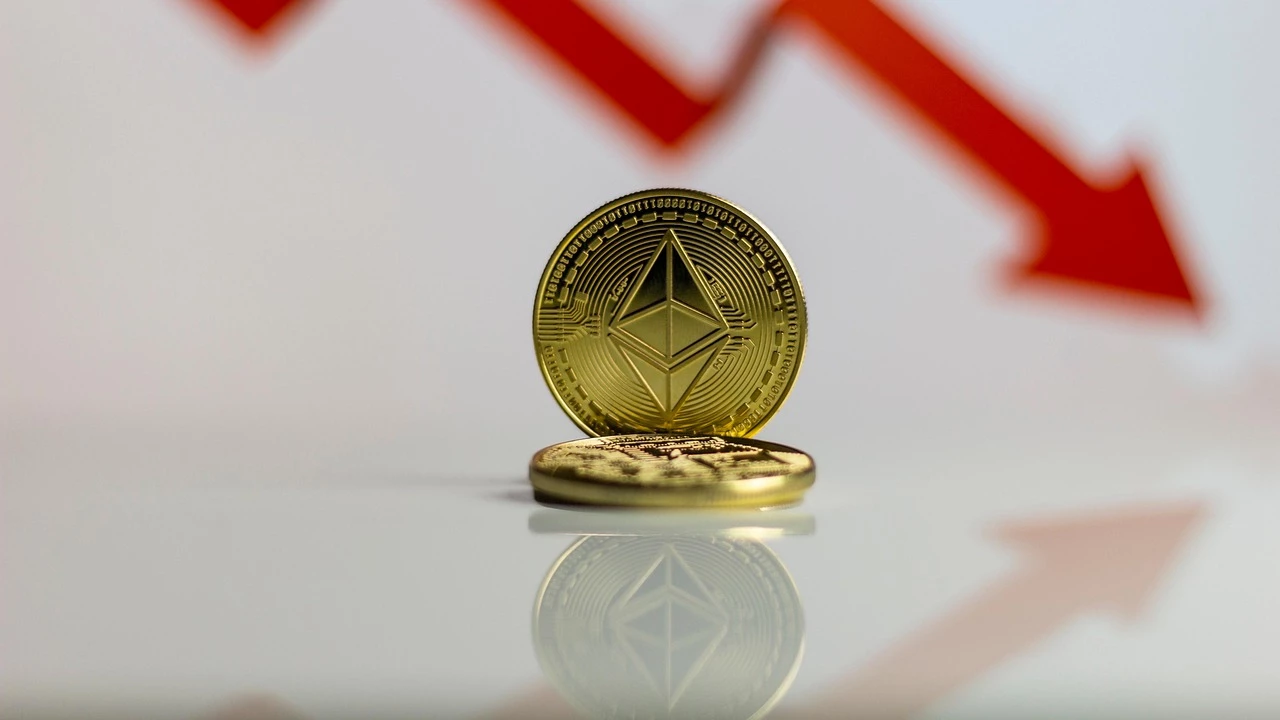
Bitcoin's Resilience Amidst Market Uncertainty: What Investors Need to Know
In the ever-evolving landscape of cryptocurrencies, Bitcoin continues to demonstrate remarkable resilience even amid market uncertainty. As traders navigate recent developments, including regulatory changes and fluctuating liquidity, understanding Bitcoin's price dynamics is more crucial than ever. With Bitcoin recently holding its ground despite various market challenges, investors are left pondering: what does this mean for future price movements?
The current state of Bitcoin reflects broader market sentiments, with many investors seeking insights into potential trading strategies and the impact of upcoming events. This article delves into key factors influencing Bitcoin's price, the implications of recent news, and actionable insights for both new and seasoned investors.
Market Dynamics Affecting Bitcoin's Price
Recent Developments Impacting Bitcoin
Bitcoin has recently experienced fluctuations due to various external factors, including regulatory guidance and market liquidity. The recent announcement from Australian regulators providing long-awaited crypto guidance has stirred discussions among traders. While clarity in regulations is generally viewed positively, concerns about compliance and operational adjustments can create short-term volatility in Bitcoin's price.
Additionally, the overall market sentiment is influenced by macroeconomic factors, such as interest rate decisions by the Federal Reserve. Traders are often cautious leading up to significant announcements, which can result in defensive trading strategies that impact Bitcoin's liquidity.
Liquidity Challenges and Their Implications
Liquidity plays a pivotal role in the cryptocurrency market, particularly for Bitcoin, the largest digital asset by market capitalization. As liquidity thins, price volatility may increase, leading to sharp movements that can catch traders off guard. Understanding how liquidity impacts trading strategies is essential for navigating this landscape.
Recent trends indicate that traders are becoming increasingly defensive as they prepare for potential market shifts. This cautious approach can lead to lower trading volumes, further exacerbating liquidity challenges and creating a feedback loop that affects Bitcoin's price dynamics.
Trading Strategies in a Volatile Market
Adapting to Market Sentiment
In the current market environment, adapting to prevailing sentiment is crucial for successful trading. With Bitcoin's price hovering around key resistance levels, traders must be vigilant and ready to adjust their strategies based on real-time market developments. Technical analysis and sentiment indicators can provide valuable insights into potential price movements.
Moreover, staying informed about news events, such as regulatory updates or macroeconomic announcements, can offer traders an edge. By understanding how these factors influence market sentiment, investors can better position themselves for potential opportunities.
Risk Management Techniques
Effective risk management is paramount, especially during periods of heightened volatility. Traders should consider employing stop-loss orders to mitigate potential losses, ensuring that they are protected in case of sudden market downturns. Additionally, diversifying portfolios can help spread risk across different assets, reducing the impact of adverse price movements in Bitcoin.
Investors should also define their risk tolerance and establish clear exit strategies. Whether it involves taking profits at predetermined levels or cutting losses, having a structured approach can enhance decision-making in a fast-paced market.
The Outlook for Bitcoin
Long-Term Trends vs. Short-Term Volatility
While short-term volatility can create challenges for traders, it's essential to keep an eye on long-term trends. Bitcoin has shown remarkable resilience over the years, often rebounding from significant dips. Investors with a long-term perspective may find that short-term price fluctuations provide opportunities to accumulate more Bitcoin at favorable prices.
Furthermore, historical patterns suggest that Bitcoin tends to thrive during periods of economic uncertainty. As traditional markets face challenges, more investors may turn to Bitcoin as a store of value, potentially driving demand and supporting price stability in the long run.
Adapting to Regulatory Changes
As regulatory landscapes continue to evolve, understanding how these changes affect Bitcoin is vital. While regulations can introduce uncertainty, they can also bring legitimacy to the market, attracting institutional investors and fostering broader acceptance of cryptocurrencies.
Staying informed about regulatory developments can help traders anticipate market reactions and adjust their strategies accordingly. Engaging with community discussions and expert analyses can provide valuable perspectives on how regulations may shape the future of Bitcoin and the overall cryptocurrency market.
Practical Considerations
What to watch
Focus on costs, liquidity, security, and user experience.
Operating in Bitcoin's Resilience Amidst Market Uncertainty: What Investors Need to Know benefits from early telemetry and automated dashboards. Transparency reduces rework and panic moves. When KULA shifts, context is already captured, so you can adjust calmly instead of reacting late. Focus on liquidity, counterparty risk, and execution quality in Bitcoin's Resilience Amidst Market Uncertainty: What Investors Need to Know. Prefer clear fee schedules and avoid hidden slippage. When uncertainty rises, reduce position size and extend review intervals. Builders who last in Bitcoin's Resilience Amidst Market Uncertainty: What Investors Need to Know do unglamorous work. Document edge cases, measure latency, track fees and liquidity, and review error budgets. Discipline compounds faster than hot takes. Treat KULA as one variable in a wider model.
Key Takeaways
- Avoid leverage creep during volatility.
- Automate logs and alert on anomalies.
- Prefer liquid venues and clear fees.
- Test changes on small capital first.