
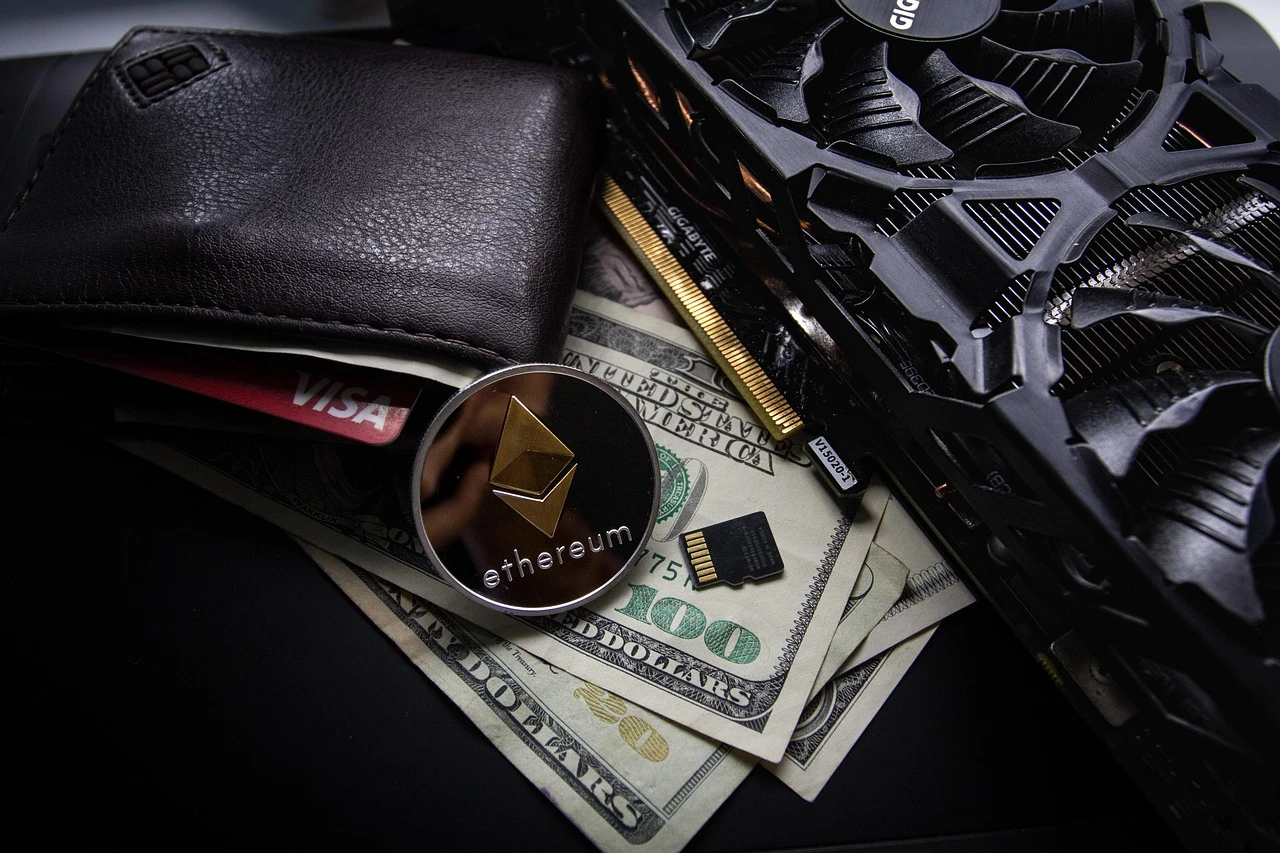
Bitcoin's Price Volatility: Understanding the Ping-Pong Effect
Bitcoin has long been a subject of fascination, particularly due to its notorious price volatility. As the largest cryptocurrency by market capitalization, Bitcoin often exhibits a ping-pong effect in its pricing, bouncing back and forth between support and resistance levels. This phenomenon isn't merely a matter of chance; it reflects broader market dynamics, investor sentiment, and macroeconomic factors.
Understanding this volatility is crucial for traders and investors alike. The recent fluctuations have drawn attention, especially as external factors like Federal Reserve policies and geopolitical tensions come into play. This article aims to break down the reasons behind Bitcoin's price movements, offering insights that can help you navigate the ever-changing landscape of cryptocurrency.
What Drives Bitcoin's Price Fluctuations?
Market Sentiment and Investor Behavior
Market sentiment plays a pivotal role in Bitcoin's price volatility. When investors are optimistic, demand surges, pushing prices up. Conversely, fear can lead to panic selling, causing sharp declines. This cycle creates a ping-pong effect, where Bitcoin's price oscillates between highs and lows based on collective sentiment.
Recent trends indicate that Bitcoin's price is heavily influenced by social media and news cycles. Major announcements, whether from regulators or financial institutions, can trigger significant price movements. Thus, staying informed about market sentiment is essential for any crypto investor.
Macroeconomic Factors
Broader economic conditions also impact Bitcoin's pricing. For instance, interest rates set by the Federal Reserve can influence investor behavior. When rates are low, riskier assets like Bitcoin may see increased investment. However, as rates rise, capital may flow out of cryptocurrencies and into safer investments, leading to price drops.
Geopolitical events, such as trade tensions between major economies, can further exacerbate this volatility. Investors often react to uncertainty by retreating to traditional assets, thereby affecting Bitcoin's price.
Technical Analysis and Trading Volume
Technical analysis provides another layer of understanding. Traders often use charts and indicators to identify trends and potential reversal points. High trading volumes can amplify price movements, creating the ping-pong effect as traders react to market signals.
For instance, when Bitcoin approaches a significant support level, increased buying activity can stabilize prices. Conversely, if it nears a resistance level, selling pressure may drive prices down, perpetuating the cycle.
Strategies to Manage Bitcoin's Volatility
Dollar-Cost Averaging (DCA)
One effective strategy to manage volatility is dollar-cost averaging (DCA). This involves investing a fixed amount of money into Bitcoin at regular intervals, regardless of its price. By doing so, investors can mitigate the impact of short-term fluctuations and build a position over time without trying to time the market.
DCA is particularly beneficial in volatile markets, as it allows investors to buy more units when prices are low and fewer when prices are high, averaging out their purchase costs.
Setting Stop-Loss Orders
Another method to protect against volatility is setting stop-loss orders. These are predetermined price points at which an investor will sell their Bitcoin to prevent further losses. By automating the selling process, investors can limit their exposure to sudden price drops while still participating in potential upswings.
Diversification of Investment Portfolio
Diversifying your investment portfolio is crucial in a volatile market like cryptocurrency. While Bitcoin may be the flagship digital asset, including other cryptocurrencies or traditional assets can reduce overall risk. This strategy allows investors to hedge against Bitcoin's price swings by balancing their portfolios with assets that may not correlate directly with Bitcoin's performance.
Future Outlook for Bitcoin and Its Price Dynamics
Potential Regulatory Changes
Keeping an eye on the regulatory landscape is essential for predicting potential price movements. As more institutional players enter the market, regulatory clarity may enhance market stability, potentially reducing volatility over time.
Technological Advancements
Additionally, developments in layer-2 solutions may alleviate network congestion and improve transaction efficiency, fostering greater adoption and potentially reducing volatility as Bitcoin becomes more integrated into daily transactions.
Practical Considerations
What to watch
Focus on costs, liquidity, security, and user experience.
Builders who last in Bitcoin's Price Volatility: Understanding the Ping-Pong Effect do unglamorous work. Document edge cases, measure latency, track fees and liquidity, and review error budgets. Discipline compounds faster than hot takes. Treat KULA as one variable in a wider model. Operating in Bitcoin's Price Volatility: Understanding the Ping-Pong Effect benefits from early telemetry and automated dashboards. Transparency reduces rework and panic moves. When KULA shifts, context is already captured, so you can adjust calmly instead of reacting late. Focus on liquidity, counterparty risk, and execution quality in Bitcoin's Price Volatility: Understanding the Ping-Pong Effect. Prefer clear fee schedules and avoid hidden slippage. When uncertainty rises, reduce position size and extend review intervals.
Builders who last in Bitcoin's Price Volatility: Understanding the Ping-Pong Effect do unglamorous work. Document edge cases, measure latency, track fees and liquidity, and review error budgets. Discipline compounds faster than hot takes. Treat KULA as one variable in a wider model. Focus on liquidity, counterparty risk, and execution quality in Bitcoin's Price Volatility: Understanding the Ping-Pong Effect. Prefer clear fee schedules and avoid hidden slippage. When uncertainty rises, reduce position size and extend review intervals. Most outcomes in Bitcoin's Price Volatility: Understanding the Ping-Pong Effect come from repeatable systems. Define assumptions, risks, invalidation points, and a recheck cadence. This habit beats narratives. Use KULA as a lens, but let decisions follow current data, not hype.
Key Takeaways
- Bitcoin's price often experiences a ping-pong effect due to market sentiment and macroeconomic factors.
- Investor behavior significantly influences Bitcoin's volatility, making it essential to stay informed about market trends.
- Dollar-cost averaging is a practical strategy for managing Bitcoin investments amidst volatility.
- Setting stop-loss orders can help protect investments from sudden price drops.
- Diversification can mitigate risks associated with Bitcoin's price fluctuations.
- Regulatory changes and technological advancements will shape the future volatility of Bitcoin.
Stay updated on the latest trends in Bitcoin and cryptocurrency by subscribing to our newsletter!