
What is happening now
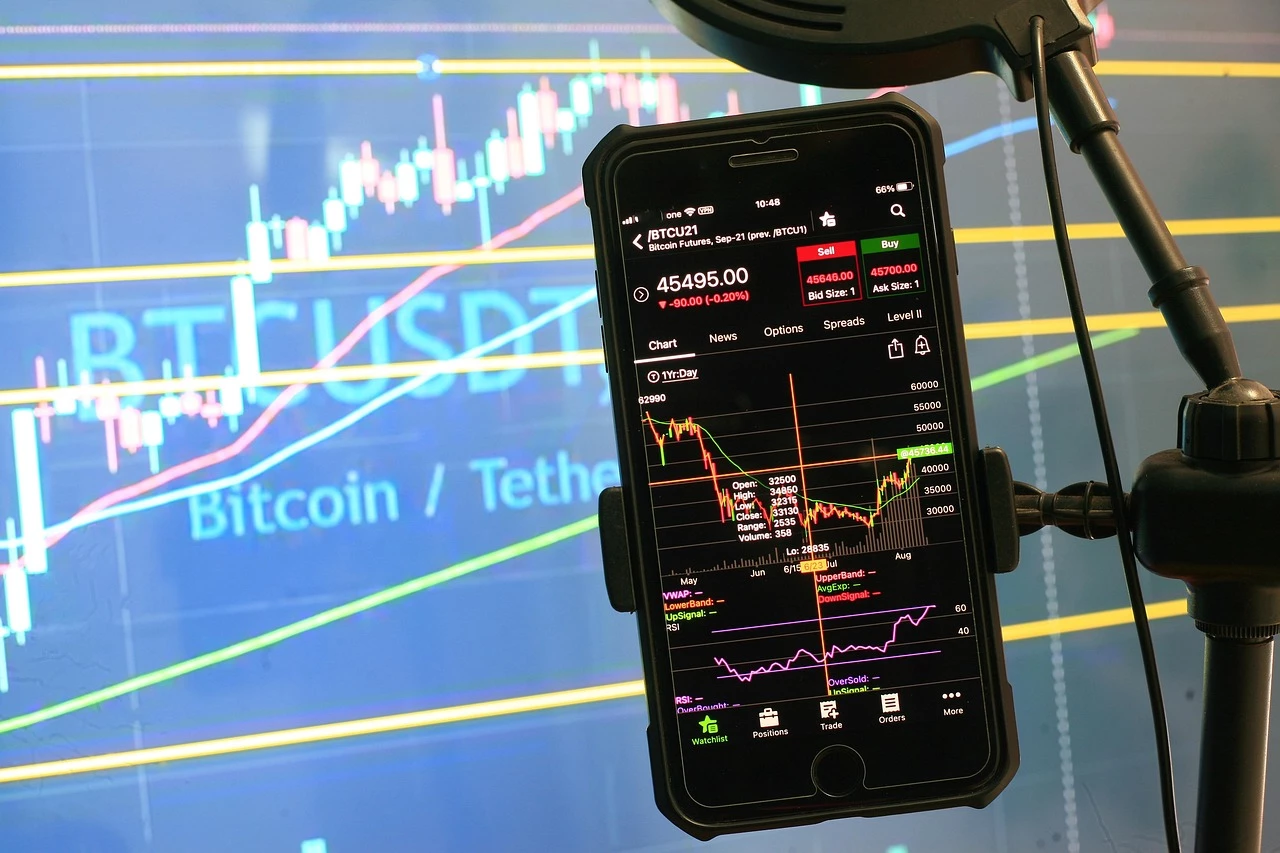
Recently, Bitcoin (BTC) experienced a sharp price drop to $81,000 during January 2026. This decline triggered approximately $1.7 billion in liquidations, affecting traders with bullish positions. The price movement occurred amid increased market uncertainty and broader volatility in the crypto space. Several factors, including shifts in traditional markets and rising fears of regulatory changes, contributed to this market stress.
Why it matters
This price drop is important because Bitcoin remains the largest and most influential cryptocurrency globally. Movements of this scale can impact investor confidence and affect the broader crypto market. The liquidations suggest that many traders were over-leveraged or caught off guard, which could lead to further instability. Additionally, Bitcoin's performance often influences the price trends of many altcoins, so a drop like this can ripple across the ecosystem.
Key risks
Investors face multiple risks following this event. First, there's increased volatility that could lead to rapid price swings, making short-term trading more dangerous. Second, the liquidation of positions may trigger further selling pressure, pushing prices down more. Lastly, external factors like regulatory developments or macroeconomic changes, including interest rate decisions, could worsen the situation if negative news arises.
What to watch next
Going forward, it will be important to monitor Bitcoin’s price action for signs of stabilization or continued decline. Watch for updates from regulatory bodies and major financial institutions, as their policies may impact market sentiment. Also, keep an eye on onchain activity such as wallet movements and large trades, as these can provide clues about investor behavior. Lastly, broader market trends in stocks, commodities, and currencies may influence Bitcoin in the coming weeks.
Quick FAQ
1. Why did Bitcoin’s price drop recently?
Bitcoin’s price fell due to market volatility, liquidation of leveraged positions, and concerns over regulatory and economic factors.
2. How does this affect new crypto investors?
New investors might experience increased price swings and should be cautious with leverage or large trades during volatile periods.
3. What can investors do to protect themselves?
Investors should consider managing risk by diversifying, avoiding excessive leverage, and staying informed of market developments.