
What is happening now
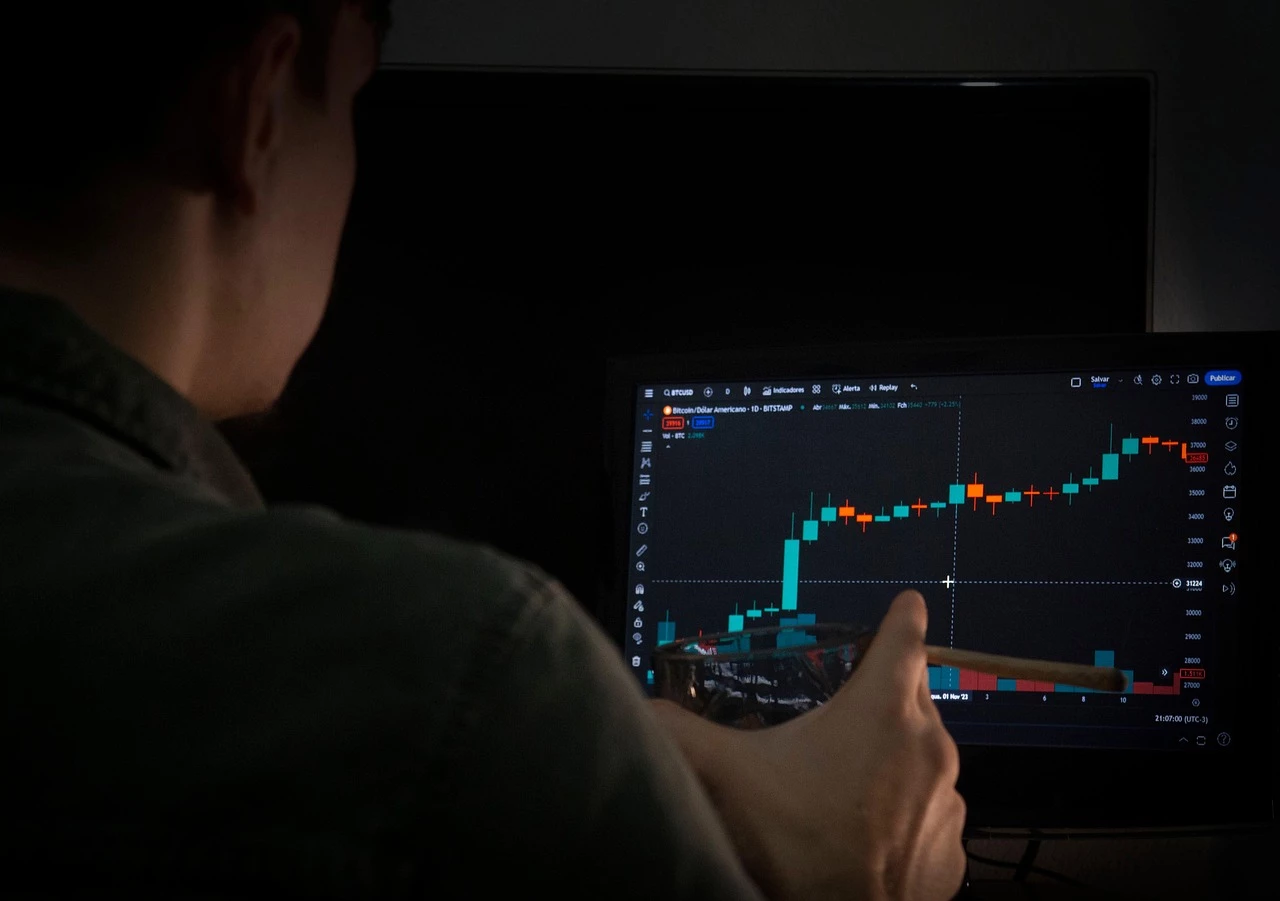
In January 2026, Bitcoin's network has experienced a notable rise in on-chain activity. Transaction volumes and the number of active wallets are increasing despite the BTC price showing significant volatility. Recent data indicates miners continue to maintain steady operations, and some new adoption signals are emerging from institutional investors. The Bitcoin mempool size has fluctuated moderately, but fee rates remain relatively stable compared to previous months.
Why it matters
This increase in network activity suggests sustained interest and usage of Bitcoin beyond mere speculative trading. Higher transaction counts can indicate growing confidence in Bitcoin’s utility as a store of value or medium of exchange. Stable miner engagement helps secure the blockchain, reinforcing its resilience. For new and experienced users alike, this combination signals a maturing network that can support broader financial applications.
Key risks
Despite the positive signs, Bitcoin faces certain risks. Price volatility continues to affect user and investor sentiment, potentially reducing participation. Regulatory developments in major economies could introduce uncertainty, especially concerning taxation or compliance obligations for cryptocurrency users. Additionally, although miner activity has been stable, energy consumption concerns remain a public relations challenge that may affect institutional appetite.
What to watch next
Observers should monitor Bitcoin transaction fees as a signal of network demand and congestion. Any significant changes in wallet activity trends may indicate shifts in user behavior. Keep an eye on regulatory announcements from key countries in late January 2026, which could impact market dynamics. Finally, mining difficulty adjustments scheduled in upcoming weeks may affect mining profitability and consequently network security.
Quick FAQ
1. Is Bitcoin’s price expected to stabilize soon?
Price stabilization is uncertain. Market experts advise watching upcoming economic reports and regulatory news for clues about BTC’s short-term direction.
2. Are higher Bitcoin transaction fees likely?
Transaction fees have remained stable this January but could rise if demand surges or network congestion increases.
3. How does increased network activity benefit Bitcoin users?
More network activity often means greater liquidity and stronger network security, which can improve user trust and usability.