
What is happening now
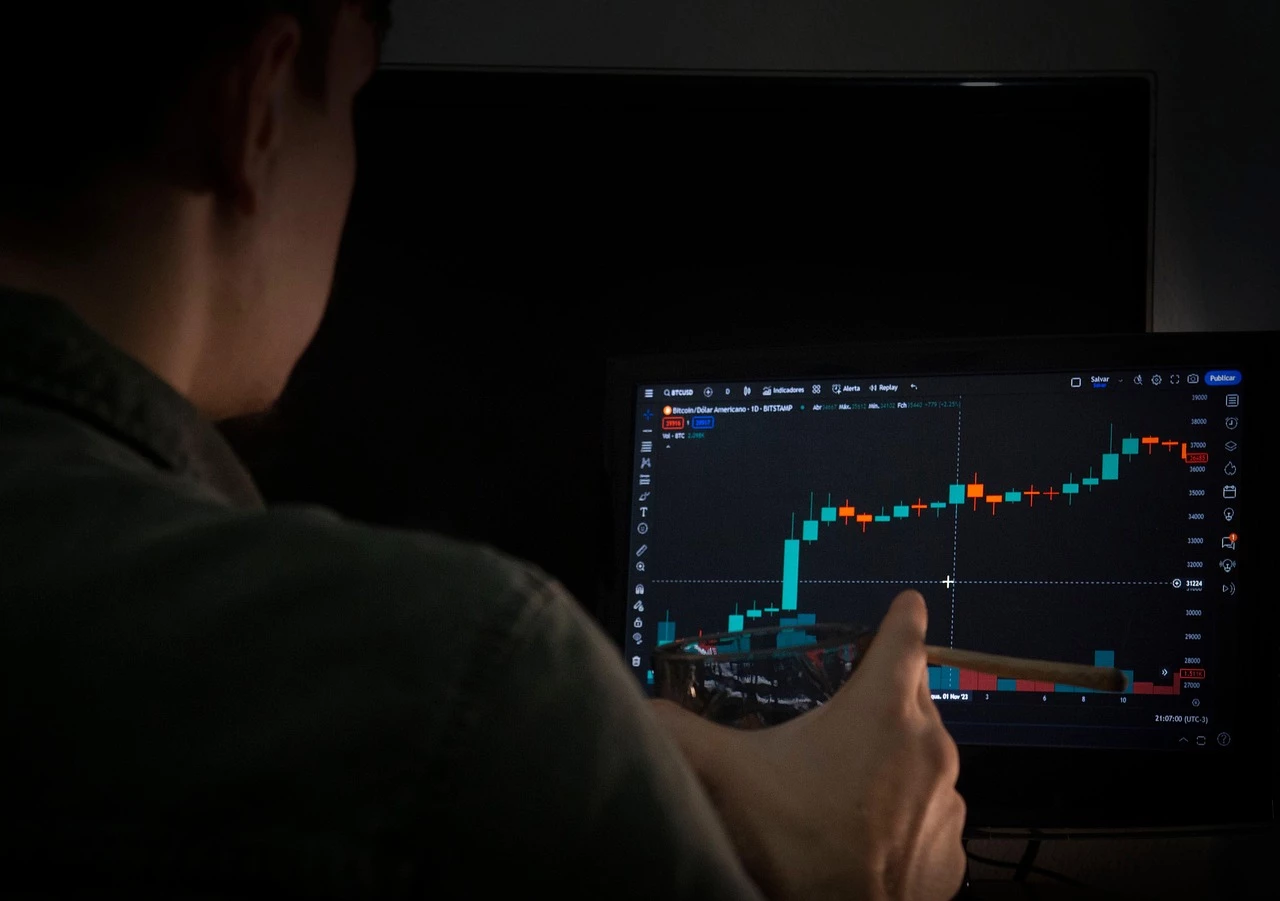
Bitcoin's price has rebounded to around $70,000 in mid-February 2026 after a sharp decline wiped out approximately $8.7 billion in market value earlier this week. This recovery follows recent economic reports indicating a cooling inflation rate, which has generally boosted investor confidence in risk assets like cryptocurrencies. The rebound comes amid increased trading activity on major exchanges and renewed interest from both retail and institutional investors.
Why it matters
The bounce back to $70,000 is significant as it shows resilience in Bitcoin's price despite recent volatility. When inflation cools, investors often feel more comfortable taking on risk, which can lead to higher demand for cryptocurrencies. Additionally, sustaining or surpassing this price level may encourage more market participants to enter the space or increase their Bitcoin holdings. This could be a critical moment for Bitcoin as it attempts to recover from the earlier sell-off, impacting sentiment across the entire crypto market.
Key risks
Despite the rebound, Bitcoin remains vulnerable to several risks. Global economic uncertainty, including potential interest rate adjustments by central banks, could quickly reverse gains. There is also ongoing regulatory scrutiny in various countries which could negatively affect trading and adoption. Furthermore, rapid price changes increase the risk of liquidations for leveraged traders, adding to market volatility. Investors should be cautious and avoid making decisions based purely on short-term price movements.
What to watch next
Keep an eye on upcoming U.S. inflation data releases and Federal Reserve announcements, as they could influence Bitcoin's price trajectory. Monitoring exchange inflows and outflows may provide insight into trader sentiment and potential price pressure. Additionally, watch for news regarding new Bitcoin-related financial products or regulatory developments, which can impact market demand and investor confidence.
Quick FAQ
1. Why did Bitcoin’s price drop earlier this week?
A large sell-off triggered by concerns over inflation and possible interest rate hikes caused many investors to sell their Bitcoin positions, leading to a sharp price decline.
2. Does the rebound mean Bitcoin’s price will keep rising?
The rebound is a positive sign but does not guarantee continued price increases. Bitcoin's price can remain volatile, and external factors like economic policy and market sentiment play major roles.
3. How can beginners protect their investments in volatile markets?
Beginners should consider using risk management strategies such as setting stop-loss orders, diversifying their portfolio, and avoiding investing more than they can afford to lose.