
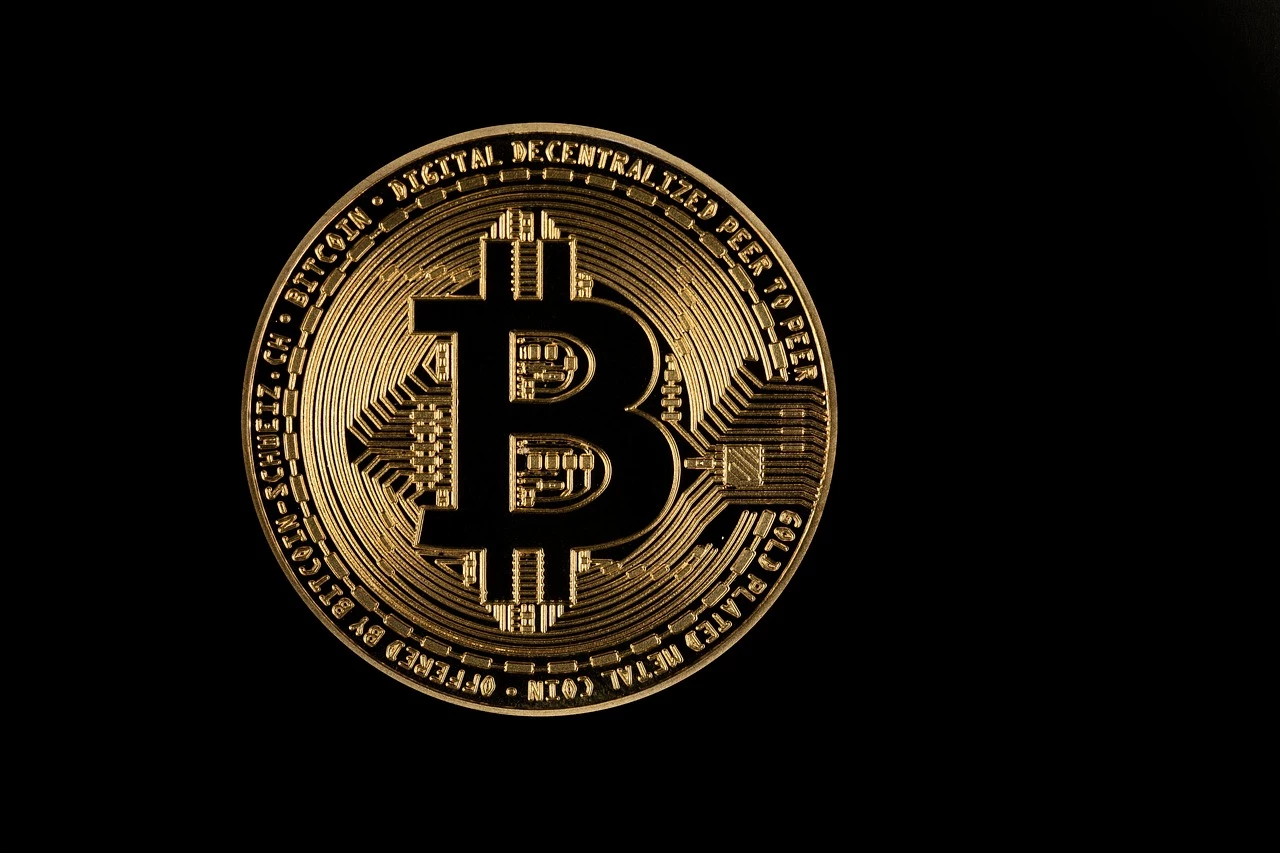
Altcoins on the Rise: Why Institutions Are Taking Notice
As cryptocurrency continues to evolve, altcoins are emerging as a focal point for institutional investment. With the rise of exchange-traded funds (ETFs) and innovative financial products, altcoins are gaining traction among traditional investors. This shift could redefine the crypto market, allowing for a more diversified portfolio beyond Bitcoin and Ethereum.
Recent discussions among analysts highlight that the entry of institutions into altcoins mirrors the early days of Bitcoin's rise. The potential for significant returns is enticing, and investors are keen to explore new opportunities. Understanding the dynamics at play can provide insights into which altcoins may flourish in this changing landscape.
The Institutional Shift Towards Altcoins
Understanding the Altcoin Appeal
Institutional investors are increasingly looking at altcoins not just as speculative assets but as legitimate investment opportunities. Many of these coins offer unique technologies and use cases that can complement or enhance existing blockchain solutions. For instance, platforms like Solana and Cardano are gaining traction for their scalability and innovative smart contract capabilities, positioning them as attractive options for institutional portfolios.
The volatility of the cryptocurrency market can be daunting, yet the potential for high returns makes altcoins appealing. Institutions are starting to recognize that, while Bitcoin remains a staple, diversifying into altcoins can yield substantial gains, especially as the market matures.
ETFs: A Gateway for Institutional Investment
Exchange-traded funds (ETFs) are playing a crucial role in bringing institutional investors into the altcoin space. As more ETFs focused on altcoins enter the market, they provide a regulated and accessible way for institutions to gain exposure to these assets. This regulatory framework helps mitigate risks associated with direct investments in cryptocurrencies, making altcoins more palatable for traditional investors.
Moreover, the introduction of Bitcoin ETFs has already set a precedent, demonstrating that institutional money can flow into digital assets. As these products expand to include altcoins, we may see a significant increase in institutional capital entering this sector.
Key Altcoins to Watch
Solana: Speed and Scalability
Solana has gained popularity due to its high throughput and low transaction costs. It’s designed to support decentralized applications and crypto projects, making it a favorite among developers. Its growing ecosystem and ability to handle thousands of transactions per second position it as a frontrunner in the altcoin race.
Institutional investors are taking note of Solana's potential, leading to increased investment interest. Its performance during market fluctuations can offer insights into broader altcoin trends.
Cardano: A Robust Ecosystem
Cardano's focus on sustainability and scalability makes it an attractive option for institutional investors. With a strong emphasis on peer-reviewed research and a unique proof-of-stake consensus mechanism, Cardano aims to provide a more environmentally friendly alternative to traditional blockchain models.
The development of decentralized finance (DeFi) projects on Cardano is also gaining momentum, attracting interest from institutions looking to diversify their holdings within the blockchain space.
Risks and Considerations
Volatility and Market Dynamics
While altcoins present exciting opportunities, they also come with inherent risks. The volatility of these assets can lead to significant price fluctuations, which can be challenging for institutional investors accustomed to more stable investment vehicles. Understanding the underlying technology and market dynamics is crucial for making informed decisions.
Investors should conduct thorough due diligence and consider their risk tolerance before venturing into altcoin investments.
Regulatory Landscape
The regulatory environment surrounding cryptocurrencies is continually evolving. Institutions must stay informed about potential regulations that could impact their investments in altcoins. A proactive approach to compliance can help mitigate risks associated with sudden regulatory changes.
As governments and regulatory bodies establish clearer guidelines for cryptocurrencies, institutional investors will likely have a better framework to operate within, further legitimizing altcoin investments.
Practical Considerations
What to watch
Focus on costs, liquidity, security, and user experience.
Most outcomes in Altcoins on the Rise: Why Institutions Are Taking Notice come from repeatable systems. Define assumptions, risks, invalidation points, and a recheck cadence. This habit beats narratives. Use KULA as a lens, but let decisions follow current data, not hype. Clarity in scope and metrics keeps teams aligned in Altcoins on the Rise: Why Institutions Are Taking Notice. Write crisp definitions of done, instrument the path to green, and audit dependencies. Small, testable changes lower risk and speed up feedback. Builders who last in Altcoins on the Rise: Why Institutions Are Taking Notice do unglamorous work. Document edge cases, measure latency, track fees and liquidity, and review error budgets. Discipline compounds faster than hot takes. Treat KULA as one variable in a wider model.
Operating in Altcoins on the Rise: Why Institutions Are Taking Notice benefits from early telemetry and automated dashboards. Transparency reduces rework and panic moves. When KULA shifts, context is already captured, so you can adjust calmly instead of reacting late. Focus on liquidity, counterparty risk, and execution quality in Altcoins on the Rise: Why Institutions Are Taking Notice. Prefer clear fee schedules and avoid hidden slippage. When uncertainty rises, reduce position size and extend review intervals. Clarity in scope and metrics keeps teams aligned in Altcoins on the Rise: Why Institutions Are Taking Notice. Write crisp definitions of done, instrument the path to green, and audit dependencies. Small, testable changes lower risk and speed up feedback.
Key Takeaways
- Avoid leverage creep during volatility.
- Prefer liquid venues and clear fees.
- Test changes on small capital first.
- Use data, not headlines, to decide.